








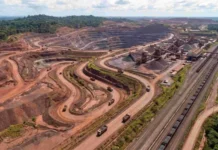
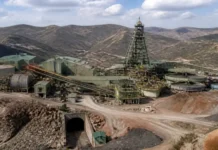
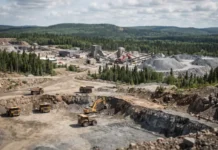
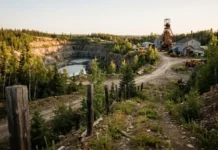
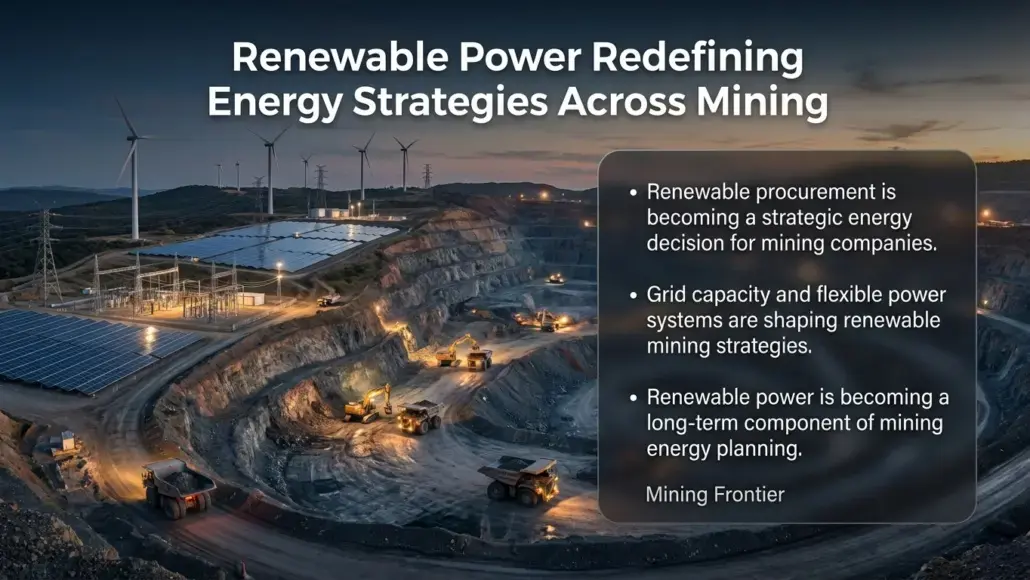

Mining companies are increasingly bringing renewable electricity into long-term power planning as they seek to lower emissions while preparing for changing energy requirements. Solar, wind and long-term Power Purchase Agreements (PPAs) are being used alongside existing grid supply and conventional generation, making electricity sourcing increasingly connected to mine development and operating strategy. For many operators, renewable power mining is moving beyond a standalone sustainability initiative toward a broader question of how future production will be powered.
The shift is also being shaped by electrification. As mines replace or supplement diesel-powered equipment with electric systems, electricity demand can rise even as direct fossil-fuel consumption falls. That makes the availability, reliability and carbon intensity of electricity increasingly important in long-term mine planning.
Renewable Procurement Becoming a Strategic Energy Decision
The emerging approach is not based on one renewable model. Companies are combining contracted electricity with physical generation and, in some cases, storage or supporting transmission infrastructure.
Renewable Power Strategies
- Long-term renewable PPAs
- On-site solar and wind generation
- Renewable generation paired with storage
- Hybrid renewable and conventional power systems
- Dedicated grid and transmission infrastructure
BHP’s BHP Mitsubishi Alliance (BMA) provides one example, with renewable PPAs matching 100% of its forecast electricity demand from FY2027. Gold Fields is taking a more physically integrated approach at St Ives, where a 42 MW wind farm and 35 MW solar plant are expected to supply 73% of the mine’s electricity.
These projects show how renewable power mining increasingly involves decisions about generation capacity, contracts and supporting infrastructure rather than electricity procurement alone.
Renewable Supply Changing Mine Planning Requirements
The strategic value of renewable generation depends on how closely supply can be aligned with mine demand. A large solar or wind project does not necessarily produce electricity when processing, pumping or other energy-intensive operations require it. As a result, mine planners increasingly have to consider the interaction between renewable availability, production demand and supporting power infrastructure.
Mine Planning Considerations
- Electricity demand and production profiles
- Renewable generation availability
- Grid and transmission capacity
- Storage and backup requirements
- Alignment with mine life and expansion plans
Fortescue’s Pilbara development illustrates the scale of this integration, with construction underway on a 690 MW solar farm and a 650 MWh Battery Energy Storage System (BESS) as part of its broader renewable energy system.
The growing complexity of these systems means renewable power mining increasingly depends on how electricity supply is managed against changing operational demand, bringing energy demand flexibility into the next stage of the discussion.
Renewable Power Requiring More Flexible Mine Energy Systems
The move toward renewable electricity does not remove the need for dependable power at mining operations. Instead, it changes how electricity supply has to be planned around production. Solar and wind output can vary, while mines often operate energy-intensive processes over long periods. This means renewable power mining increasingly depends on whether generation, grid connections, storage and operational demand can work together without compromising production.
The issue becomes more significant as mines electrify equipment and expand processing capacity. Additional electric loads can alter demand profiles, creating periods of high consumption that may not align with renewable generation. In such cases, the value of renewable capacity depends partly on the infrastructure available to move, store and manage that electricity.
Grid Capacity Becoming Part of Renewable Strategy
For larger renewable projects, the connection between generation and the mine can become as important as the generation asset itself. Transmission lines, substations and grid connections determine whether available electricity can be delivered at the required scale. Remote operations face a different challenge because renewable systems may need to operate alongside conventional generation where grid access is limited or unavailable.
Infrastructure Requirements
- Grid connection and transmission capacity
- Substations and power-conversion equipment
- Battery storage and balancing systems
- Backup generation
- Monitoring and control infrastructure
Fortescue’s Pilbara development illustrates this wider approach, combining a 690 MW solar farm with a 650 MWh Battery Energy Storage System (BESS) and broader transmission development. The project demonstrates how renewable power mining can involve an integrated energy network rather than an isolated renewable facility.
Storage and Contracts Shaping Power Security
Storage can help shift electricity from periods of high renewable generation toward periods of higher mine demand. The appropriate system depends on the duration of the imbalance, the mine’s load profile and the role of existing grid or conventional generation. Batteries can also provide another layer of flexibility by responding to short-term changes in supply and demand.
Contract structure matters as well. Long-term Power Purchase Agreements (PPAs) can give miners greater visibility over electricity supply and pricing, but the commercial value depends on contract duration, contracted volumes, generation profiles and the relationship between the agreement and future mine demand.
Power Strategy Considerations
- Storage duration and cycling requirements
- Renewable generation variability
- Mine load profile
- PPA structure and volume commitments
- Future electrification and mine expansion
For miners, the challenge is therefore not simply increasing the share of renewable electricity. Renewable power mining requires energy strategies that remain compatible with production requirements as the power mix becomes more variable and electricity demand evolves.
Renewable Power Becoming a Long-Term Mining Strategy
The expansion of renewable electricity across mining is increasingly tied to longer-term decisions about how operations will be powered as production requirements and electrification needs evolve. The examples examined across this article show that miners are using different combinations of renewable contracts, physical generation, storage and supporting infrastructure rather than following a single model.
The practical priorities increasingly include:
- Matching renewable supply with mine demand
- Building sufficient grid and transmission capacity
- Integrating storage where generation and demand do not align
- Aligning power investments with mine life and future expansion
The experience of BMA, St Ives and Fortescue also shows that renewable power mining cannot be evaluated through generation capacity alone. Its effectiveness depends on how renewable supply is integrated into the broader mine energy system, including reliability, infrastructure and future electricity demand.
References
- BHP – From mines to megawatts: BMA’s renewable power move – 2026.
- Gold Fields – Energy and climate change.
- Fortescue – Fortescue accelerates Real Zero with construction of 690MW solar farm and 650MWh battery energy storage system – 2026.
- Rio Tinto – Climate reporting – 2026.