



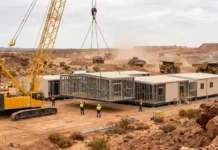








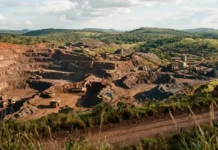
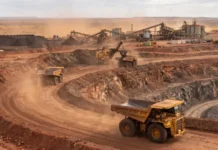
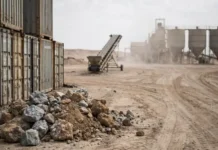
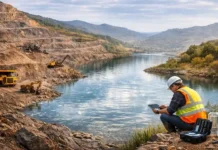
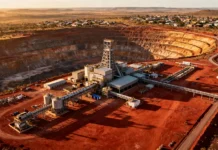
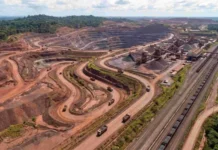
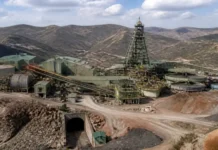
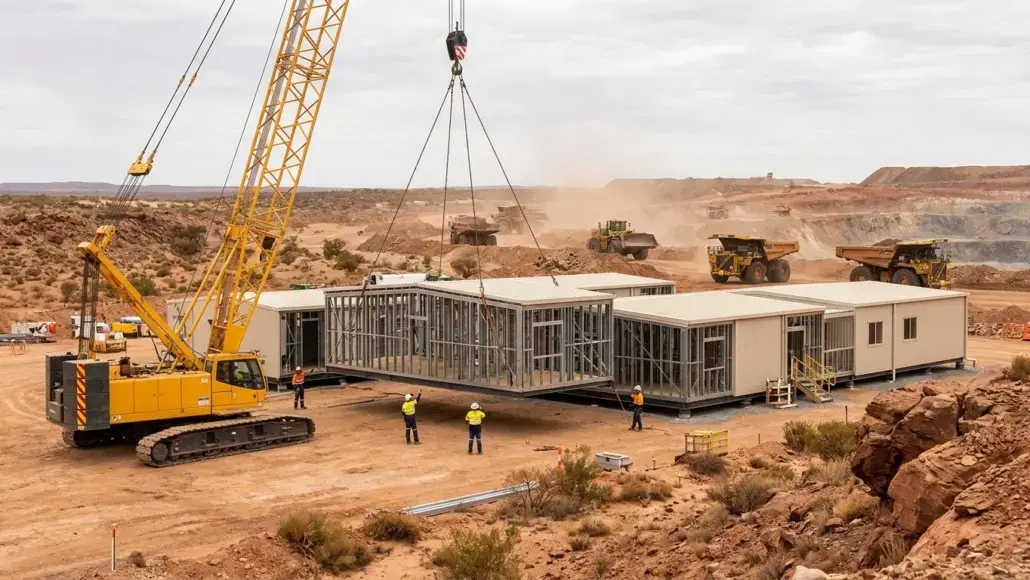

Excavation machines and processing plants are not the only things mining projects need. Businesses need to build roads, maintenance workshops, warehouses, administrative offices, processing facilities, and other essential infrastructure before they can start operating. Building structures in remote areas on time can be difficult. This has led to the development of prefabrication as a viable option, enabling mining companies to speed up project delivery while maintaining quality and safety standards.
Faster Project Timelines
In mining, time is an important factor. Each delay in infrastructure development can delay output and raise project expenses. Prefabricated construction tackles this issue by creating building parts in a controlled environment while the site is being prepared in parallel.
After foundations are set up, pre-engineered components can be quickly delivered and erected in less time overall. This concurrent operation enables the mining company to deliver a project that has strict timelines and would be delayed otherwise by bad weather or difficulty finding personnel at the project site.
Improved Quality and Consistency
Mining sites have to be built to last, to handle the harsh environment and operation for many years. The production of prefabricated building components takes place in a controlled environment, with standard manufacturing processes and quality control.
This way, you can deliver better dimensional accuracy, reduce construction mistakes, and guarantee consistency throughout the project. This also helps to minimize the chance of expensive changes or repairs after installation due to quality control issues.
Simplifying Construction in Remote Locations
The transport of construction materials, equipment, and workers in many mining operations is more complicated due to them being far from urban centres. The cost of labour and the complexity of the project can be increased by remote locations.
Prefabricated systems make logistics easier – fewer workers on site. In many instances, the structural elements come pre-assembled, reducing the need for site-based workers and thereby improving the construction process and reducing disruption.
Supporting Safer Construction Practices
Safety is one of the top concerns of the entire mining industry. In traditional construction, a lot of cutting, fabrication, and material handling operations are done on-site, creating more risks for workers.
Much of this work can be moved to more manageable working conditions in controlled manufacturing facilities through prefabrication. The reduction in weather exposure, heavy machinery movements, and other construction hazards is a typical benefit of on-site assembly.
Sustainability Benefits
Companies are increasingly committed to environmental responsibility in all phases of the project. Prefabricated construction is a way to ensure sustainability in various ways.
In addition to the benefits of fresher materials, parts produced in a controlled environment can be utilized in a more efficient manner, minimizing waste from standard construction practices. The fuel usage resulting from extended construction operations is also lower with shorter construction times. Also, a number of prefabricated building systems are configured for long-term energy efficiency, which will help reduce operating expenses once the project is finished.
Flexible Solutions for Modern Mining Infrastructure
Today’s mining developments demand a wide range of building types, such as processing support buildings, administration buildings, warehouses, laboratories, and equipment maintenance buildings. Such structures frequently must be flexible for future uses.
Based on solutions like RedBuilt prefabricated wall panels, engineered building systems can be implemented that facilitate efficient installation and provide reliable structural performance for industrial applications.
Digital Planning Enhances Efficiency
The combination of prefabrication and digital construction technologies is further improving project outcomes. For building designers—engineers, architects, and contractors—Building Information Modeling (BIM) allows them to coordinate designs before production even occurs.
This collaborative planning process helps minimize design conflicts, improve material accuracy, and simplify installation at the construction site. Digital coordination helps to streamline project execution for large mining projects with multiple stakeholders.
The Future of Mining Construction
Mining companies are still looking for methods of construction that offer a combination of speed, quality, safety, and cost efficiency. Prefabrication has been shown to be a very successful solution to achieve these goals and a proven way to ensure project delivery in challenging environments.
Prefabricated building systems have already proven to be valuable in many industries in the broader commercial construction market, and mining projects too are beginning to incorporate these methods. With evolving engineered construction solutions, it is anticipated that prefabrication will become an even more effective tool to help mining companies build long-term, effective, and sustainable infrastructure for future operations.