






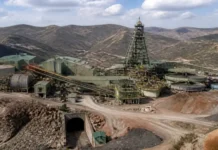
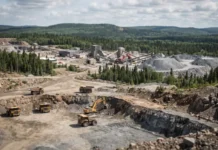
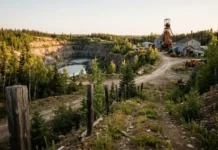
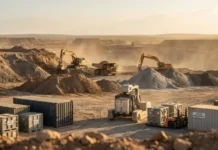

The global mining industry is under increasing pressure to bring new projects online more quickly to meet the rising demand for essential minerals. Traditional custom-built processing facilities often involve long lead times, high capital costs, and significant construction risks, particularly in remote or politically unstable regions. The adoption of modular processing plants has emerged as a practical solution to these challenges, offering a flexible and scalable alternative that can significantly reduce the time from discovery to production. By pre-assembling and testing components in a controlled factory environment, mining companies can minimize on-site construction requirements and accelerate project development. This analytical approach to infrastructure design is essential for improving the economic viability of smaller deposits and ensuring the long-term agility of the sector.
Engineering Advantages of Modular Infrastructure
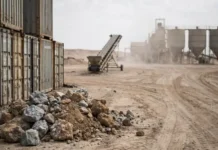
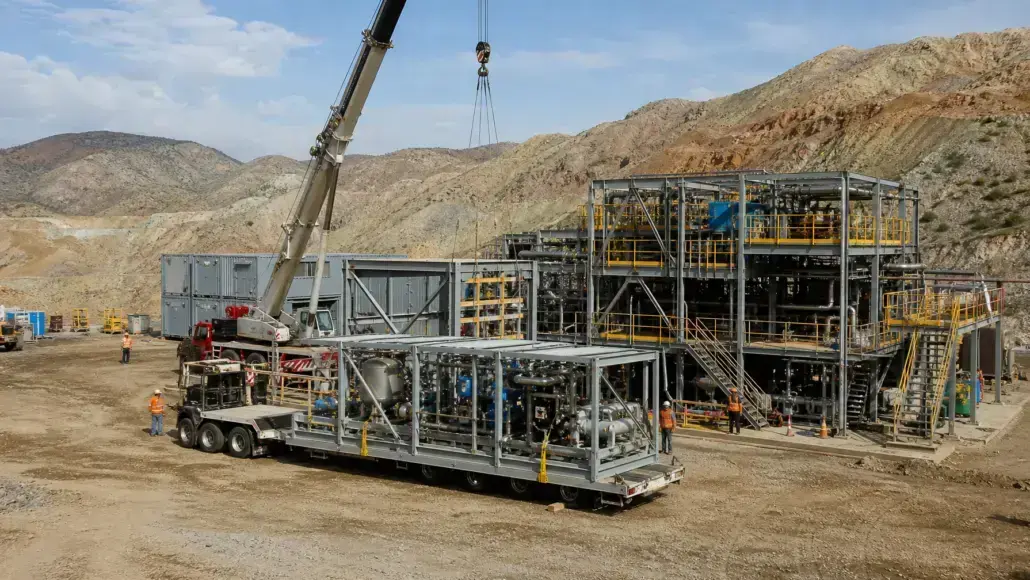
Modular processing plants are designed as a series of interconnected units that can be transported by road, rail, or ship and quickly assembled at the mine site. Each module contains a specific part of the processing circuit, such as crushing, grinding, flotation, or dewatering, and is equipped with its own structural support, piping, and electrical systems. This pre-engineered approach allows for a high level of standardization, which reduces the complexity of the design phase and minimizes the risk of engineering errors. The ability to test each module before it leaves the factory ensures that the components are fully operational and meet the required specifications, reducing the time needed for on-site commissioning. This high level of quality control is a major advantage for projects located in areas with limited access to skilled construction labor or specialized equipment.
The use of modular infrastructure also provides a significant level of flexibility for mining operators. These plants can be easily expanded or modified as the ore body evolves or as market conditions change. For instance, additional flotation cells or leaching tanks can be added to the circuit to increase capacity or improve recovery levels without the need for extensive site modifications. This scalability allows companies to start with a smaller initial investment and grow their operations in line with their cash flow and resource base. Additionally, the ability to relocate modular units to different project sites provides a powerful tool for managing the lifecycle of assets. When a deposit is exhausted, the processing plant can be disassembled and moved to a new location, significantly reducing the environmental impact and the cost of decommissioning. This modularity is a key component of the broader effort to build more resilient and adaptable mining projects.
Economic and Financial Implications for Project Development
One of the primary drivers for the adoption of modular processing plants is the significant reduction in capital intensity compared to traditional construction methods. By minimizing the time spent on-site, companies can lower their labor and logistical costs and reduce the impact of weather-related delays. The faster path to production also improves the net present value of the project, as revenue is generated earlier in the lifecycle. This improved financial profile is particularly important for junior mining companies or for projects located in regions with high capital risk. The ability to deploy a functional processing facility in a fraction of the time required for a traditional plant allows operators to capitalize on favorable market conditions and secure long-term off-take agreements more quickly.
The standardization of modular components also simplifies the procurement process and allows for more predictable maintenance costs. Many suppliers offer a range of pre-designed modules that can be tailored to specific mineral types and throughput requirements, reducing the need for expensive custom engineering. The availability of spare parts and the ease of replacing entire modules if necessary further enhance the operational reliability of the plant. This focus on cost control and efficiency is a central theme in the effort to improve the economic viability of mining projects in a volatile global market. In many cases, the integration of modular plants can also support the implementation of sensor-based ore sorting to reduce processing waste, as sorting units can be easily incorporated into the modular circuit. By aligning technical excellence with financial goals, mining companies can create a more competitive and sustainable production model.
Strategic Flexibility and Risk Mitigation
Operating in remote or challenging geographical locations involves a high level of risk, ranging from logistical bottlenecks to political instability. Modular processing plants offer a significant advantage in risk mitigation by reducing the amount of on-site construction and the number of personnel required during the development phase. This minimizes the footprint of the operation and reduces the complexity of managing a large construction workforce in isolated areas. The ability to pre-assemble components in a stable industrial environment ensures that the project remains on schedule and within budget, even when external conditions are unfavorable. This predictability is vital for securing project financing and maintaining the trust of investors and stakeholders.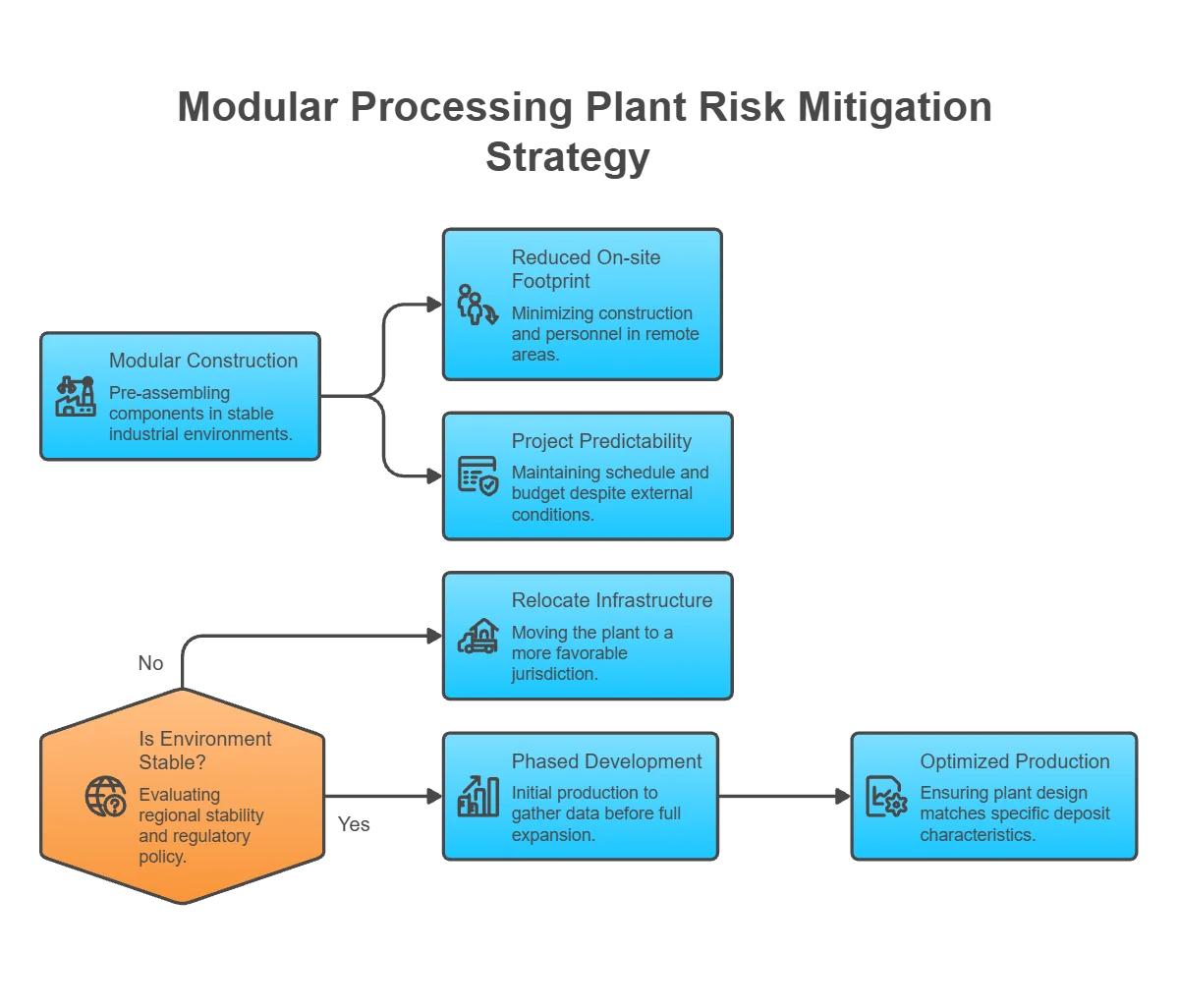 The mobility of modular infrastructure also provides a strategic hedge against regional instability or changes in regulatory policy. If the operational environment in one jurisdiction becomes untenable, the processing plant can be relocated to a more favorable location, protecting the company’s capital investment. This flexibility is increasingly important in a world where geopolitical shifts can impact the feasibility of long-term industrial projects. Additionally, the use of modular units allows for a more phased approach to project development, where initial production can be established quickly to generate data on the ore body’s performance before committing to a full-scale expansion. This data-driven approach reduces the risk of over-building and ensures that the processing plant is optimized for the specific characteristics of the deposit. By building a more agile and adaptable production base, mining companies can secure their industrial futures and respond more effectively to emerging market trends.
Environmental Stewardship and Sustainability
The adoption of modular processing plants also contributes to the overall sustainability of the mining industry by reducing the environmental impact of infrastructure development. Smaller on-site footprints and reduced construction times lead to less disruption to local ecosystems and lower levels of noise and dust pollution. The ability to recycle and reuse modular components across different projects aligns with the principles of the circular economy, reducing the demand for new raw materials and minimizing waste. Additionally, many modular plants are designed to be more energy and water-efficient, incorporating advanced recovery systems and automated control tools. This focus on resource efficiency is a key component of the social license to operate, particularly in regions with high environmental sensitivity.
The integration of modular units can also support the development of water-efficient processing for water-stressed mining regions by allowing for the rapid deployment of specialized treatment and recycling systems. By providing a flexible and scalable solution for water management, mining companies can reduce their environmental footprint and ensure the long-term viability of their operations. The ease of decommissioning modular plants further reduces the long-term liabilities associated with mine closure, as the site can be returned to its original state more quickly and cost-effectively. As the industry continues to move toward more responsible and transparent production models, the role of modular infrastructure will only increase. The ability to effectively combine technical innovation with environmental protection is a defining characteristic of the most successful mining companies. This holistic approach ensures that the sector can continue to provide the raw materials needed for modern society in a sustainable and responsible manner.
Future Trends and Technological Integration
The evolution of modular processing technology is being driven by advancements in digital integration, automated manufacturing, and chemical engineering. Future modular plants will increasingly feature high levels of automation and real-time monitoring, allowing for remote operation and proactive maintenance. The use of digital twins and simulation modeling will enable operators to optimize the performance of the modular circuit and test new process configurations in a virtual environment. These digital capabilities will provide a more detailed view of the plant’s performance, allowing for continuous improvement in productivity and recovery. Additionally, the development of more compact and high-capacity modules will open new possibilities for large-scale operations and for the processing of more complex mineral suites.
The integration of advanced separation technologies into the modular framework is also a major area of innovation. For instance, the use of rare earth separation technologies and the push for diversified refining capacity can be supported by the deployment of specialized modular units at mine sites or regional hubs. This would allow for the localized production of high-purity materials, reducing the need for extensive haulage and traditional smelting. By building a more distributed and flexible refining base, the global community can ensure a stable supply of critical minerals for the energy transition. The continued focus on modular infrastructure will remain a priority for the mining industry for decades to come as companies seek out more efficient and adaptable ways to bring new projects online. This ongoing challenge serves as a reminder of the importance of technical excellence and strategic planning in building a resilient and sustainable mineral economy. The ability to effectively combine modular design with cutting-edge processing technology will be a key differentiator for successful mining operations in the future.