




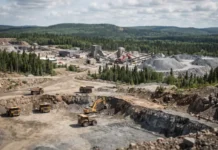
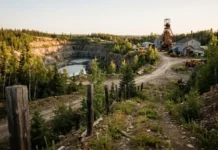
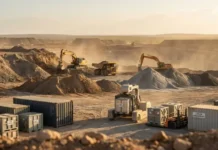

Geological knowledge grows layer by layer much like a canyon shaped by wind and rain. Every new survey every field note and every research paper adds depth to the picture. Resource mapping depends on this steady flow of information. Better data leads to clearer models and more precise decisions. In many ways modern geology works like a giant puzzle where each piece matters.
Researchers often rely on broad collections of scientific material during long periods of study. In this space Z library distinguishes itself by combining quality and variety in one platform while supporting access to geological reports academic discussions and technical analysis. The value of an e-library becomes clear when mapping teams compare old assumptions with new discoveries. A single paper can shift the understanding of mineral zones groundwater movement or soil behavior.
Geological Research Shapes Better Resource Mapping
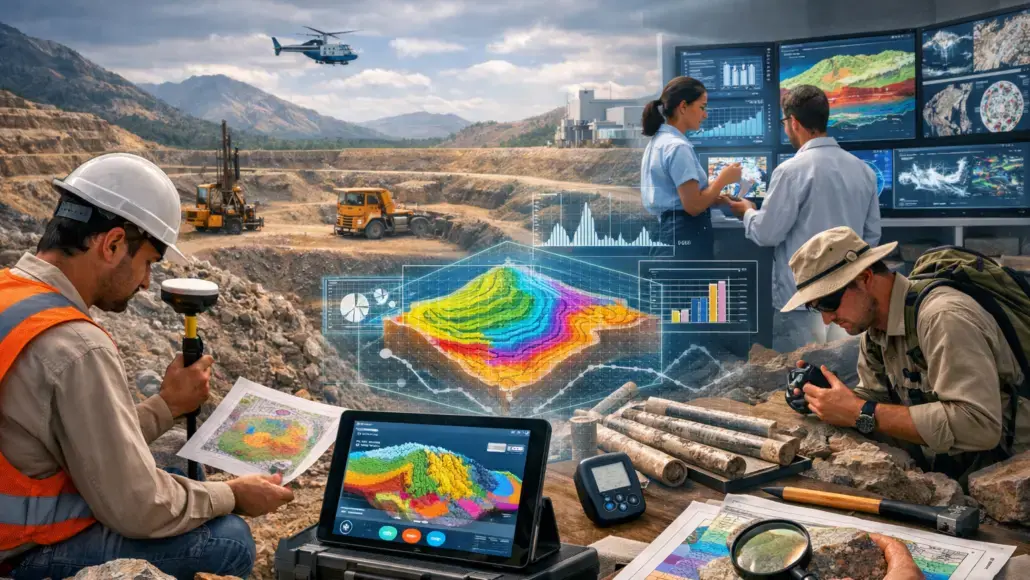
Geologists study more than rocks and minerals. They study patterns hidden beneath the ground. Satellite images drilling records and seismic readings all connect through interpretation. Resource mapping turns raw information into practical direction. Energy firms environmental teams and city planners all depend on accurate geological models.
The process has changed over time. Old paper maps once sat in dusty drawers like forgotten treasure chests. Modern systems move faster and cover wider regions. Digital archives support this progress by preserving decades of geological work. An e-library gives researchers room to compare theories from different eras without wasting time searching through scattered sources.
The shift toward broader access has also changed how teams collaborate across borders. A geologist in one country may compare findings with researchers thousands of miles away. Shared information creates a stronger foundation for mapping projects. It also reduces repeated mistakes and weak assumptions that once slowed development.
This progress rests on several important factors:
-
Expanding Historical Records.
Older geological surveys still hold value today. Many regions were studied long before advanced equipment existed. Those reports contain observations gathered directly from the field. Modern scientists often revisit them to compare changes across decades. Resource mapping improves when past and present knowledge stand side by side. It is a bit like reading tree rings during a dry season. Every layer tells part of the story and no layer works alone.
-
Faster Access To Scientific Material.
Research moves quickly when information stays easy to reach. Teams working under tight deadlines need direct access to technical papers and environmental studies. An e-library shortens the distance between discovery and application. Instead of spending weeks tracking printed archives researchers can focus on analysis and interpretation. This speed matters in projects involving mining water systems and land management where timing often shapes financial and environmental outcomes.
-
Cross Discipline Collaboration.
Geology rarely works in isolation. Engineers climate experts and urban planners often rely on the same body of research. Shared access encourages stronger communication between fields. A groundwater study may guide agricultural planning while mineral mapping may support energy projects. Knowledge flows between sectors like rivers joining a larger stream. Resource mapping becomes more reliable when experts build from a common base of information.
The connection between geological knowledge and mapping accuracy continues to grow stronger. Better understanding creates sharper models and fewer blind spots. An e-library supports this chain by keeping scientific material within reach of researchers across the world.
Knowledge Networks Support Long Term Discovery
Resource mapping is never frozen in time. Landscapes change and scientific methods evolve. New discoveries often reshape old conclusions. A region once ignored may later reveal important mineral deposits or water reserves. This constant movement keeps geology alive and practical.
Access to wide collections of research strengthens that process. Information spreads through networks much like roots spreading beneath a forest floor. Quiet connections beneath the surface often hold the greatest strength. Geological progress follows the same rhythm. Each study supports another and each new insight sharpens the map a little more.