

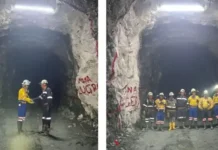
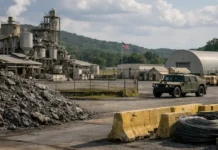

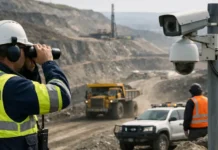






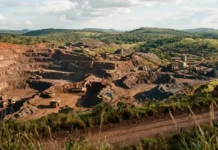
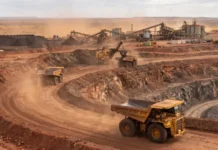
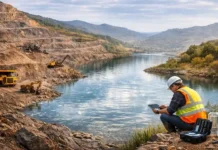
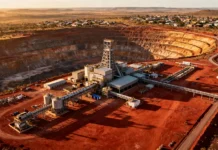
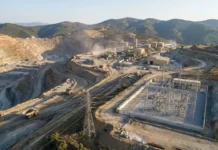
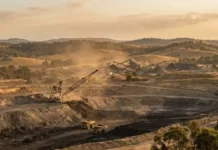
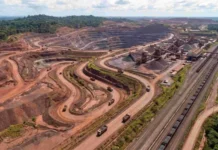
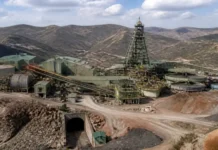
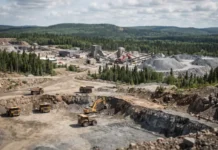
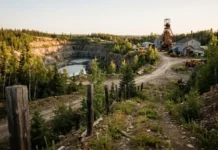
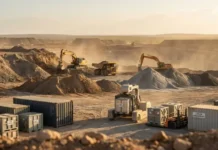
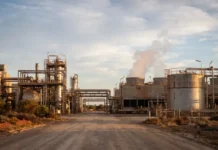

The traditional image of the mining industry one of heavy machinery and manual labor in remote, harsh environments is being rapidly replaced by a new reality: the data-driven, connected, and autonomous mine. For copper operations, which are increasingly dealing with the challenges of declining ore grades and greater extraction depths, the integration of digital mining technologies is no longer an optional upgrade; it is a fundamental requirement for operational survival and growth. This digital transformation is touching every aspect of the mining value chain, from the initial geological survey and mine planning to the complex chemical processes of the refinery. By leveraging artificial intelligence (AI), the Internet of Things (IoT), and high-speed connectivity, the copper industry is redefining what it means to be efficient, safe, and sustainable in the twenty-first century.
The Foundation of Connected Mining and Real-Time Visibility
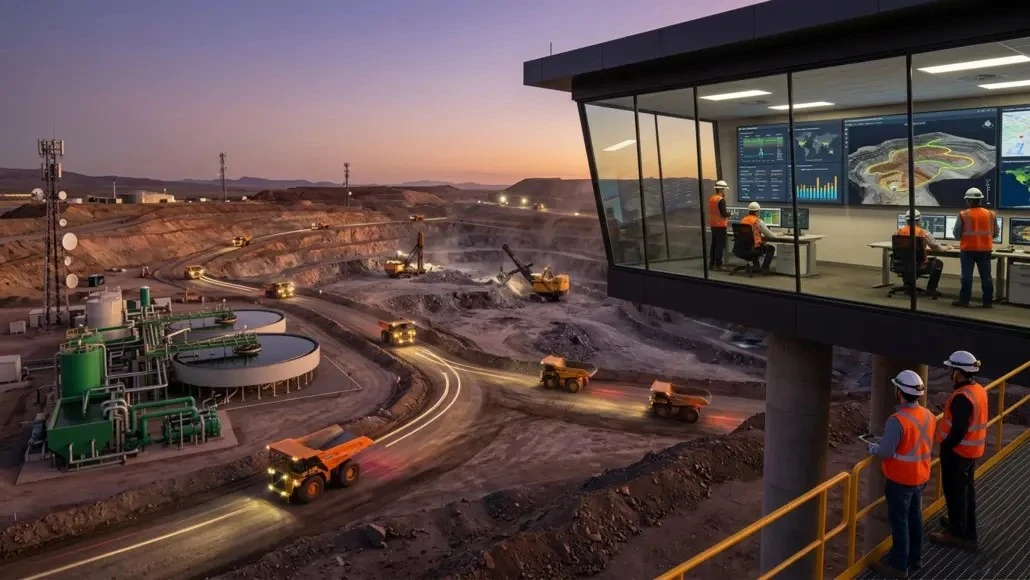
The cornerstone of digital transformation mining is the creation of a seamless, high-bandwidth communication network across the entire mine site. Historically, mines operated in “silos,” with different departments and pieces of equipment functioning independently. Today, the implementation of 5G, private LTE networks, and low-earth-orbit satellite technology is enabling a “connected mining” environment where every sensor, vehicle, and worker is part of a single, integrated ecosystem. This pervasive connectivity provides managers with real-time visibility into every aspect of the operation, allowing them to monitor the location of assets, the health of machinery, and the safety of personnel from a central remote operations center (ROC).
This real-time data stream is the lifeblood of smart mining. By collecting millions of data points every day, mining companies can identify bottlenecks and inefficiencies that were previously invisible. For example, in a large open-pit copper mine, the “connected mining” system can track the exact cycle time of every haul truck, identifying where delays are occurring and allowing for instant dispatch adjustments. This level of granular control leads to a more fluid and predictable operation, reducing the “dead time” of equipment and maximizing the throughput of the entire mine. As connectivity continues to improve, the ability to integrate remote sensors in even the deepest and most remote parts of the mine will further enhance this visibility.
Autonomous Systems and the Future of Mining Automation
Perhaps the most visible and impactful of all digital mining technologies is the rise of autonomous systems. In major copper-producing regions like Australia and Chile, massive autonomous haulage systems (AHS) are now the standard for large-scale operations. These multi-million-dollar trucks operate without drivers, using a combination of high-precision GPS, LIDAR, and radar to navigate the mine site with centimeter-level accuracy. The benefits of this type of mining automation are manifold: it eliminates the human risk associated with operating heavy machinery in hazardous environments, it reduces fuel consumption through optimized driving, and it allows for constant operation without the need for shift changes or breaks.
Beyond haulage, the industry is seeing the rapid adoption of autonomous drilling and loading systems. Autonomous drills can execute complex blast patterns with a level of precision that exceeds the capabilities of even the most experienced human operators. This leads to better fragmentation of the rock, which in turn reduces the energy required in the downstream crushing and grinding circuits. In underground copper mines, tele-remote and autonomous loaders allow operators to control machinery from a safe, air-conditioned office on the surface, significantly improving both safety and worker comfort. This shift toward a fully autonomous “fleet of the future” is a core component of digital transformation mining, as it enables a level of consistency and productivity that was previously unattainable.
Artificial Intelligence and Advanced Mining Analytics
While the physical work is increasingly being done by autonomous machines, the cognitive work of mining is being transformed by artificial intelligence and mining analytics. AI in mining is used to process the vast amounts of data generated by the connected mining ecosystem, turning raw numbers into actionable insights. One of the most powerful applications of this technology is predictive maintenance. By analyzing vibration, heat, and oil samples from a piece of equipment, AI algorithms can identify the subtle patterns that precede a mechanical failure. This allows maintenance teams to intervene before a breakdown occurs, preventing costly unplanned downtime and extending the life of multi-million-dollar assets.
AI is also revolutionizing mineral processing and resource estimation. Machine learning models can analyze geological data to create more accurate 3D models of the ore body, helping mine planners to target the most valuable mineral zones with greater precision. In the processing plant, AI-driven control systems can optimize the flotation circuit in real-time, adjusting chemical dosages and air flow based on the mineralogical characteristics of the incoming ore. This level of “smart mining” optimization can lead to a significant increase in recovery rates, directly impacting the mine’s bottom line. As AI becomes more sophisticated, its ability to manage the complex trade-offs between energy use, water consumption, and mineral output will be essential for the long-term sustainability of copper operations.
Enhancing Safety and Sustainability Through Digital Innovation
The primary driver for the adoption of digital mining technologies is often productivity, but the impact on safety and sustainability is equally profound. By removing humans from the most dangerous areas of the mine—the “active face” of an open pit or the deep headings of an underground tunnel—and replacing them with autonomous machines, the industry is drastically reducing the risk of workplace accidents. Furthermore, digital tools like wearable sensors and collision-avoidance systems provide an extra layer of protection for those who must still work on-site, ensuring that the location of every person and vehicle is known at all times.
In terms of sustainability, digital transformation mining is helping the industry to reduce its environmental footprint. Smart energy management systems can optimize the power draw of massive grinding mills, while automated ventilation-on-demand (VoD) systems in underground mines can reduce energy consumption by up to fifty percent. Digital mining technologies also allow for more precise water management, tracking every drop used in the processing plant and identifying areas for recycling and reuse. This data-driven approach to resource management is essential for maintaining the industry’s social license to operate in an era where environmental stewardship is a top priority for investors and communities alike.
The Role of Digital Twins in Strategic Mine Planning
A critical tool in the smart mining arsenal is the “Digital Twin” a virtual, dynamic replica of the physical mine and its processes. By integrating geological data, equipment performance metrics, and real-time operational data, a Digital Twin allows mine planners to run thousands of “what-if” simulations in a risk-free virtual environment. They can test the impact of a new mine design, a change in the haulage route, or the introduction of a new processing technology before a single dollar is spent on-site. This allows for a level of strategic optimization that was historically impossible.
Digital Twins are also being used for the training and upskilling of the workforce. New operators can learn to manage complex autonomous systems or processing plants in a virtual environment that perfectly mimics their actual workplace. This not only speeds up the learning curve but also ensures that employees are familiar with all safety protocols and site-specific procedures. As copper operations become more technologically complex, the ability to visualize, simulate, and train in a virtual space is becoming an indispensable part of digital mining technologies. The Digital Twin is, in effect, the “brain” of the modern smart mining operation, coordinating the physical and digital worlds into a single, optimized system.
Overcoming the Challenges of Digital Transformation Mining
Despite the clear and compelling benefits, the transition to a fully digital mining operation is a complex and challenging journey. One of the primary hurdles is the significant capital investment required to build the necessary infrastructure and acquire advanced technology. For many mid-tier mining companies, the cost of digital transformation can be a major barrier. However, the long-term return on investment (ROI) driven by increased productivity, lower maintenance costs, and improved safety is increasingly making the case for these investments undeniable.
Another significant challenge is the “human element” of digital transformation. The shift toward automation and AI requires a fundamentally different set of skills from the mining workforce. Companies must invest heavily in retraining and upskilling their employees, moving them from manual roles to high-tech positions such as data analysts, remote operators, and systems engineers. Furthermore, there is often a cultural resistance to change within the organization, which must be managed through clear communication and strong leadership. Cybersecurity is also a growing concern, as the increased connectivity of mines makes them potential targets for cyber-attacks. Protecting the digital mining infrastructure is now a top priority for the industry’s IT and operations departments.
Future Horizons: The Intelligent and Integrated Mine
As we look toward the future, the integration of digital mining technologies will continue to deepen, leading to the creation of truly “intelligent” mines. These operations will not only be autonomous but will also be self-optimizing, using advanced AI to sense and respond to changes in the environment, the ore body, and the global market in real-time. We are moving toward a future where the entire mining value chain from exploration to the final product delivery is part of a single, digital thread. This level of integration will allow for unprecedented levels of efficiency and will be essential for unlocking the world’s most difficult and remote copper deposits.
Ultimately, digital transformation mining is about more than just technology; it is about a fundamental shift in the industry’s mindset. By embracing the power of data, connectivity, and automation, the copper industry is evolving into a high-tech sector that is capable of meeting the world’s growing needs for critical minerals in a safe and sustainable way. This transformation is not only good for the mining companies and their shareholders; it is essential for the global community as we work toward a more electrified and sustainable future. The digital mine is no longer a vision of the future; it is the engine of the modern copper industry.