










Key Takeaways
- Tailings reprocessing using advanced flotation and leaching techniques recovers valuable metals from mining waste, generating additional revenue while reducing storage requirements
- Mining waste circular recycling reduces environmental impact by eliminating 10% of tailings generation globally while simultaneously creating value from previously discarded materials
- Tailings converted into construction aggregates, bricks, and building materials address construction industry demand for sand and materials while eliminating disposal challenges
- Mineral recovery from waste streams—including rare earth elements and critical minerals—supports supply chain security for clean energy and advanced manufacturing sectors
- Water treatment technologies applied to mining waste create potential for water reuse in arid regions and reduction of environmental contamination
- Paste and thickened tailings technologies enable more efficient storage and future reprocessing compared to traditional slurry tailings management approaches
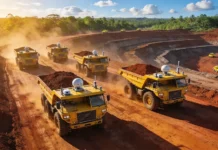
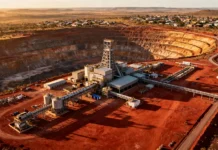
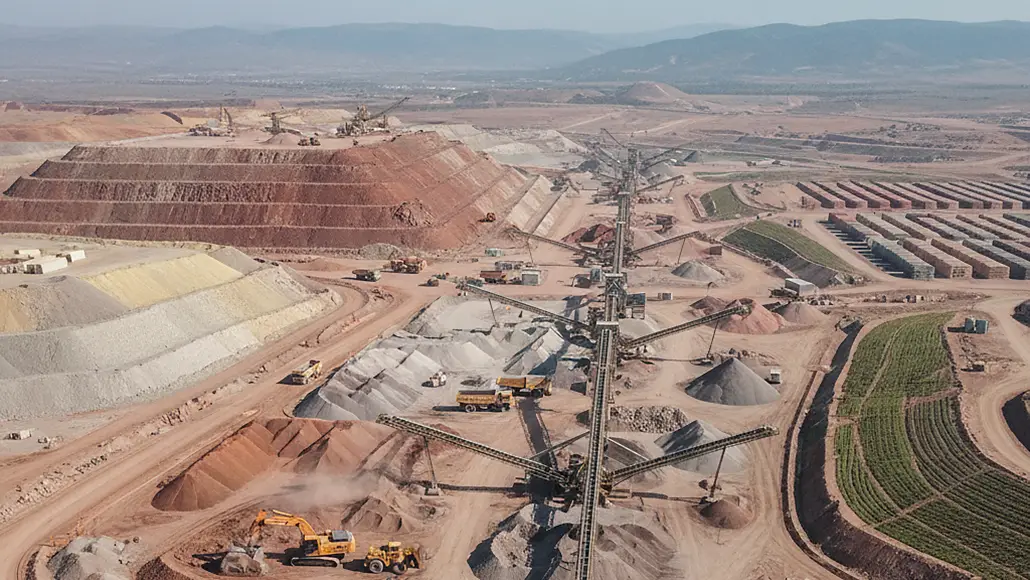
Mining operations generate enormous quantities of waste material as inevitable consequences of mineral extraction and processing. To extract valuable ore deposits, mining companies remove substantial volumes of overlying rock and low-grade material. These waste rock materials must be managed responsibly throughout mining operations and post-closure. Similarly, mineral processing creates tailings—fine-grained waste material remaining after valuable minerals are extracted. Modern mines generate tailings volumes that often exceed ore processed. A mine extracting one million tonnes of ore annually might generate tailings streams of similar or greater volume.
Historically, mining companies managed these waste streams as disposal problems. Waste rock accumulated in dump sites covering vast land areas. Tailings were stored in impoundments that required perpetual management. These approaches created environmental liabilities, occupied valuable land, required ongoing management costs, and posed risks of dam failure or contaminant release. The linear economy approach—extract, process, dispose—treated mining waste as economically valueless material to be managed at lowest cost.
Circular economy principles applied to mining fundamentally reframe waste materials as underutilized resources. Technologies that have advanced in recent decades enable valuable metal and mineral recovery from materials previously considered worthless. Construction industries worldwide face shortages of natural sand and aggregates. Industrial processes require materials that can be produced from mining waste. These opportunities create business models where mining waste becomes a valuable product, generating revenue rather than consuming management resources.
Tailings Reprocessing and Mineral Recovery Techniques
Tailings contain mineral particles that escaped recovery during initial processing. As mineral processing technology has advanced, recovery efficiency has improved, but some valuable minerals remain in tailings. These tailings represent a resource base for additional value extraction. With appropriate reprocessing technology, minerals and metals can be recovered from tailings, generating revenue and reducing the volume of material requiring long-term storage.
Flotation represents one of the most important tailings reprocessing techniques. The flotation process separates minerals based on differential flotation properties. During initial processing, flotation achieves recovery rates optimized for primary economic value. However, less valuable minerals or minerals recovered in smaller quantities might be abandoned in tailings. By applying flotation to tailings with adjusted reagent chemistry and operating parameters, tailings reprocessing operations recover previously abandoned minerals. Flotation of copper tailings might recover copper minerals left in the tailings stream. Gold mines reprocessing tailings might recover fine gold particles that escaped initial recovery. These mineral recoveries generate revenue that offsets reprocessing costs.
Hydrometallurgical approaches including leaching enable recovery of metals from tailings containing minerals that resist flotation recovery. Acid or cyanide leaching dissolves minerals, releasing metals into solution where they can be recovered through downstream processes. These chemical extraction approaches work effectively for many metals including precious metals, copper, nickel, and cobalt. However, environmental considerations require careful design of leaching operations to prevent contamination and manage hazardous chemicals responsibly.
Modern mines increasingly implement tailings reprocessing as standard practice rather than one-time opportunity. Rather than accepting some mineral loss in initial processing, operations design workflows that capture primary values during initial processing then systematically reprocess tailings to recover secondary values. This dual-recovery approach maximizes value extraction from ore and reduces tailings volumes that must be stored.
Recovery of critical minerals and rare earth elements from tailings addresses growing strategic concerns. Clean energy transitions, advanced manufacturing, and defense technologies depend on critical minerals that concentrate geographically and face supply constraints. Mining tailings often contain significant quantities of critical minerals that did not justify recovery when mines processed only primary minerals. As critical mineral prices have risen, reprocessing tailings for these elements has become economically viable. This tailings reprocessing supports supply diversification for critical minerals.
Tailings Repurposing for Construction and Industrial Applications
Beyond mineral recovery, tailings can be repurposed directly as construction materials and industrial inputs. Construction industries require enormous quantities of aggregates for concrete, sand for mortars, and materials for road bases. Natural sand extraction—particularly in tropical and coastal regions—creates environmental damage and has become politically contentious. Processed tailings can provide substitute materials that reduce pressure on natural deposits.
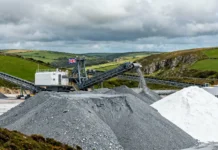
Tailings from granite and limestone mining contain material suitable for road aggregate after appropriate sizing and processing. Road construction projects, particularly in developing regions, require substantial volumes of material. By substituting processed tailings for quarried materials, road projects reduce environmental impact of aggregate extraction while utilizing mining waste. This approach addresses regional infrastructure needs while eliminating disposal challenges for mining waste.
Building brick and block manufacturing represents another significant use for mining tailings. Tailings containing clay minerals can be processed, fired, and converted into bricks suitable for construction. Some mining operations have implemented integrated brick manufacturing using tailings, creating products sold to regional markets. This vertical integration—mine waste reprocessing into saleable construction products—creates economic value chains where mining waste becomes a raw material input.
Concrete production consumes enormous material volumes globally. Some concrete formulations can incorporate processed tailings as sand component or aggregate replacement. Industrial cement kiln operations can consume tailings containing minerals like clay and silica. These industrial applications consume material volumes that offset disposal costs while supporting mainstream industries.
The economic sustainability of tailings repurposing depends on proximity to markets. Tailings repurposing works well when construction markets locate near mining operations, reducing transportation costs that might make substituting processed tailings uneconomical compared to locally sourced materials. Mining companies in regions with strong construction activity, infrastructure development, and sand scarcity have greatest success with tailings repurposing economics.
Water Management and Reuse Opportunities
Mining operations consume substantial water quantities and generate significant water streams that require treatment before release. Tailings management requires water management as tailings storage facilities contain significant water quantities. Advanced water treatment technologies applied to mining waste water enable reuse opportunities particularly valuable in arid or semi-arid mining regions.
Water-intensive mineral processing generates contaminated wastewater containing dissolved minerals and chemical residues from processing. Traditional treatment approaches remove contaminants then release water to receiving environments. Alternative approaches treat mining water to reuse standards, enabling recycling into process water demands. In arid regions where water scarcity limits mining expansion, water recycling becomes essential for sustainable operations.
Tailings storage facilities contain water that might be recovered and treated for reuse. Thickened and paste tailings technologies that reduce water content enable water recovery from tailings storage. Water recovered from tailings storage can be treated and recycled back to processing circuits. This cycle reduces freshwater demands, essential for mining operations in water-scarce regions.
Agricultural water reuse represents an emerging opportunity for mining regions. Water treatment standards suitable for crop irrigation are less stringent than drinking water standards. Treated mining water meeting agricultural standards could support agricultural development in mining regions, particularly valuable in areas where agricultural productivity is limited by water availability. Mining companies in appropriate regions have begun developing water provision to agricultural users as part of broader community development initiatives.
Advanced Tailings Storage and Future Recovery Technologies
Traditional tailings storage as slurry impoundments presents challenges for future reprocessing. Slurry tailings remain wet, making future extraction difficult and requiring perpetual water management. Advanced tailings technologies including paste and thickened tailings offer advantages for future resource recovery.
Paste and thickened tailings involve dewatering processes that increase solid content while maintaining pumpability for transport. These tailings storage approaches result in denser deposits that can be stacked more efficiently, occupy less land area, and remain more stable geologically. Beyond these immediate benefits, thickened and paste tailings provide better conditions for future reprocessing. The increased solid content and reduced water content make future recovery activities more practical and economical.
Cemented backfill represents another advanced approach with circular economy benefits. Waste rock combined with binding agents creates material suitable for underground backfill—filling mined voids underground rather than surface disposal. This approach eliminates waste rock dumps while providing structural support for underground mining operations. In some cases, carefully selected waste rock can be backfilled underground, reducing surface disturbance while enabling subsurface void management.
Tailings Storage Facility Innovation and Safety
Long-term storage facility integrity remains a critical consideration for mining operations and communities. Tailings storage facility failures create environmental disasters and human safety risks. Modern tailings storage facility design incorporates features that improve safety, reduce environmental risk, and enable future resource recovery.
Multi-compartment facility design enables staged tailings storage, allowing older, more consolidated tailings to be reprocessed while newer tailings accumulate in separate areas. This approach enables systematic tailings reprocessing while maintaining facility operations. Sequential filling using compacted lifts improves consolidation and long-term stability compared to continuous slurry filling approaches.
Environmental monitoring systems integrated into tailings storage facilities provide early warning if seepage or stability issues develop. Remote sensing, groundwater monitoring, and facility instrumentation provide data supporting proactive facility management. These monitoring systems reduce risk of catastrophic failures while detecting environmental impacts that might require remediation.
Implementation Challenges and Success Factors
Successful mining waste circular recycling programs require careful project planning and economic analysis. Reprocessing projects consume capital for equipment and facilities. Market conditions must support recovered materials pricing that justifies reprocessing costs. Regulatory requirements for waste processing and water discharge influence project viability.
Location and geography strongly influence tailings repurposing viability. Mines near construction markets, in water-scarce regions, or with specific mineral compositions in tailings have better opportunities for profitable waste recycling. Mines in remote locations with limited markets for repurposed materials might find disposal to be more economic than repurposing attempts.
Technology selection must match specific characteristics of tailings or waste rock being processed. Different waste compositions require different recovery or reprocessing approaches. Flotation works for some minerals but not others. Chemical leaching enables recovery of metals resistant to flotation but requires careful environmental management. Construction material production requires appropriate tailings composition. Technical feasibility assessment must precede investment decisions.
Environmental and social license considerations increasingly influence mining waste decisions. Stakeholder communities expect mining companies to address environmental impacts from waste management. Demonstrated circular economy approaches that recover value from waste generate community support and improve social license. Mining companies developing strong waste recycling programs enhance operational sustainability and social acceptance.
Global Examples and Lessons
Mining companies worldwide have demonstrated successful tailings reprocessing and waste recycling programs. Large iron ore operations have developed ore-sand recovery from tailings, creating construction materials used in local building industries. Copper mines have systematized tailings flotation, recovering significant copper quantities from legacy tailings. Gold mining operations have perfected fine gold recovery from historical tailings, achieving economically viable secondary production.
Australia has pioneered conversion of mining tailings into industrial bricks and construction materials, addressing both waste management and construction material shortages. Canadian mining operations have focused on critical mineral recovery from tailings, supporting supply diversification for elements essential to clean energy technologies. These international examples provide models and technical approaches applicable across mining regions.
Future Directions in Mining Waste Circular Economy
Technology advancement will enable increasingly valuable recovery from mining waste. Improved separation and recovery technologies will identify and extract materials currently abandoned in waste. Bioprocessing and bioleaching techniques will enable recovery of metals resistant to conventional processing. Artificial intelligence-based mineral sorting will identify and separate valuable particles in waste streams, improving recovery efficiency.
Market development for secondary minerals and recovered materials will improve economics of waste recycling. As sustainability considerations influence construction material sourcing, demand for tailings-derived aggregates and construction materials will grow. Critical mineral supply constraints will maintain premium pricing for recovered elements from waste sources. These market dynamics will make waste recycling progressively more economically attractive.
Integrated mining operations will combine extraction, processing, reprocessing, and repurposing into coordinated systems. Rather than treating waste as separate problem from primary mining, operations will design comprehensive workflows maximizing value extraction throughout mineral material processing. These integrated approaches will optimize economic returns while minimizing environmental impact and demonstrating circular economy principles in practice.