
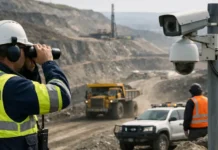
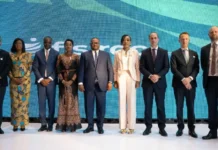



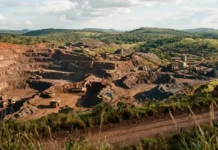
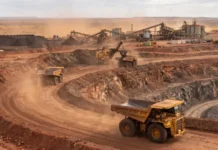
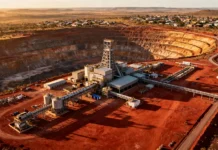
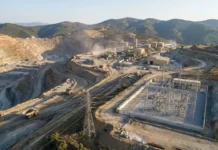
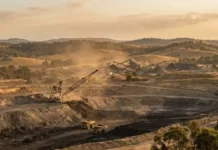
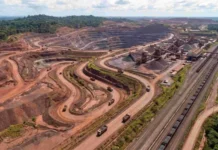
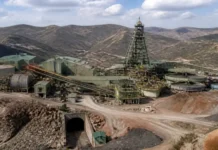
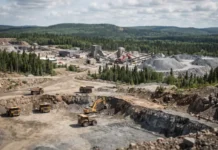
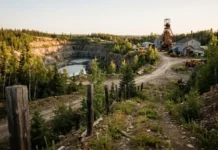
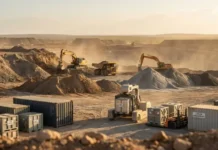
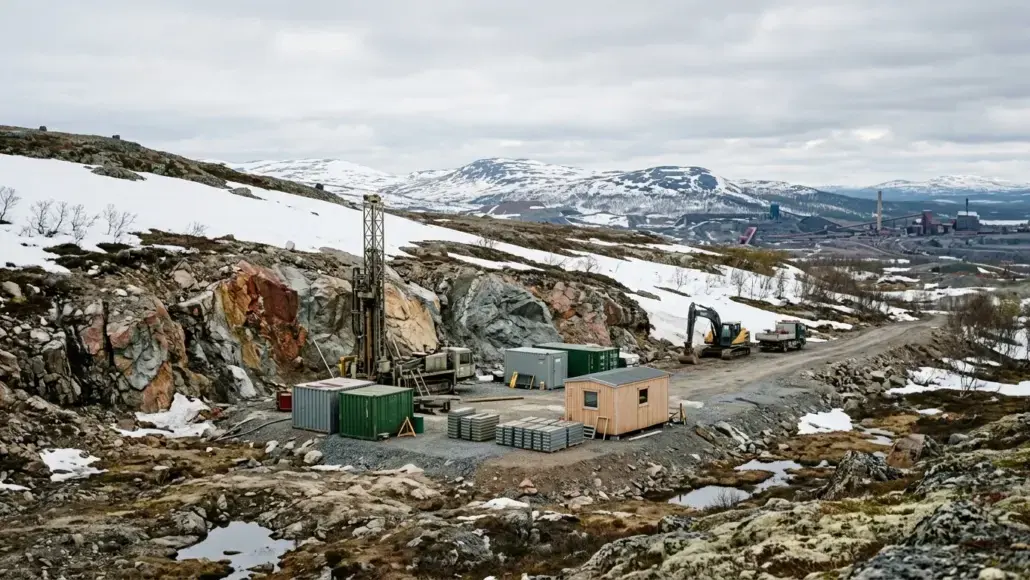

Sweden announced plans to boost the Sweden mining sector, specifically targeting rare earth minerals to counter European dependence on China. Sweden already hosts Europe’s largest iron ore mine in Kiruna, located in the Arctic Circle, where significant rare earth minerals have been discovered. These resources are necessary for renewable energy, electric vehicles, defense, and computer manufacturing. Currently, China controls approximately 70% of global mining and refining.
National Security and Critical Metals
The government declared the extraction of critical metals and rare earth minerals a national security interest. Energy Minister Ebba Busch stated this designation aims to accelerate permit processes for new mining projects and attract investments. Despite its mineral wealth, only 1% of global mining investment currently reaches the Sweden mining sector.
Busch highlighted that developing these resources contributes to the defense capabilities of Sweden, the EU, and NATO, describing European reliance on China as a systemic risk. The government is also exploring the creation of a state-owned investment company to support the industry and accelerate strategic mining projects.
Historical Context and Iron Ore Deposits
Sweden has a long history in mining, dating back to the 10th century with the Falun copper mine. Today, the country holds about 60% of Europe’s known iron ore deposits and accounts for roughly 90% of the continent’s iron ore extraction. The LKAB mine in Kiruna alone produces about one-third of this output. The scale of the operation has required the relocation of homes and buildings in Kiruna due to subsidence.
Navigating Land Rights and Expansion
More than 90% of Swedish mines are located in the Norrland region in Sapmi, the traditional territory of the Sami indigenous people. The expansion of mining projects to access critical metals and iron ore deposits has created tension, as the Sami express concerns over impacts on their reindeer-herding lifestyle. Near Kiruna, the Per Geijer find contains an estimated 1.2 billion tons of mineral resources, including 2.2 million tons of rare earth oxides. LKAB is evaluating the deposit, though securing permits on Sami land could take up to 10 years. Currently, four of the EU’s 47 strategic projects designed to reduce mineral dependence on China are based in Sweden.