

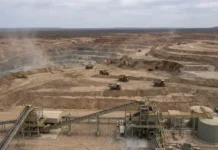
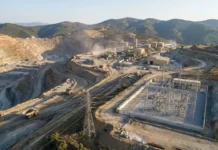
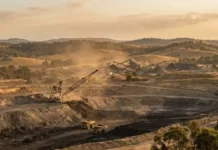




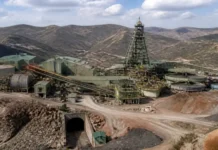
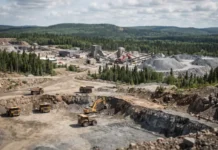
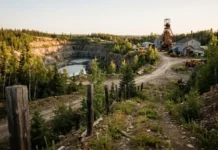
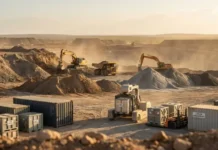
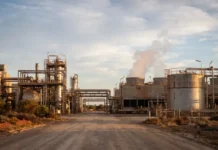
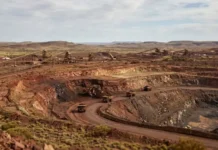
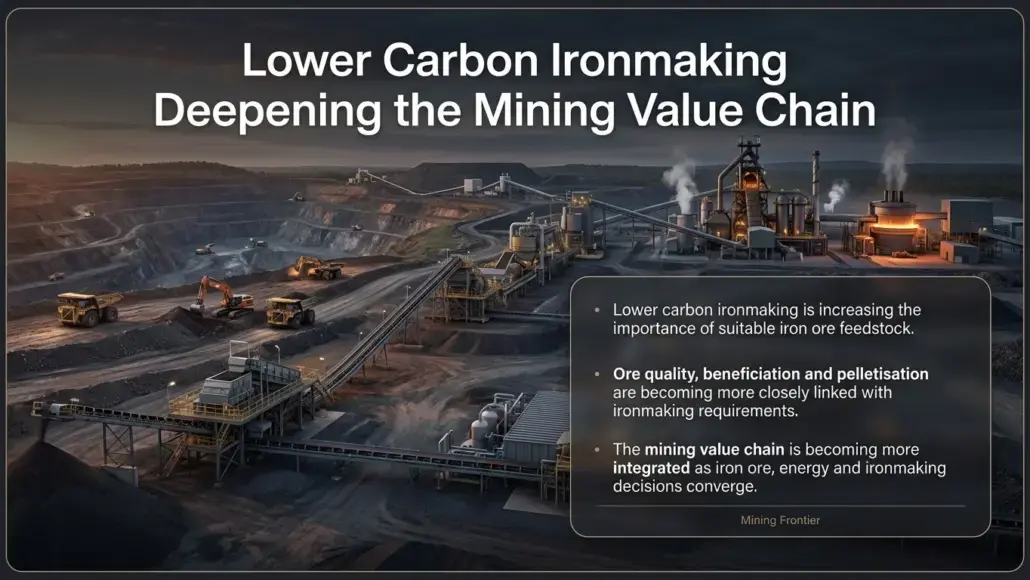

The steel industry is beginning to reshape ironmaking around processes that can reduce reliance on coal, increasing the importance of the raw materials that feed them. Blast furnace and basic oxygen furnace routes still account for about 70% of global steel production, but direct reduced iron (DRI) using hydrogen and electric arc furnace (EAF) systems are emerging as lower emission options in selected regions. This shift brings lower carbon ironmaking closer to the mining value chain because the characteristics of the iron ore entering the process can influence technical performance, processing requirements and overall economics.
The scale of direct reduction is also expanding. World Steel Association data shows global DRI production rising from 117.9 million tonnes in 2021 to an estimated 153.0 million tonnes in 2025. This growth does not mean that all DRI is produced through lower emission methods, but it demonstrates that direct reduction is becoming a larger part of the global ironmaking landscape.
Iron Ore Quality Becoming More Important
As direct reduction expands, ore quality becomes a more significant consideration. Conventional blast furnace systems can accommodate a broad range of feedstocks through established blending and preparation practices, while direct reduction generally places greater emphasis on iron content, impurity levels, physical characteristics and consistent feed quality.
Key Ore Quality Considerations
- Iron content: Higher iron concentration can support more efficient reduction and improve product quality.
- Gangue levels: Silica, alumina and other unwanted materials can affect process efficiency and downstream handling.
- Physical properties: Pellet strength, size distribution and reducibility influence process stability.
- Feed consistency: Predictable ore characteristics can help operators maintain stable reduction conditions.
This makes lower carbon ironmaking relevant before the ore reaches an ironmaking furnace. Beneficiation, concentration and pelletisation can become more strategically important as producers prepare feedstock for direct reduction systems.
Direct Reduction Expanding the Mining Connection
The relationship between mining and ironmaking is therefore becoming more integrated. Recent industry analysis indicates that suitable direct reduction feedstock can require higher quality concentrates and carefully controlled pellet characteristics, while research is also examining how medium grade ores can perform under hydrogen rich reduction conditions.
The commercial implications extend beyond producing more iron ore. Mining companies may increasingly need to consider whether existing products match the specifications required by emerging ironmaking routes, while additional processing can introduce energy, capital and infrastructure requirements.
This makes lower carbon ironmaking a value chain issue rather than solely a steelmaking technology issue. As ore preparation and ironmaking become more closely connected, carbon management in downstream steelmaking becomes the next part of the decarbonisation discussion.
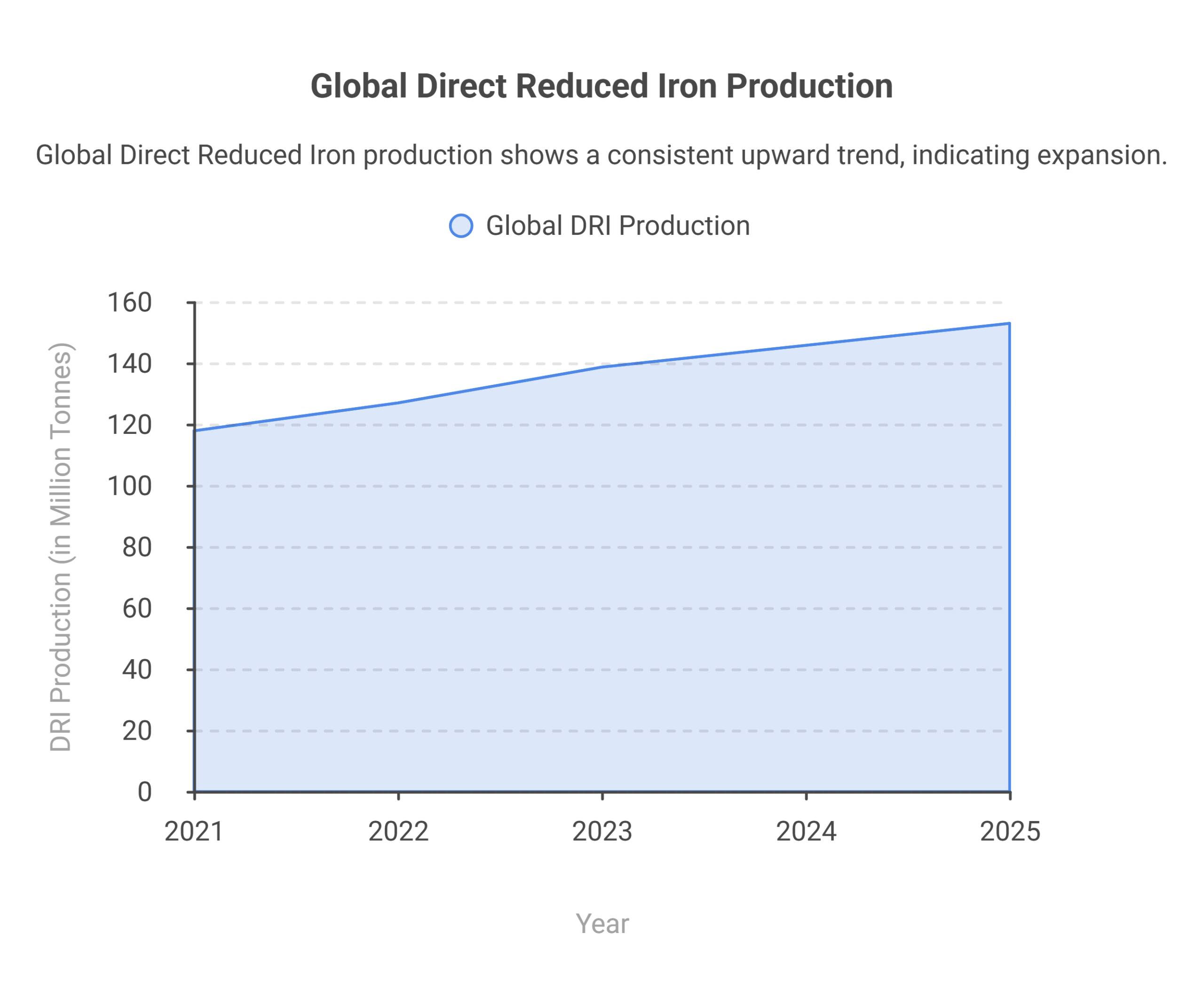
The increase in global DRI production shows the growing scale of direct reduction within the wider ironmaking system.
Beneficiation Becoming More Important for Direct Reduction
The shift toward direct reduction increases the importance of how iron ore is prepared before it enters the ironmaking process. Lower carbon ironmaking can place stricter demands on feed quality because the reduction furnace must operate with consistent material characteristics and controlled impurity levels. This can make beneficiation and pelletisation more important parts of the upstream value chain rather than simply preparation steps.
For mining operations, the relevant variables increasingly include:
- Iron concentration: Higher iron content can improve the proportion of useful material entering the reduction process.
- Impurity control: Silica, alumina and other gangue materials can affect process efficiency and downstream slag requirements.
- Particle characteristics: Pellet size, strength and reducibility influence stable furnace operation.
- Feed consistency: Predictable chemistry and physical properties can support more stable reduction conditions.
Research is also showing that the relationship between ore grade and hydrogen reduction is not straightforward. Experimental work on iron ore pellets with different iron grades has demonstrated substantial reduction under hydrogen rich conditions across the tested range. This suggests that ore quality requirements should be assessed through actual process testing rather than treated as a single universal threshold.
Processing and Energy Requirements Reshaping the Value Chain
The implications extend beyond ore quality. Producing suitable feedstock can require additional crushing, concentration, pelletisation and material handling, creating new energy and capital requirements upstream of the ironmaking plant. Lower carbon ironmaking therefore has to be considered alongside the emissions associated with preparing the feedstock.
A 2026 assessment of hydrogen based ironmaking using medium grade iron ore found that ore characteristics, renewable energy availability and hydrogen system design interact strongly in determining technical and economic performance. The finding reinforces the importance of considering the mining and energy systems together rather than assessing the ironmaking furnace in isolation.
Strategic Processing Considerations
- Beneficiation capacity: Upgrading lower quality ore can improve suitability for direct reduction but adds processing requirements.
- Pelletisation: Consistent pellets can support stable reduction while creating additional energy demand.
- Ore testing: Metallurgical testing can establish how specific ores behave under intended reduction conditions.
- Energy sourcing: Processing emissions matter alongside the emissions performance of the downstream ironmaking route.
This creates a more integrated commercial question for miners. Lower carbon ironmaking may increase the value of products that meet direct reduction specifications, but achieving those specifications can require investment in processing, energy and product quality control. The result is a closer relationship between mine planning, processing strategy and downstream ironmaking requirements.
Mining and Ironmaking Becoming More Closely Connected
The transition toward lower emission ironmaking is extending decarbonisation decisions upstream into mining. Lower carbon ironmaking is increasing the importance of ore quality, beneficiation, pelletisation, energy supply and product consistency because these factors can influence whether iron ore is suitable for emerging direct reduction routes.
The strategic priorities are becoming clearer:
Ore Quality And Preparation
- Improve understanding of iron content and impurity levels.
- Assess beneficiation requirements for suitable feedstock.
- Maintain consistent pellet quality and physical properties.
- Test ore behaviour under intended reduction conditions.
Value Chain Integration
- Align mine processing with downstream ironmaking specifications.
- Consider energy requirements associated with additional ore preparation.
- Evaluate hydrogen, electricity and processing infrastructure together.
- Assess product value according to emerging direct reduction demand.
The expansion of direct reduced iron production does not establish one universal future for ironmaking, but it does show that the relationship between mines and steel producers is becoming more important. As these systems develop, the focus can move from simply supplying iron ore toward supplying material designed for changing ironmaking requirements.
References
- International Energy Agency: Breakthrough Agenda Report 2025, Steel: 2025
- World Steel Association: World Steel in Figures 2026: 2026
- steeluniversity: Iron Ore for Direct Reduction: New Course Developed With Hadeed: 2025
- Marcel Stolte, Ali Bourig, Francesco Demetrio Minuto and Andrea Lanzini: Energy System Optimization for Hydrogen Based Green Steel Production From Medium Grade Iron Ore: Applied Energy: 2026
- Congcong Yang, Liu Wei, Deqing Zhu, Jian Pan, Guanghui Xia and Shijuan Qu: Hydrogen Based Direct Reduction Behavior of Iron Ore Pellets With Iron Grades Ranging From 59 Percent to 68 Percent: International Journal of Hydrogen Energy: 2025