









Mining operations rely on some of the most demanding industrial equipment in the world. Haul trucks, excavators, drills, crushers, conveyors, and processing systems operate continuously under extreme conditions that expose them to heavy loads, abrasive materials, fluctuating temperatures, and challenging environments. Maintaining the reliability of these assets is essential not only for sustaining production but also for controlling operating costs, improving worker safety, and extending equipment life. As mining projects become larger and more technologically advanced, Mining Equipment Reliability has become a strategic priority rather than simply a maintenance objective.
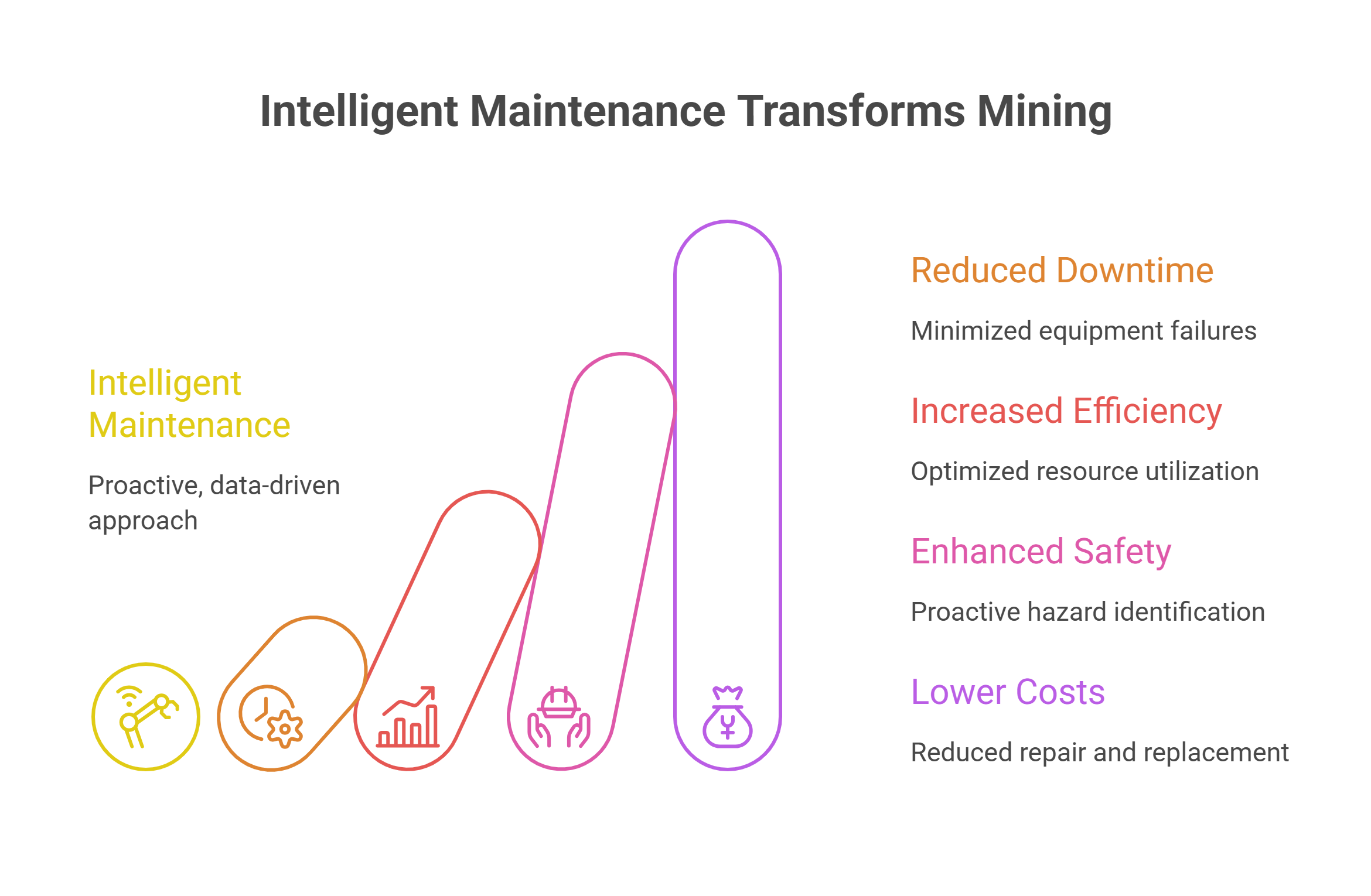
Traditionally, maintenance strategies focused on repairing equipment after failures occurred or following fixed maintenance schedules regardless of asset condition. While these approaches helped establish routine maintenance practices, they often resulted in unexpected downtime, unnecessary component replacements, and higher operating costs. Modern mining operations are increasingly shifting toward intelligent maintenance strategies that use operational data, connected technologies, and predictive analytics to identify potential issues before they disrupt production.
The evolution of digital mining technologies is accelerating this transition. Connected sensors, condition monitoring systems, artificial intelligence, and advanced analytics now enable maintenance teams to continuously evaluate equipment health rather than relying solely on periodic inspections. These technologies allow operators to detect early signs of wear, optimise maintenance schedules, and improve decision-making based on real-time operational information. As a result, Mining Equipment Reliability is becoming closely linked with broader digital transformation initiatives across the mining industry.
Building reliable mining operations therefore requires more than replacing worn components or following maintenance intervals. Intelligent maintenance combines technology, operational planning, workforce expertise, and data-driven insights to improve asset performance throughout the equipment lifecycle. By integrating these capabilities into daily operations, mining companies are strengthening Mining Equipment Reliability while supporting safer, more efficient, and more resilient mining environments.
Mining Equipment Reliability Has Become a Strategic Business Priority
Reliable equipment has always been important to mining operations, but its significance has increased as mines expand in scale and operational complexity. Modern mining projects depend on highly productive fleets and processing facilities where even short periods of unexpected downtime can disrupt production schedules, increase maintenance costs, and affect overall operational performance. As equipment becomes more sophisticated, maintaining Mining Equipment Reliability has evolved into a key factor influencing productivity, profitability, and long-term asset management.
The financial impact of equipment failures extends well beyond repair costs. Unplanned maintenance can interrupt material movement, delay processing activities, increase fuel consumption, and place additional pressure on maintenance resources. In many operations, a single equipment failure can create cascading disruptions throughout the mining value chain, highlighting the importance of proactive maintenance strategies that minimise operational interruptions.
At the same time, Mining Equipment Reliability plays a critical role in workplace safety. Equipment operating under deteriorating conditions may present increased risks for operators, maintenance personnel, and surrounding infrastructure. Maintaining assets in optimal operating condition helps reduce mechanical failures, improve operational stability, and create safer working environments. This connection between reliability, productivity, and safety is encouraging mining companies to view maintenance as a strategic business function rather than a routine operational activity.
Intelligent Maintenance Moves Beyond Traditional Maintenance Practices
The growing emphasis on Mining Equipment Reliability is changing how maintenance programmes are designed and managed. Conventional maintenance models have generally relied on either reactive repairs after failures occur or preventive maintenance performed according to predetermined schedules. Although preventive maintenance reduces the likelihood of unexpected breakdowns, it does not always reflect the actual condition of equipment and can sometimes result in unnecessary servicing or component replacement.
Intelligent maintenance introduces a more data-driven approach by combining condition monitoring, predictive analytics, and operational insights to determine when maintenance activities are genuinely required. Instead of relying solely on calendar-based schedules, maintenance decisions are increasingly guided by real-time equipment performance, enabling maintenance teams to intervene before developing issues affect operational reliability.
This transition also improves maintenance planning and resource allocation. By identifying emerging equipment problems earlier, mining operations can schedule maintenance during planned shutdowns, optimise spare parts management, and reduce costly emergency repairs. Intelligent maintenance therefore supports Mining Equipment Reliability by aligning maintenance activities with actual equipment health rather than fixed maintenance intervals alone.
As mining operations continue adopting digital technologies, intelligent maintenance is becoming a core element of modern asset management strategies. Rather than reacting to equipment failures, mining companies are increasingly using operational intelligence to extend equipment life, improve maintenance efficiency, and support more consistent operational performance.
Condition Monitoring Is Strengthening Mining Equipment Reliability
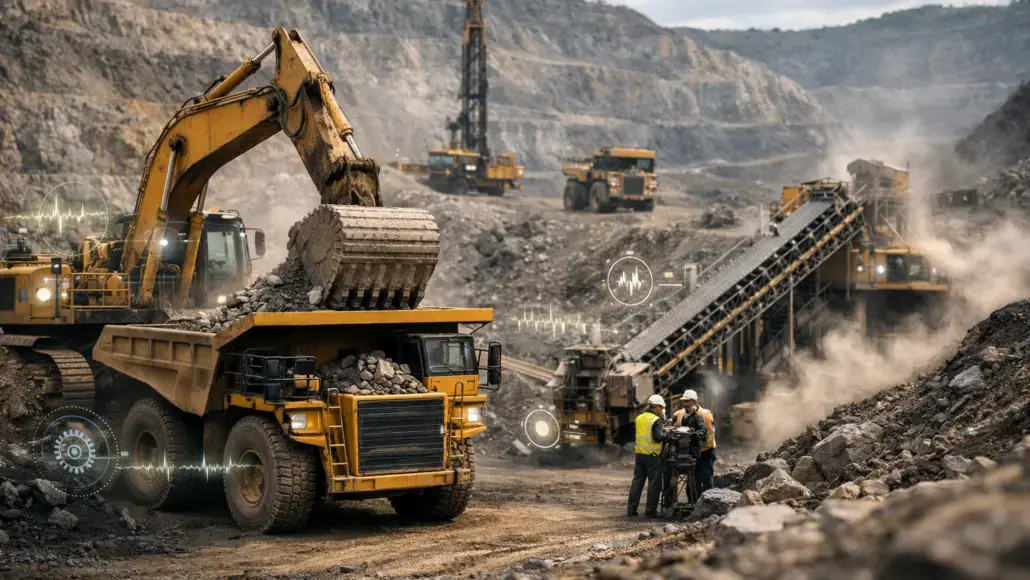
The shift toward intelligent maintenance is being supported by continuous condition monitoring, which provides maintenance teams with real-time visibility into equipment health. Instead of depending solely on scheduled inspections or reactive maintenance, mining operations are increasingly using connected technologies to monitor the condition of critical assets throughout their operating lifecycle. This approach enables earlier identification of developing issues while improving maintenance planning and reducing unexpected equipment failures.
Modern condition monitoring systems continuously collect operational data from mining equipment, including vibration levels, temperature, pressure, oil quality, and mechanical performance. When integrated with Mining Equipment Reliability strategies, this information helps maintenance teams detect abnormal operating conditions before they develop into major mechanical failures. Early intervention reduces downtime, improves equipment availability, and supports more efficient use of maintenance resources.
Real-time equipment monitoring also improves decision-making across mining operations. By providing continuous visibility into asset performance, maintenance teams can prioritise repairs based on actual equipment condition rather than fixed maintenance intervals. This data-driven approach enables mining companies to optimise maintenance schedules while extending equipment life and improving overall operational efficiency.
Lubrication Plays an Important Role Within a Broader Reliability Strategy
Lubrication has long been recognised as a critical component of equipment maintenance, helping reduce friction, minimise wear, and protect moving components operating under demanding mining conditions. However, modern Mining Equipment Reliability depends on a much broader maintenance strategy where lubrication supports, rather than defines, overall asset performance.
Effective reliability programmes combine lubrication management with contamination control, oil analysis, condition monitoring, routine inspections, and disciplined maintenance planning. Oil analysis, for example, can provide valuable insights into equipment health by identifying abnormal wear particles, contamination, or lubricant degradation before these issues affect operational performance. When combined with other diagnostic techniques, lubrication management becomes part of a comprehensive approach to maintaining equipment reliability.
Viewing lubrication as one element of an integrated maintenance strategy allows mining companies to make more informed maintenance decisions while reducing unnecessary component replacements and improving asset longevity. Rather than treating lubrication as an isolated maintenance activity, modern reliability programmes incorporate it alongside digital monitoring technologies and predictive maintenance practices to support long-term Mining Equipment Reliability.
Artificial Intelligence Is Supporting Smarter Maintenance Decisions
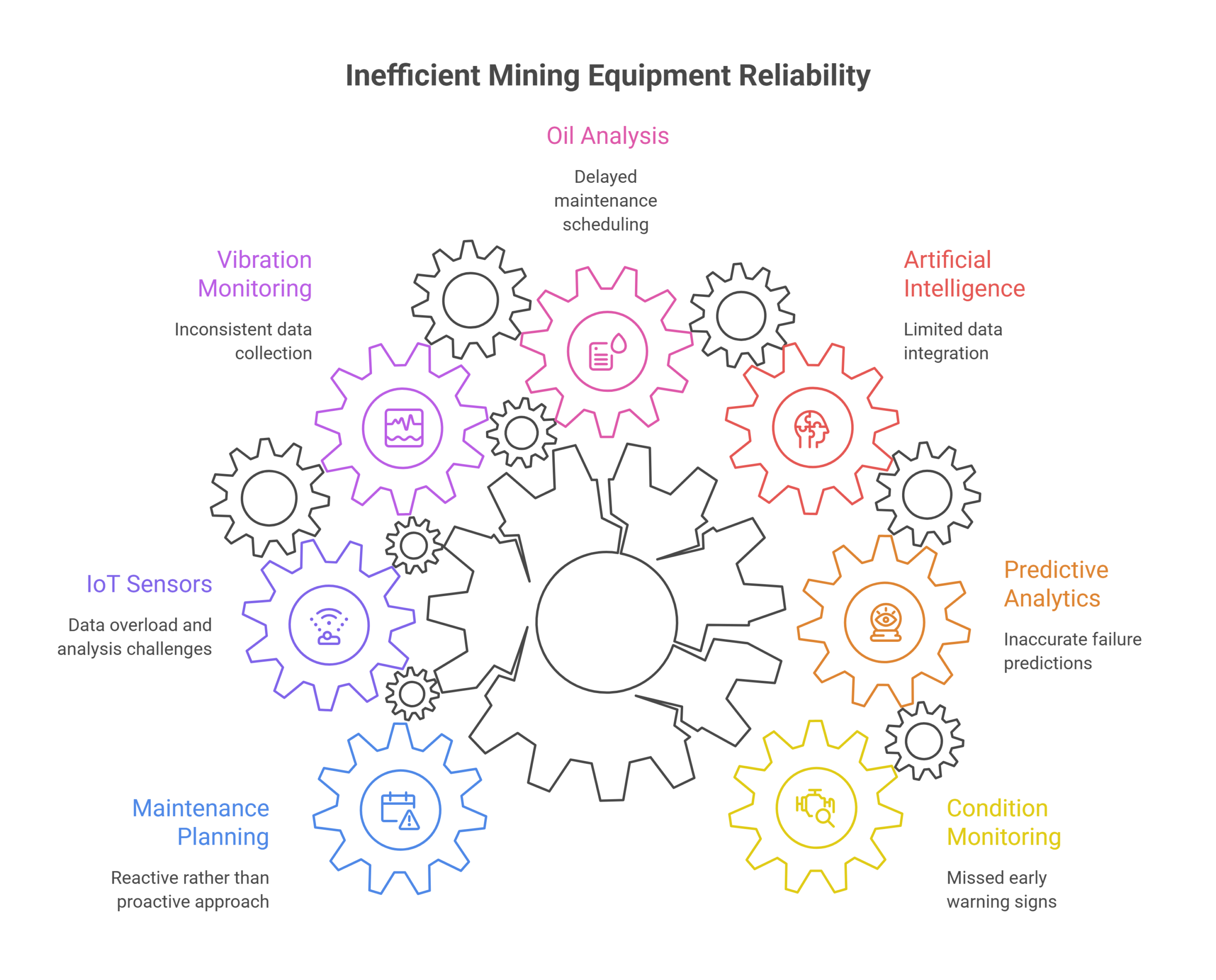
Artificial intelligence is becoming an increasingly valuable tool for improving Mining Equipment Reliability by enabling maintenance teams to analyse large volumes of operational data more efficiently than traditional methods. Modern mining operations generate continuous streams of information from connected equipment, sensors, and maintenance systems. AI-powered analytics can process this data to identify performance trends, recognise early warning signs of equipment deterioration, and recommend maintenance actions before failures occur.
Predictive analytics further strengthens intelligent maintenance by estimating the remaining useful life of critical equipment components based on historical and real-time operating conditions. This allows maintenance teams to schedule repairs more effectively, minimise operational disruptions, and optimise inventory management for replacement parts. Instead of relying on fixed maintenance intervals, mining companies can align maintenance activities with actual equipment health, improving both operational efficiency and asset utilisation.
As digital mining technologies continue to evolve, artificial intelligence is supporting more informed maintenance planning while helping maintenance teams prioritise interventions based on operational risk and equipment condition. The integration of AI with condition monitoring and predictive analytics is therefore becoming an important contributor to long-term Mining Equipment Reliability across increasingly complex mining operations.
Workforce Expertise Remains Central to Intelligent Mining Maintenance
Although digital technologies are transforming maintenance practices, successful Mining Equipment Reliability continues to depend on skilled personnel capable of interpreting operational data and making informed maintenance decisions. Intelligent maintenance systems provide valuable insights, but experienced engineers, technicians, and maintenance planners remain essential for validating recommendations, prioritising repairs, and ensuring maintenance activities align with operational objectives.
The growing adoption of digital maintenance technologies is also changing workforce requirements across the mining industry. Maintenance teams increasingly require expertise in data analysis, digital monitoring platforms, sensor technologies, and predictive maintenance tools alongside traditional mechanical skills. Continuous training and workforce development therefore play an important role in ensuring intelligent maintenance systems deliver meaningful operational improvements.
A strong maintenance culture further supports equipment reliability by encouraging consistent inspection practices, effective communication, and collaboration between operations and maintenance teams. Combining advanced technologies with skilled personnel creates a balanced maintenance strategy where digital insights enhance, rather than replace, professional judgement. This collaborative approach is becoming fundamental to achieving sustainable Mining Equipment Reliability.
Conclusion
Reliable equipment remains fundamental to safe, productive, and efficient mining operations. As maintenance strategies continue evolving beyond reactive repairs and fixed maintenance schedules, Mining Equipment Reliability is increasingly being supported through intelligent maintenance practices that combine condition monitoring, predictive analytics, artificial intelligence, lubrication management, and workforce expertise. Together, these capabilities enable mining companies to identify potential issues earlier, optimise maintenance planning, and improve asset performance throughout the equipment lifecycle.
While implementing intelligent maintenance requires investment in digital infrastructure, workforce development, and integrated asset management strategies, the long-term benefits extend beyond reducing downtime. By combining technology with disciplined maintenance practices and operational expertise, mining companies are strengthening Mining Equipment Reliability, improving operational resilience, and building more efficient mining operations capable of supporting long-term productivity and sustainable asset performance.