






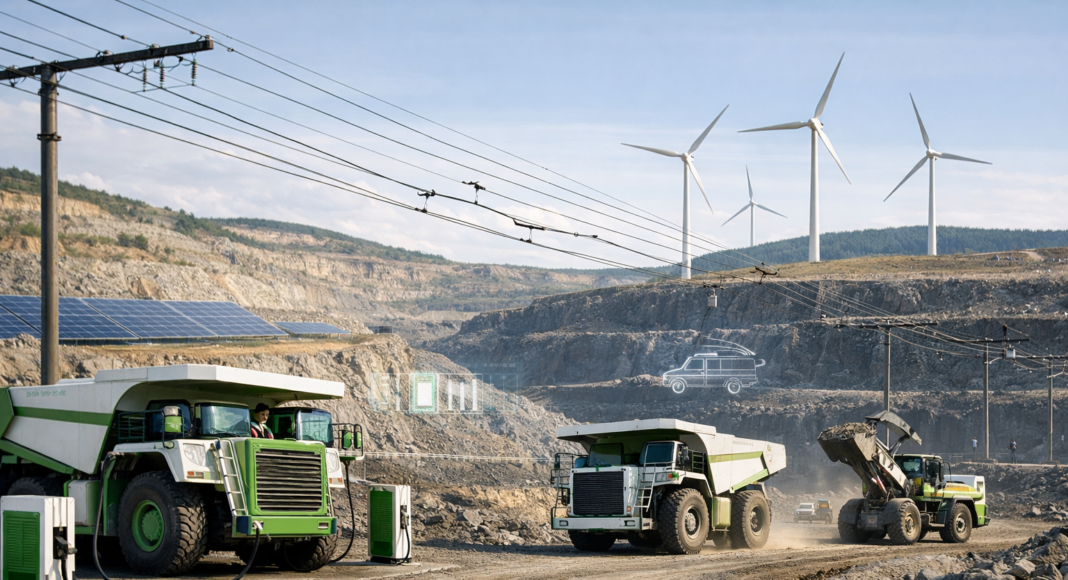

The mining industry stands at the heart of the global energy transition. It supplies the critical minerals needed for renewable energy systems, electric vehicles, battery storage, and modern infrastructure, while simultaneously facing increasing pressure to reduce the environmental impact of its own operations. This dual responsibility has accelerated investments in mine electrification, making electric mining equipment a key component of the industry’s broader net-zero strategies.
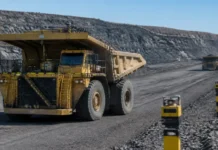
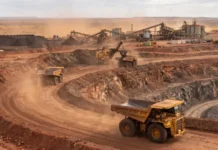
For decades, diesel-powered fleets have formed the backbone of mining operations, powering haul trucks, loaders, drills, and auxiliary vehicles across surface and underground mines. While these machines have delivered reliable performance in demanding environments, they also represent one of the largest contributors to operational greenhouse gas emissions and fuel costs. As renewable energy becomes more affordable and battery technologies continue to mature, the business case for electrification is being driven as much by operational efficiency and energy security as by sustainability commitments.
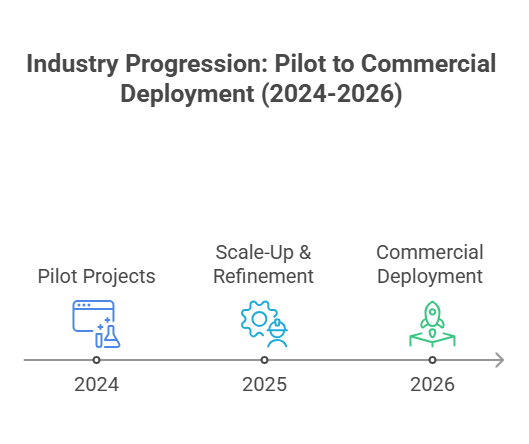
Today, electric mining equipment is moving beyond pilot demonstrations into large-scale procurement strategies, commercial deployments, and long-term capital investment plans. Mining companies are increasingly evaluating fleet electrification alongside digital transformation, renewable power integration, and automation to improve productivity while advancing their decarbonization objectives.
Why Diesel Displacement Sits at the Centre of Net-Zero Mining
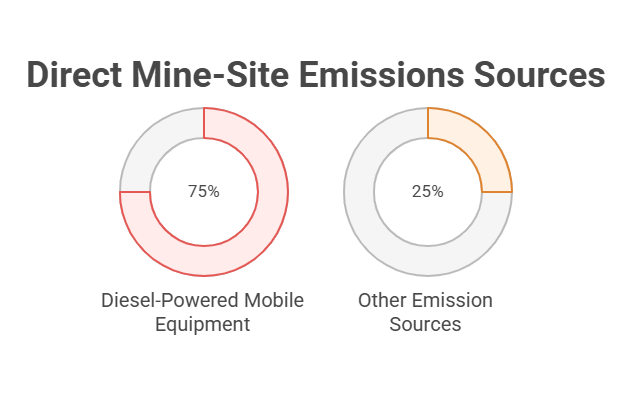
Reducing diesel consumption has become one of the most effective ways for mining companies to lower operational emissions. According to ICMM, diesel-powered mobile equipment accounts for a significant share of direct mine-site emissions, making fleet electrification a strategic decarbonization priority. Underground mines benefit further because battery-electric equipment reduces ventilation demand, heat axnd particulate emissions.
Technology Landscape: Multiple Pathways to Mine Electrification
Mining companies are adopting battery-electric vehicles, trolley-assist systems, hydrogen fuel-cell technologies, renewable power integration, battery management systems and digital fleet software. Rather than competing, these technologies complement one another depending on mine design, haul profiles and available energy infrastructure.
Why Underground Mines Are Leading Electrification
Underground operations have become the leading environment for battery-electric equipment because reduced ventilation demand creates immediate operational savings alongside improved air quality, lower heat generation, reduced maintenance and stronger ESG performance.
Sustainability and Net-Zero Mining Strategies
Electric mining equipment forms part of a wider strategy that combines renewable energy, automation and digital technologies to reduce emissions while improving operational performance. Fleet electrification is increasingly integrated into corporate ESG and net-zero roadmaps.
Policy Initiatives and Industry Collaboration
Industry organizations, governments and OEMs are collaborating to accelerate zero-emission mining technologies through research, standards development and infrastructure investment.
Market Outlook and Investment Signals
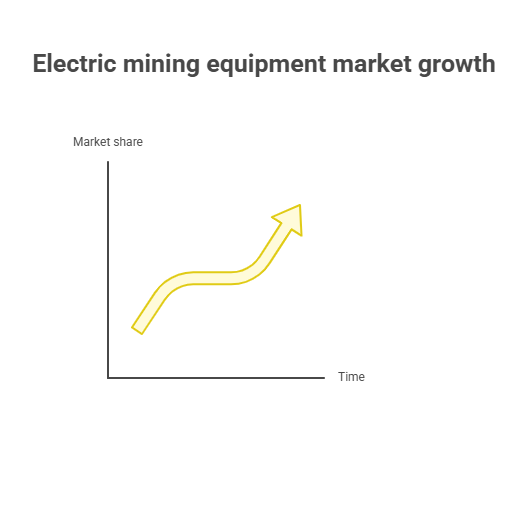
Market research indicates strong long-term growth in electric mining equipment while conventional diesel fleets continue to dominate the installed base, highlighting a gradual transition driven by asset replacement cycles.
Operational Challenges Affecting Wider Adoption
Challenges include charging infrastructure, battery energy density, workforce training, capital investment, battery lifecycle management and integration with existing fleets. Addressing these issues requires continued collaboration across the mining ecosystem.
Conclusion
Electric mining equipment has progressed from demonstration projects to a strategic pillar of modern mining. Continued advances in battery technology, renewable energy integration, and industry collaboration are positioning electrification as a central element of safer, more efficient, and lower-emission mining operations. As explored by Mining Frontier, this transition reflects a broader shift toward sustainable, technology-driven mining strategies across the global industry.