










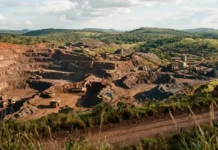









Costa Rican President Laura Fernández has placed the proposed reopening of the Crucitas gold deposit at the centre of her administration’s agenda, challenging the country’s long-standing mining ban while reigniting debate over whether responsible resource development can coexist with its conservation-focused identity.
Four days after taking office on May 8, Fernández included Bill 24.717 in the Legislative Assembly’s extraordinary-session agenda. The proposal would permit gold exploration and mining only within the 84,800-hectare Cutris de San Carlos district, home to the Crucitas deposit, while maintaining the nationwide mining ban across the rest of the country.
Government Pushes Regulated Mining
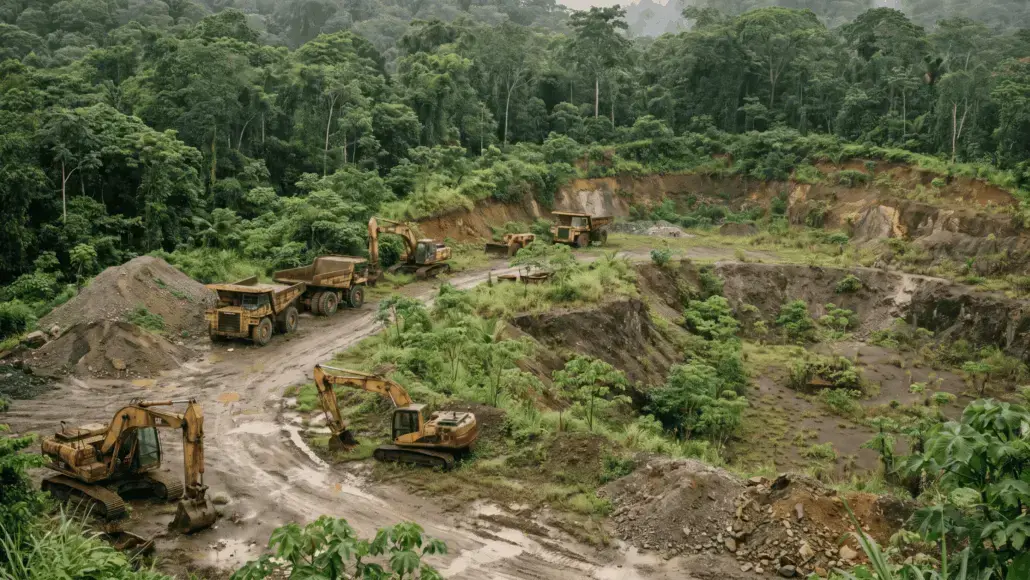
The government argues the mining ban has failed to stop illegal mining at Crucitas, where operators continue using mercury and cyanide without environmental oversight. Officials believe a regulated framework could improve environmental management while strengthening governance.
Mining consultant Juan Ignacio Guzmán noted that Costa Rica already operates a non-metallic mining sector supplying construction materials, making the debate increasingly about governance rather than mining itself. Analysts Eduardo Zamanillo and Marta Rivera described Crucitas as a case of “anomic mining,” where legal restrictions remain but have lost practical control over activities on the ground.
Bill Outlines Mining Framework
Under Bill 24.717, mining concessions would be awarded through public auctions managed by the Directorate of Geology and Mines. Companies would need to demonstrate technical expertise, financial capability and a strong environmental record before qualifying.
The proposal also introduces a minimum 5% royalty on gross mineral sales, with more than 70% of revenues directed to the central government and the remainder allocated to municipalities and local development associations.
Mining consultant Juan Carlos Guajardo said regulated mining could operate under higher environmental standards than illegal activity through engineered tailings facilities, water management, chemical controls and mine closure plans. However, he stressed that reducing illegal mining also requires stronger enforcement, gold traceability and alternative economic opportunities.
Legislative Battle Continues
The bill has cleared committee review and now awaits debate in the legislative plenary, where opposition lawmakers have filed hundreds of delaying motions. Environmental groups and opposition parties argue that easing the mining ban could threaten sensitive ecosystems.
The discussion also follows the Infinito Gold dispute, which concluded in Costa Rica’s favour in 2021, removing a longstanding legal obstacle surrounding Crucitas. Fernández has indicated she may pursue a national referendum if lawmakers reject the proposal.
For investors, the outcome will signal whether Costa Rica is prepared to revisit its mining ban under strict regulatory conditions. While analysts believe legislative approval would encourage interest, they caution that governance, environmental performance and regulatory certainty will ultimately determine the project’s long-term viability.