
























Chile is planning approximately $100 billion in copper investments over the next decade, aiming to broaden its customer base well beyond China and tap into rising demand from data centers worldwide. The ambitious initiative was outlined by Chilean Foreign Affairs Minister Francisco Pérez Mackenna at Bloomberg’s Sustainable Business Summit in Singapore.
“It’s highly concentrated and we need to expand the number of places that are buying copper from us,” Pérez Mackenna said, underscoring the country’s intent to reduce its heavy reliance on a single dominant buyer.
Moving from Concentrate to Refined Copper
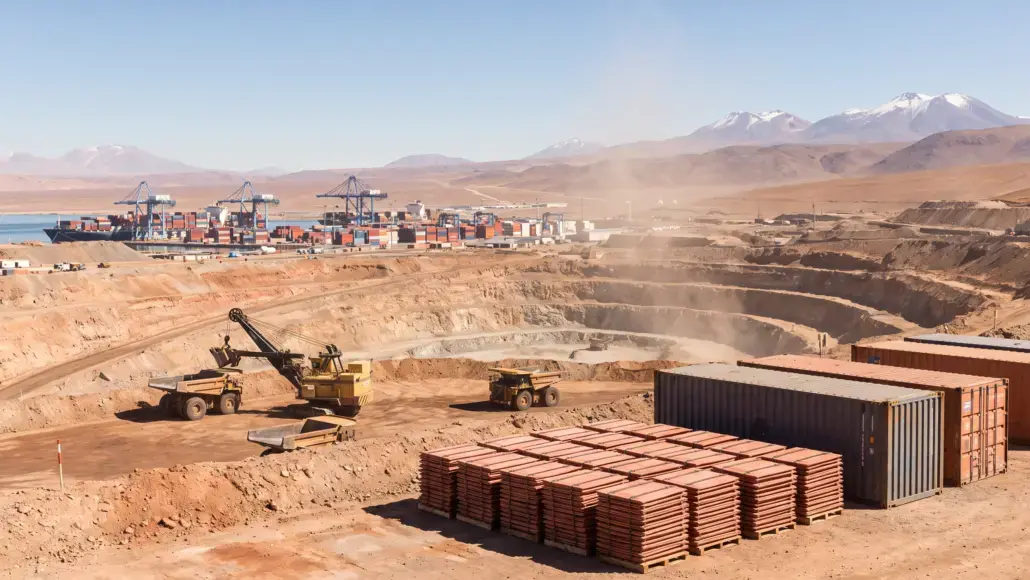
A central part of Chile’s copper investment strategy involves a fundamental shift in how the country exports the metal. Rather than continuing to ship raw copper concentrate, Chile intends to invest heavily in refining capacity so it can export finished, refined copper, a move that would add value domestically while also making Chilean supply more attractive to a wider range of international buyers.
Pérez Mackenna acknowledged that China would likely remain a key market. “Probably China will continue to be a very significant client for our copper because of the industrial footprint they have,” he said. However, he pointed to the global race to build data centers as a driver that would make copper demand more widespread, extending well beyond China’s industrial base.
Why Copper Demand Is Surging Globally
The urgency behind Chile’s copper investment comes against the backdrop of intensifying global competition for the metal. Copper is a critical material across a wide range of industries — from power grids and electric vehicles to the data centers that are fueling the artificial intelligence boom. Countries around the world are racing to secure reliable copper supplies, making diversification of export markets both strategically and economically important for Chile.
A Shifting Landscape in China’s Copper Market
China has long been the dominant buyer of Chilean copper, historically absorbing more than half of the country’s copper exports. However, the dynamics of that relationship have grown increasingly complex. Mine disruptions have constrained global copper supplies in recent years, while a rapid expansion of China’s smelting industry has intensified competition for copper concentrate, making annual supply negotiations more difficult.
This evolving market environment has already led Chilean producer Antofagasta to propose linking annual copper concentrate contracts to spot-market indexes rather than fixed treatment and refining charges a proposal that would challenge a pricing structure that has underpinned the global copper industry for decades.
New Trade Agreements on the Horizon
In parallel with its copper investment ambitions, Chile has also begun negotiating a free trade agreement with India. The minister said the country would further strengthen existing trade deals with its regional neighbors as part of a broader strategy to open new export markets and reduce dependence on any single buyer.
The combination of major domestic copper investment, a shift toward refined copper exports, and the pursuit of new trade agreements reflects Chile’s comprehensive approach to reshaping its role in the global copper supply chain over the coming decade.