








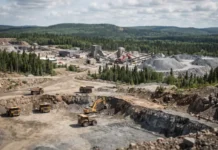
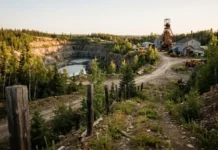
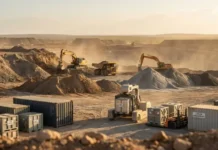
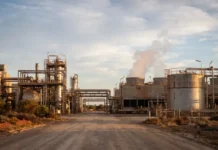
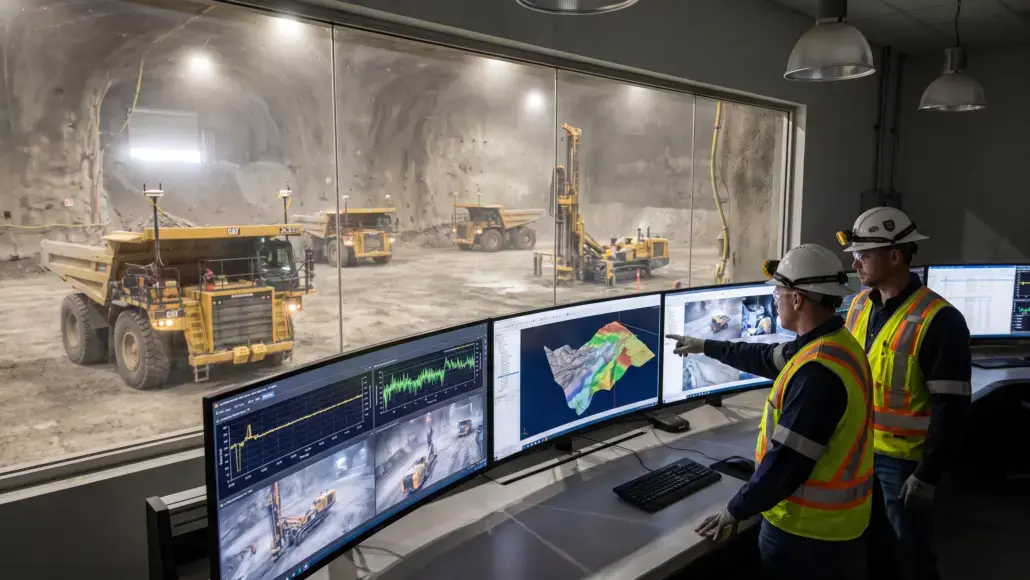

The U.S. Department of Energy (DOE) and the U.S. Department of Labor (DOL) have signed a five-year memorandum of understanding to establish a framework that accelerates the deployment of artificial intelligence, automation, advanced sensors, and other emerging tools across the nation’s extraction sector. Integrating the energy technology capabilities of the DOE with the DOL’s oversight of mine safety, the partnership is designed to promote mining innovation safety while improving worker protection, elevating productivity, and supporting the secure domestic production of critical minerals.
Driving Domestic Production and Securing Supply Lines
The partnership advances the Trump Administration’s commitment to fortify domestic supply chains for critical minerals and re-centralize the energy industry around coal. U.S. Secretary of Energy Chris Wright stated that America’s security and economic future rely on developing a strong domestic extraction sector. By pairing the Energy Department’s technical expertise with the Labor Department’s leadership in mine safety, the joint effort intends to support American workers, secure domestic supply chains, and put cutting-edge mining technology into practical use.
Acting Secretary of Labor Keith Sonderling noted that the agreement ensures the two departments will work together to prepare the workforce, advance mining technology, and support the safe production of coal. Sonderling affirmed the administration’s pledge to restore coal as a key driver of the national energy network.
Structural Collaboration and Operational Focus Areas
Under the new framework, the DOE’s Hydrocarbons and Geothermal Energy Office and the Office of Critical Minerals and Energy Innovation will collaborate directly with the DOL’s Mine Safety and Health Administration. These branches will share non-proprietary data, research, and technical proficiency to support the rollout of next-generation operations, directly enhancing overall mining innovation safety.
The primary focus areas of the agreement minimize fragmented efforts by fostering collaborative research and development through joint testing and demonstration projects. The agencies will leverage federal expertise by working with multidisciplinary teams at the DOE’s National Energy Technology Laboratory Coal Center of Excellence to accelerate technology deployment.
Additionally, the partnership aims to apply advanced systems to strengthen hazard detection, reduce accidents, and enhance emergency preparedness. Recognizing the shift toward highly automated environments, the departments will facilitate workforce development by identifying future labor needs and supporting training opportunities that equip workers with the skills required for modern operations. Finally, the agencies will work with stakeholders to digitize legacy data and improve public datasets, aiding in the characterization of mineral resources on federally managed lands.