
















Key Takeaways
- Green hydrogen production from renewable-powered electrolysis enables remote mining sites to achieve energy independence, eliminating diesel logistics costs and supply vulnerability
- Hybrid energy systems integrating hydrogen storage, battery systems, and renewable generation provide 24/7 power reliability for remote operations despite intermittent renewable generation
- Hydrogen fuel cells can replace diesel gensets in remote mining camps and processing facilities, eliminating emissions while providing same operational reliability
- Integration of hydrogen into mining vehicle fleets reduces fuel logistics complexity and cost while supporting corporate decarbonization commitments
- Modular hydrogen system design enables phased implementation from pilot demonstrations to full operational deployment at remote mining sites
- Water-electrolysis-based hydrogen production in arid mining regions can be combined with advanced water management to overcome water scarcity constraints
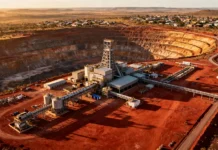
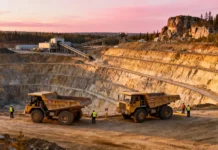
Remote mining operations represent some of the most challenging environments for sustainable energy management. Many mines operate in geographically isolated locations far from established electrical grid infrastructure, in deserts, mountain ranges, tropical rainforests, or arctic regions. These locations offer valuable mineral resources but lack access to centralized power networks. Consequently, remote mining operations have historically depended on diesel generation for all operational power.
Diesel generation creates substantial operational challenges. Fuel must be transported to remote sites through difficult terrain, limited infrastructure, and long distances. Fuel logistics costs represent significant operational expenses, often accounting for millions of dollars annually at large remote mining operations. Supply interruptions from transportation disruptions or supply chain constraints can threaten operational continuity. Volatility in diesel pricing directly impacts mining economics and operational margins.
Beyond economic challenges, diesel dependence creates environmental impacts inconsistent with modern sustainability expectations. Diesel combustion generates greenhouse gas emissions contributing to climate change. Particulate emissions and nitrogen oxides degrade air quality at mining sites, affecting worker health. Spillage and leakage of diesel fuel contaminates soils and water. Mining companies increasingly face stakeholder pressure to reduce or eliminate diesel dependence, particularly at visible operations in sensitive environments.
Green hydrogen represents a transformative solution to remote mining energy challenges. Renewable energy sources—solar and wind—can be deployed at remote mining sites to generate electricity. This electricity can power mining operations directly during generation periods, or be used to produce hydrogen through electrolysis when renewable generation exceeds immediate power demands. Hydrogen can be stored for extended periods, enabling power generation during periods when renewable sources unavailable. Fuel cells convert stored hydrogen back to electricity on demand, creating dispatchable power supply despite intermittent renewable generation.
Renewable Energy Foundation for Hydrogen Production
Successful green hydrogen systems depend on renewable energy generation. Most remote mining locations possess substantial solar potential—clear skies, high insolation, and minimal cloud cover in many mining regions. Many mining sites also have sufficient wind resources to support wind generation. Combining solar and wind generation creates more reliable renewable generation profiles than either resource alone.
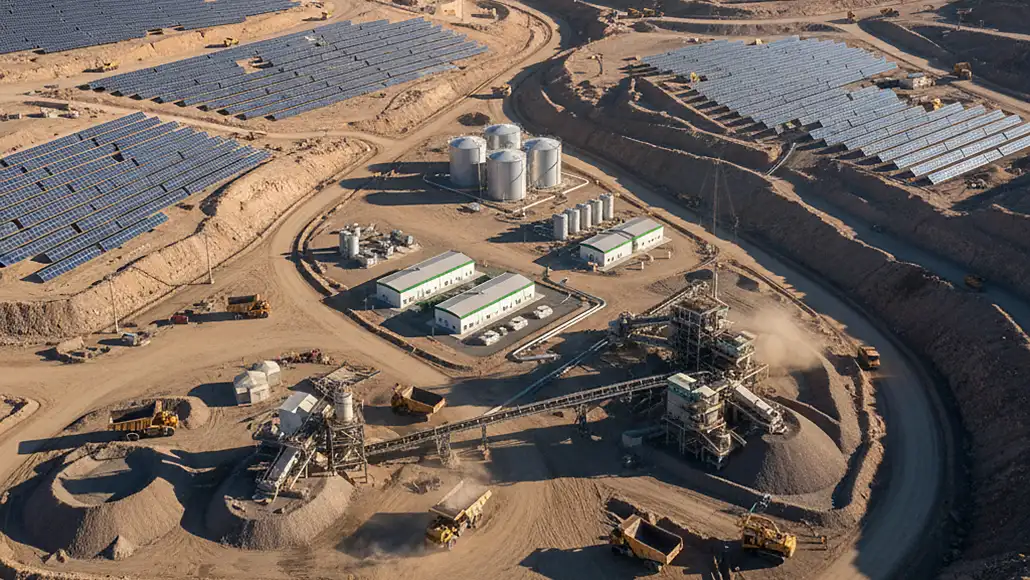
Solar photovoltaic systems represent the most common renewable technology at remote mining sites. Modern photovoltaic technology achieves high efficiency, operates reliably in harsh environments, and requires minimal maintenance. Installed capacity can be scaled to match site requirements, from small installations for specific equipment to megawatt-scale systems powering entire operations. Photovoltaic costs have declined dramatically over recent years, making solar-powered mining economically competitive with diesel generation at many locations.
Wind generation adds valuable generation diversity, particularly in regions with consistent wind patterns. Seasonal wind patterns complement seasonal solar patterns in many regions, improving overall renewable generation consistency. Wind turbines can generate power throughout day and night, providing generation continuity when solar output is unavailable. Combining solar and wind resources creates more resilient generation profiles than either resource alone.
Hybrid renewable generation systems analyze local solar and wind resources to optimize generation system design. A location with excellent solar resources but variable wind might prioritize photovoltaic systems with smaller wind capacity. A windy location with seasonal cloud cover might reverse these priorities. Proper resource analysis enables system sizing that maximizes generation reliability while managing capital costs.
Hydrogen Production Through Water Electrolysis
Electrolyzers convert electrical energy into hydrogen and oxygen through water electrolysis. When powered by renewable energy, electrolyzers produce hydrogen without greenhouse gas emissions or air pollution. Green hydrogen produced this way differs fundamentally from hydrogen produced from natural gas, which remains the dominant hydrogen production method globally due to lower costs.
Alkaline electrolyzers represent the mature electrolyzer technology most commonly deployed at mining sites. These systems operate reliably in diverse operating conditions, tolerate variable power input from renewable generation, and achieve solid conversion efficiency. Alkaline electrolyzer operating costs are well-understood, and spare parts are readily available from established suppliers.
Proton exchange membrane (PEM) electrolyzers represent emerging technology with advantages for variable renewable integration. PEM systems respond quickly to power fluctuations, ideal for operations with intermittent renewable generation. PEM costs remain higher than alkaline systems, but manufacturing scale and technology improvement are reducing costs. Many mining companies are now trialing PEM systems for future large-scale deployments.
Electrolyzer sizing depends on hydrogen demand and renewable generation availability. A mining operation with constant hydrogen demand requires sufficient electrolyzer capacity to meet that demand during periods of available renewable power. A site with intermittent hydrogen demand might operate larger electrolyzer capacity that runs opportunistically when renewable generation is available. Proper sizing balances capital costs against hydrogen production requirements.
Water quality affects electrolyzer operation and lifespan. Demineralized water is required for most electrolyzers to prevent mineral accumulation that damages components. Remote mining sites require integrated water treatment systems providing demineralized water for hydrogen production. In some cases, mining site water treatment systems serving other operations can be leveraged for electrolyzer water supply, improving project economics.
Hydrogen Storage and Conversion Technologies
Hydrogen must be stored effectively to enable its value as energy storage medium. Hydrogen storage approaches differ based on quantity, duration, and operational requirements. Compressed hydrogen storage in steel tanks represents the most mature and practical technology for remote mining applications. High-pressure tanks (typically 200-500 bar) store hydrogen compactly, enabling substantial storage capacity in manageable physical volume.
Liquid hydrogen storage offers greater energy density than compressed hydrogen, requiring smaller storage volumes for equivalent energy content. However, liquid hydrogen requires cryogenic temperatures and specialized handling, creating operational complexity and safety considerations. For most remote mining applications, compressed hydrogen storage offers better balance of performance and operational simplicity.
Long-term hydrogen storage using underground caverns works at mining sites with appropriate geology. Salt caverns or depleted ore bodies can store hydrogen for extended periods with minimal energy loss. This approach enables seasonal hydrogen storage, smoothing supply across seasons with variable renewable generation. However, underground storage requires specific geological conditions and substantial capital investment, suitable only for largest remote mining operations.
Hydrogen can be converted back to electricity through fuel cells or internal combustion engines. Proton exchange membrane fuel cells represent the most common fuel cell technology for mining applications, converting hydrogen directly to electricity with minimal emissions. Fuel cell efficiency varies with operating conditions and load, typically 40-60% at mining site operating conditions. Fuel cell systems require maintenance and periodic component replacement, particularly for fuel cell stacks.
Internal combustion engines adapted to burn hydrogen represent an alternative hydrogen-to-power conversion approach. These engines operate similarly to diesel engines but combust hydrogen instead of diesel fuel. Engine efficiency and conversion rates are comparable to fuel cell systems. Some mining operations prefer hydrogen internal combustion engines because diesel-trained mechanics can maintain them with minimal additional training, versus fuel cell systems requiring specialized technician training.
Hybrid System Design and Microgrid Architecture
Remote mining microgrids integrating multiple energy sources achieve greater reliability than single-source systems. A hybrid microgrid combining solar generation, wind generation, battery storage, hydrogen production and storage, and fuel cell power generation creates a resilient system where multiple redundancies ensure operational continuity despite component failures or supply interruptions.
System controls managing energy flow across multiple generation and storage systems represent critical infrastructure for hybrid mining microgrids. Controllers monitor power demand, renewable generation, battery state of charge, and hydrogen storage levels. Based on these conditions, controllers direct energy flow—using renewable power directly for immediate loads, charging batteries for short-duration storage, or running electrolyzers to produce hydrogen for long-term storage. These coordinated controls optimize system efficiency and reliability.
Batteries provide short-duration energy storage, smoothing fluctuations in renewable generation and enabling rapid response to load changes. Lithium-ion batteries increasingly serve this role due to high efficiency and declining costs. Battery systems might store 1-4 hours of peak load power, enabling continuity through brief periods when renewable generation is insufficient. Hydrogen storage provides longer-duration storage—days or weeks—enabling operation through extended periods of unfavorable renewable conditions.
Diesel gensets often remain in hybrid mining systems as final backup generation for rare extended renewable generation shortfalls or system maintenance. This approach reduces diesel consumption dramatically compared to traditional diesel-dependent operations while maintaining operational safety. Diesel backup provides insurance against unforeseen circumstances—equipment failures, unexpected generation shortfalls, or maintenance requirements.
Integration with Remote Mining Fleet Operations
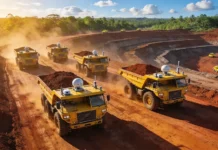
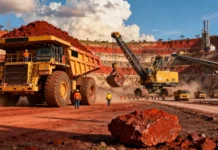
Mining fleet vehicles represent significant fuel consumers at remote sites. Haul trucks, light vehicles, and support equipment consume diesel fuel transported at great expense to remote locations. Hydrogen fuel cells can power fleet vehicles, replacing diesel consumption and reducing fuel logistics requirements.
Fuel cell haul trucks are now operational at several mining sites, demonstrating technical feasibility and operational reliability. Hydrogen-powered vehicles benefit from characteristics valuable in remote mining—zero emissions, reduced noise compared to diesel engines, reliable cold-weather operation in arctic mining regions, and instant throttle response. Companies manufacturing hydrogen haul trucks report expected lifespan and operating reliability comparable to diesel equipment.
Hydrogen refueling infrastructure at remote mining sites involves local hydrogen storage and dispensing equipment. A hydrogen refueling station uses pressurized hydrogen from storage, provides vehicle fueling interfaces, and integrates safety systems preventing dangerous leaks or accidents. Station design must account for harsh environmental conditions—temperature extremes, dust, vibration—common at mining sites.
Phased fleet conversion transitions mining operations from diesel to hydrogen over time. Rather than converting entire fleet simultaneously at enormous capital cost, mining operations might convert a portion of fleet vehicles first, then scale conversion as experience accumulates and hydrogen infrastructure proves reliable. This staged approach manages capital requirements and allows operations teams to develop expertise with new vehicle types before large-scale deployment.
Safety Considerations and Community Engagement
Hydrogen presents unique safety considerations requiring specific safety system design. Hydrogen is colorless, odorless, and burns with an invisible flame, creating hazards that don’t exist with diesel operations. Hydrogen detection systems provide early warning if leaks develop. Flame arrestors prevent hydrogen fires from propagating through fuel lines and storage systems. Ventilation systems prevent hydrogen accumulation in enclosed spaces. Safety training for operations staff and emergency responders is essential.
Community engagement becomes important when hydrogen systems are deployed at mining sites near populated areas. Hydrogen carries cultural associations with disaster—the Hindenburg airship explosion—that create perception of danger even though hydrogen actually has strong safety records in industrial applications when managed properly. Transparent communication about hydrogen safety, demonstration of safety systems, and education about actual hydrogen hazards reduces community concerns. Early stakeholder engagement prevents later opposition that could delay or derail hydrogen projects.
Environmental and occupational health benefits from hydrogen deployment often appeal to communities. Elimination of diesel emissions improves local air quality and worker health. Reduced fuel logistics in remote areas reduces environmental disruption from fuel transport. Supporting mining company sustainability commitments builds community acceptance. These benefits, properly communicated, support community approval for hydrogen initiatives.
Economic Analysis and Long-Term Cost Management
Remote mining hydrogen systems involve significant capital investment in renewable generation equipment, electrolyzers, hydrogen storage, fuel cells, and control systems. Capital costs vary substantially by site-specific conditions—solar and wind resources, water availability, equipment accessibility, and system requirements. Detailed feasibility studies quantify costs for specific mine environments.
Long-term operational economics strongly favor hydrogen systems despite high capital costs. Diesel independence eliminates logistics costs for fuel transport, often worth millions of dollars annually at large remote operations. Hydrogen production on-site at renewable-powered sites costs substantially less than diesel delivered through expensive remote supply chains. Over 10-20 year timeframes, cumulative fuel savings often exceed capital investment costs.
Hydrogen system lifespan and replacement requirements influence long-term economics. Electrolyzer stacks typically require replacement every 5-10 years. Fuel cell stacks have comparable lifetime. Battery systems require replacement every 8-10 years. Operations planning must budget for these replacements to maintain long-term system viability. Proper maintenance maximizes component lifespan and reduces unexpected replacement costs.
Financing mechanisms increasingly support remote mining hydrogen projects. Development banks and green finance institutions provide capital for renewable and hydrogen projects supporting developing country mining operations. Carbon credit monetization—selling emissions reduction credits from hydrogen adoption—provides additional revenue streams improving project economics. These financing options make hydrogen projects economically viable at more mining sites than pure operational economics alone would support.
Implementation Roadmap and Phased Deployment
Successful remote mining hydrogen implementation follows a phased approach beginning with detailed feasibility assessment. Energy audits quantify power demand across operations, identifying load profiles and growth trends. Renewable resource assessment uses satellite data and ground measurements to characterize solar and wind potential. Water availability assessment ensures sufficient water for electrolyzer operation, considering competing demands and arid region constraints. Technical feasibility assessment evaluates equipment performance in specific environmental conditions.
Pilot projects provide practical experience before full deployment. A small hydrogen system powering operations building and a few fleet vehicles demonstrates technical viability, generates operational experience, and builds organizational confidence. Pilots reveal integration challenges and operational requirements that planning studies might miss. Successful pilots provide proof-of-concept supporting business case for larger deployments.
Subsequent expansion phases add capacity and capability. Additional renewable generation enables larger electrolyzer operation and greater hydrogen production. Fleet vehicle conversions progress as operational experience accumulates and additional hydrogen production becomes available. Processing plant integration develops as system maturity improves. Phased approach manages capital requirements, spreads implementation risk, and allows organizations to build capabilities progressively.
Future Hydrogen Technology Development
Emerging technologies will improve remote mining hydrogen system economics and performance. Advanced electrolyzer designs operating more efficiently and requiring less water are under development. Improved fuel cell designs achieving higher efficiency and longer lifespan are progressing toward commercialization. Hydrogen storage innovations including ammonia-based systems and metal hydrides offer advantages for specific applications. These technology improvements will reduce hydrogen system costs and improve performance.
Integration of artificial intelligence into hybrid mining microgrids will enable increasingly sophisticated energy optimization. Machine learning systems will predict renewable generation and power demand, optimizing hydrogen production and storage operation. Anticipatory algorithms will schedule operations to minimize energy costs and maximize system efficiency. These intelligent systems will extract greater value from capital investments in hydrogen and renewable infrastructure.
Hydrogen infrastructure development in mining regions will reduce system costs through shared facilities and economies of scale. As multiple mining operations adopt hydrogen systems, hydrogen production and distribution networks serving multiple users will become economically viable. This infrastructure development will accelerate hydrogen adoption across mining industries.