








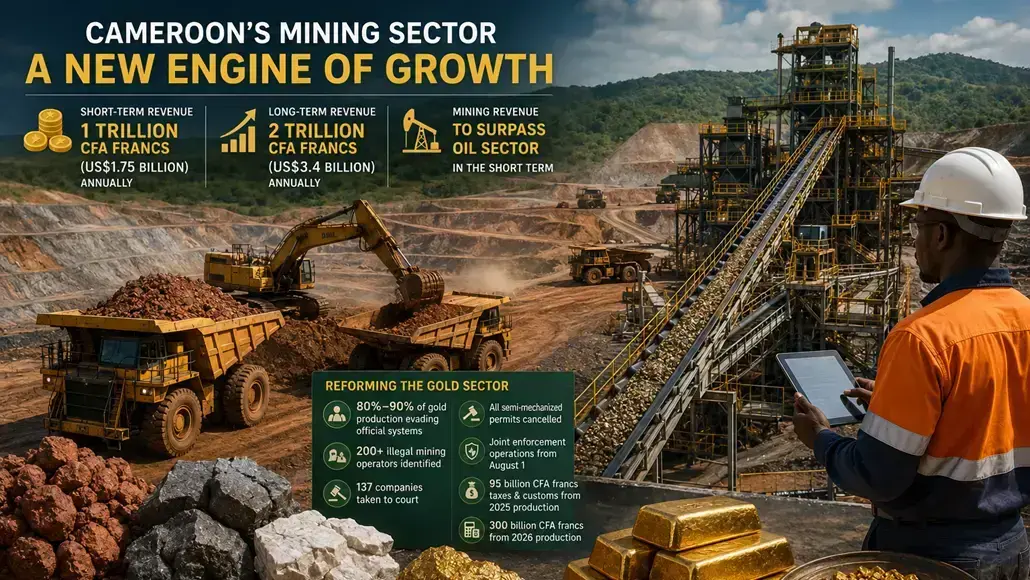

Cameroon’s new mining projects and recently revamped gold sector are expected to generate more than 1 trillion CFA francs or $1.75 billion in yearly earnings in the short term. This will lead to mining income surpassing dominant oil sector, the mines minister said.
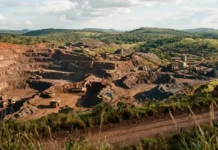
Cameroon has long depended on crude exports when it comes to its revenue and foreign exchange. But as it aims to diversify the economy, the government has stepped up initiatives to bring in investment into its largely undeveloped mining sector, focusing on the production of huge iron ore, bauxite, and gold as well as critical mineral deposits.
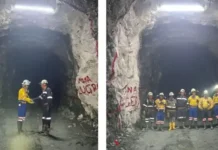
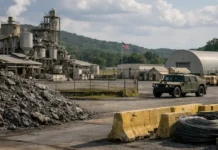
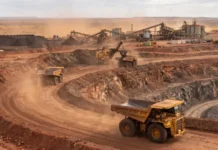
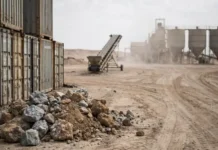
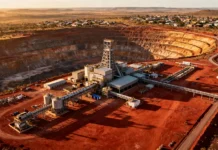
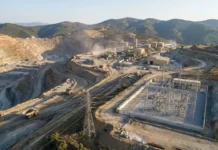
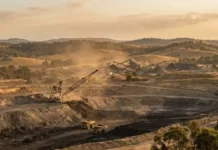
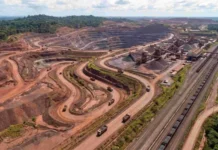
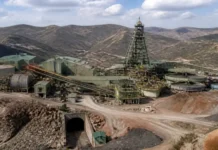
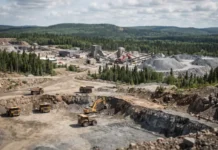
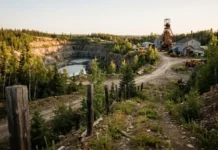
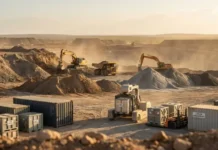
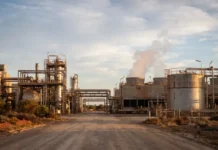
The minister of mines, Fuh Calistus Gentry, said at a press conference on July 15, 2026, that there are 5 major projects that have entered into production or are in the commissioning phase. They are the Minim-Martap bauxite mine, the Bipindi Grand-Zambi iron ore project, the Bidzar marble project, the Kribi-Lobé iron ore project, as well as the Colomine gold mine.
More upcoming iron ore projects at Mbalam, Nkout, and Ngovayang as well as the Mborguene, along with Bibemi gold projects, are projected to move forward during 2026, Gentry said.
It is well to be noted that African countries such as Ivory Coast, as well as Senegal, are increasingly resorting to mining as they look for ways to broaden their economies, increase exports, and draw investment away from the traditional sectors.
The mining income surpassing dominant oil sector along with the revenue forecast of Cameroon is also supported by a comprehensive reform of the gold sector, which seeks to seize large volumes of production that the authorities found had been evading official systems.
Before the overhaul drive, 80% to 90% of the gold mined by semi-mechanized miners was missing from the state’s collection, Gentry said.
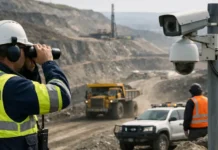
Over 200 illegal mining operators have been recognized, 137 companies have been taken to court, and all semi-mechanized permits for mining have been cancelled, waiting for the compliance evaluation. Joint enforcement operations start on August 1, with the government aiming to recover 95 billion CFA francs in taxes and customs from 2025 production as well as some 300 billion CFA francs from 2026 production, Gentry added.
Apparently, mining is an important growth driver for the Central African economy, with earnings from the mining sector expected to double over the longer term to roughly 2 trillion CFA francs or $3.4 billion per year from the production of rare earths and other critical minerals.