









Mali has directed CFA109 billion raised from its mining sector toward infrastructure development across the country, marking a substantial commitment to channelling mineral wealth into public services and national growth. The mali mining revenue allocation was confirmed by government officials as part of broader efforts to ensure that extractive industries contribute meaningfully to the country’s development agenda.
The funds, drawn from taxes, royalties and other levies collected from mining companies operating in the West African nation, represent one of the largest single allocations of mali mining revenue to infrastructure in recent years. Gold remains the dominant contributor to the country’s mining output, and the revenues generated from the sector have become a central pillar of government financing.
How The Mali Mining Revenue Was Raised
The CFA109 billion was accumulated through a combination of fiscal instruments applied to mining operations, including corporate taxes, royalty payments and various administrative fees. Mali’s government has been working to strengthen its revenue collection mechanisms within the mining sector, and the figure reflects the results of those ongoing efforts.
Officials indicated that improved oversight and compliance measures have helped boost the total mali mining revenue collected during the period. The government has sought to ensure that mining companies operating within its borders meet their fiscal obligations in full, and the CFA109 billion figure suggests progress on that front. Mali mining revenue continues to be viewed as a critical funding source for national priorities, particularly as the country faces significant infrastructure deficits in transport, energy and public services.
Infrastructure Projects Targeted For Investment
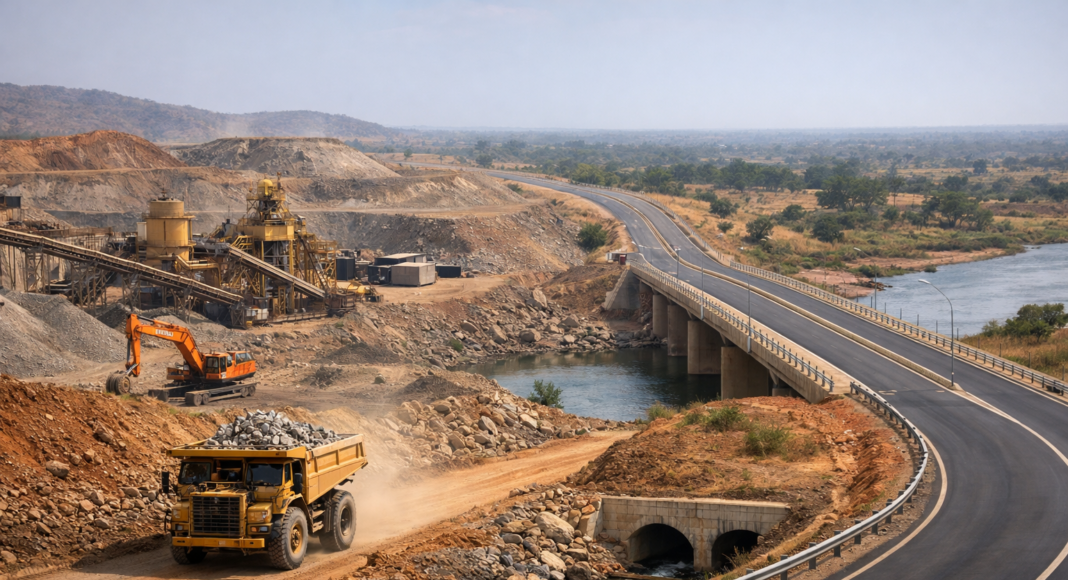
The allocated funds are set to finance a range of infrastructure projects across the country. Roads, bridges and public facilities are among the priority areas identified by the government for investment using the mali mining revenue. These projects are intended to improve connectivity between regions, support economic activity in remote areas and enhance access to essential services for communities nationwide.
The government has emphasised that directing mali mining revenue into tangible infrastructure represents a deliberate policy choice aimed at ensuring citizens see direct benefits from the country’s mineral resources. Transport infrastructure, in particular, has been highlighted as a key area of need, with many parts of the country lacking adequate road networks to support trade and movement.
By channelling the CFA109 billion into development projects, authorities aim to address longstanding gaps in public infrastructure while demonstrating that the mining sector can serve as an engine for broader national progress. The scale of the allocation underscores the importance of mining to Mali’s fiscal position and the government’s determination to translate extractive wealth into lasting public assets.
Government Policy And Next Steps
Government officials have signalled that the CFA109 billion allocation is part of a wider strategy to reform how mali mining revenue is managed and deployed. The approach reflects a growing emphasis on transparency and accountability in the use of funds derived from natural resources, with authorities committed to ensuring that revenues reach the communities and sectors where they are most needed.
Looking ahead, the government has indicated that it will continue to pursue reforms within the mining sector aimed at maximising revenue collection and ensuring equitable distribution of benefits. Further infrastructure investments funded by mali mining revenue are expected as the country seeks to build on the momentum established by this latest allocation.
The announcement positions Mali among a growing number of African nations actively working to leverage their mineral endowments for domestic development, with infrastructure spending serving as the primary vehicle for converting underground wealth into above-ground prosperity for citizens across the country.