







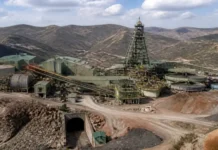
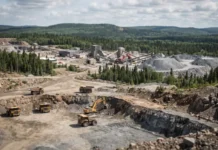

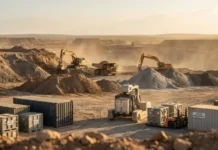

The global mining industry is undergoing a profound transformation as it seeks to align with the dual goals of operational efficiency and environmental sustainability. At the forefront of this change is the rapid adoption of battery-electric mining equipment, a technological leap that is fundamentally altering how mine operations are conducted. For decades, the industry has relied on diesel-powered machines to haul, load, and drill in some of the world’s harshest environments. While effective, these internal combustion engines bring significant challenges, including high fuel costs, substantial carbon emissions, and the health risks associated with diesel particulate matter. The shift toward electric mining machinery represents a historic pivot, promising a future of diesel-free mining operations that are safer, cleaner, and more productive. This transition is not merely about swapping an engine for a battery it is a holistic reimagining of the mining fleet and its impact on the entire mine ecosystem.
The Operational Case for Mining Fleet Electrification
The primary driver for the adoption of battery-powered mining vehicles is the immediate and dramatic improvement in the underground working environment. In traditional underground mining, diesel engines generate immense amounts of heat and toxic exhaust, necessitating massive and expensive ventilation systems to maintain air quality and safe temperatures. By transitioning to battery-electric mining equipment, these emissions are eliminated at the source. This reduction in heat and fumes significantly lowers the load on ventilation infrastructure, often resulting in energy savings that can reach up to 50% of the total underground power consumption. This synergy between vehicle electrification and ventilation efficiency is a key component of sustainable mining technology and a major factor in the economic viability of new underground projects.
Beyond ventilation, electric mining equipment offers superior performance characteristics compared to its diesel counterparts. Electric motors provide full torque instantaneously, which is particularly beneficial for heavy-duty haulage on steep inclines. This leads to faster cycle times and increased productivity, as battery-electric loaders and trucks can maintain higher speeds on ramps than traditional vehicles. Furthermore, the regenerative braking systems found in electric mining machinery allow the vehicles to capture energy when traveling downhill, recharging the batteries and reducing wear on mechanical brakes. This efficiency not only lowers energy costs but also extends the life of critical components, contributing to a lower total cost of ownership.
Advancing Underground Mining Equipment and Health Standards
The health and safety benefits of underground mining equipment that is battery-powered cannot be overstated. Exposure to diesel particulate matter (DPM) has long been a concern for miners, linked to various respiratory and cardiovascular issues. The elimination of these particulates through electrification creates a significantly healthier workplace, helping mining companies meet and exceed increasingly stringent occupational health regulations. By providing a cleaner and quieter environment, battery-electric mining equipment also enhances operator comfort and reduces fatigue, which are essential factors in maintaining safety and productivity over long shifts.
The transition to a diesel-free mining operation also simplifies the logistics of fuel management. Transporting and storing large volumes of diesel fuel in deep underground mines is a complex and high-risk task. With electric vehicles, the “fuel” is delivered via the existing electrical grid to strategically located charging or battery-swapping stations. This reduces the risk of fires and spills associated with fuel handling and eliminates the need for expensive fuel delivery infrastructure. As battery technology continues to mature, offering higher energy density and faster charging times, the operational advantages of electric mining machinery will only become more pronounced.
Battery Technology and Charging Infrastructure Strategies
A critical aspect of successful mining fleet electrification is the selection of the right battery and charging strategy. Currently, there are two main approaches: fast-charging and battery swapping. Fast-charging allows vehicles to plug into high-power stations during breaks or at specific points in the cycle, while battery swapping involves replacing a depleted battery with a fully charged one in a matter of minutes. Each method has its pros and cons depending on the mine layout, the type of equipment, and the operational requirements. For example, large haul trucks may benefit from battery swapping to minimize downtime, while smaller auxiliary vehicles might be more suited to opportunistic fast-charging.
The infrastructure required to support these systems is a central part of modern mine design. This includes robust high-voltage distribution networks and sophisticated battery management systems (BMS) that monitor the health and performance of the fleet in real-time. By integrating this data with the mine’s overall digital energy management system, operators can optimize charging schedules to avoid peak power tariffs and ensure that the fleet is always ready for work. The development of standardized charging protocols and modular battery designs is also a key trend, allowing for greater interoperability between different brands of electric mining equipment.
The Economic and Strategic Impact on Mine Operations
The financial case for battery-electric mining equipment is becoming increasingly compelling as the costs of batteries and power electronics continue to fall. While the initial capital expenditure (CAPEX) for an electric vehicle is currently higher than for a diesel equivalent, the operational expenditure (OPEX) is significantly lower. These savings are driven by the elimination of diesel fuel costs, lower maintenance requirements, and the aforementioned reduction in ventilation energy. In many cases, the total cost of ownership (TCO) for electric machinery becomes competitive with diesel over the first few years of operation, particularly in deep or remote mines where energy and fuel costs are high.
Strategically, the move toward sustainable mining technology is essential for future-proofing mining assets. Governments worldwide are introducing carbon taxes and stricter emission limits, and investors are increasingly prioritizing Environmental, Social, and Governance (ESG) performance. A mine that operates with a diesel-free fleet is better positioned to navigate these regulatory and financial pressures, securing its long-term viability and social license to operate. Furthermore, the use of electric vehicles can improve a company’s reputation and help attract the next generation of tech-savvy mining professionals who are looking for careers in a modern and responsible industry.
Overcoming Barriers to Full-Scale Adoption
Despite the clear benefits, the path to a fully electrified mining fleet is not without challenges. One of the primary hurdles is the energy density of current batteries, which can limit the range and runtime of heavy-duty equipment in high-demand applications. However, rapid advancements in solid-state batteries and other chemistries are promising to address these limitations in the near future. Another challenge is the requirement for specialized technical skills to maintain and repair advanced electric drivetrains and battery systems. Mining companies must invest in comprehensive training programs to upskill their mechanical and electrical teams for the new era of electric mining machinery.
Integrating electric vehicles into an existing mine also requires careful planning to ensure the electrical grid can handle the increased load. This may involve upgrading substations and distribution lines, or in the case of remote sites, developing on-site renewable energy and storage systems. These infrastructure projects can be capital-intensive and require long lead times. However, the convergence of electrification, automation, and digitalization is creating new opportunities to manage these complexities, turning the challenges of the transition into a competitive advantage for those who act decisively.
The Role of Automation in Maximizing Electric Fleet Efficiency
The synergy between battery-electric mining equipment and automation is a powerful driver of efficiency. Electric vehicles are inherently easier to automate than their diesel counterparts, as their electronic control systems can be directly integrated with autonomous software. An automated electric fleet can operate with extreme precision, optimizing speed and energy consumption to maximize battery life and throughput. Furthermore, automated charging and swapping systems can further reduce downtime and eliminate the need for human intervention in hazardous areas.
The combination of electrification and automation also allows for the implementation of “swarming” concepts, where multiple smaller electric vehicles work together to replace a few massive diesel units. This approach offers greater flexibility and resilience, as the failure of one unit has a minimal impact on overall production. By leveraging these advanced technologies, mining companies can create a highly efficient, low-carbon, and safe operational environment that sets a new standard for the industry.
Future Outlook: Toward a Fully Electric Mining Ecosystem
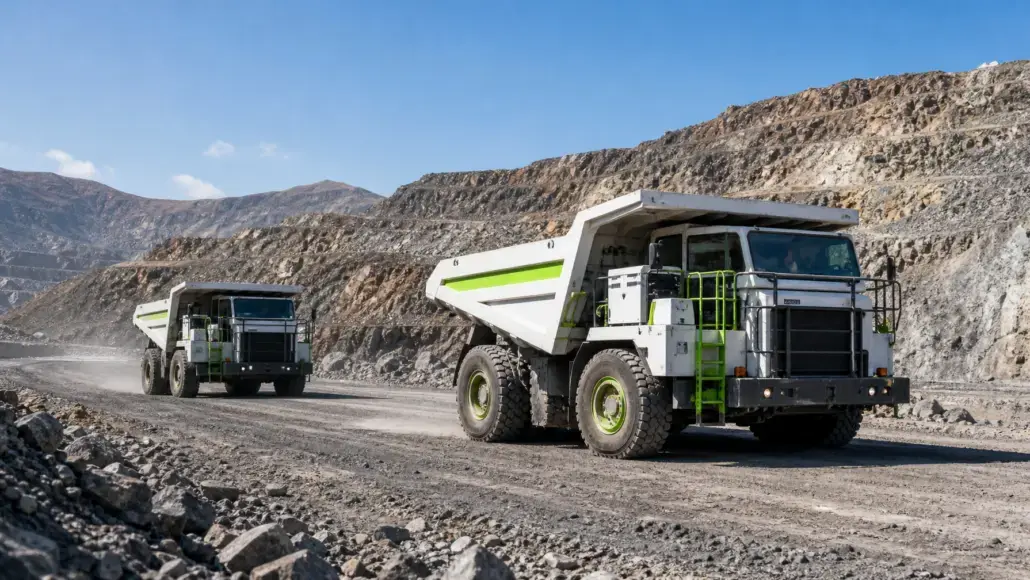
As we look toward the future, the trend of mining fleet electrification is set to accelerate. We are seeing the emergence of entirely new mine designs so-called “green mines” that are built from the ground up to be fully electric and automated. These mines will feature zero-emission transport, electrified processing, and 100% renewable power, representing the ultimate goal of sustainable mining technology. The lessons learned from pioneering underground operations are now being applied to open-pit mining, where massive electric haul trucks and trolley-assist systems are beginning to displace diesel power on a grand scale.
The shift to battery-electric mining equipment is a global movement, with leading manufacturers and mining companies collaborating to push the boundaries of what is possible. By embracing these innovations and focusing on the total impact on mine operations, the industry can significantly reduce its carbon footprint while enhancing its economic performance. The journey to a diesel-free future is a complex and long-term endeavor, but the rewards for the industry, its workers, and the planet are immense. Through a commitment to electrification and sustainability, the mining sector will continue to provide the essential materials for the modern world in a way that is fit for the challenges of the 21st century.
In conclusion, the rise of battery-electric mining equipment is a transformative force in the global mining industry. By replacing diesel with electric mining machinery and battery-powered mining vehicles, companies are creating safer, cleaner, and more efficient mine operations. The impact on ventilation, health, and operational costs is profound, making a compelling case for the transition to diesel-free mining operations. As technology continues to advance and the industry embraces sustainable mining technology, the vision of a fully electric mining ecosystem is rapidly becoming a reality, ensuring a resilient and responsible future for the sector.