




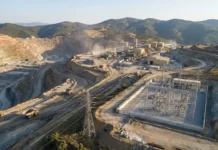
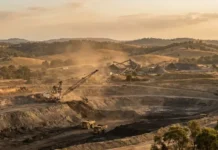
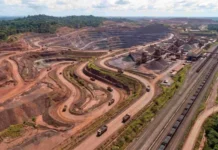
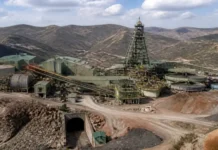
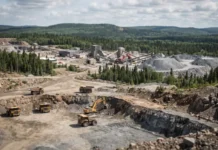
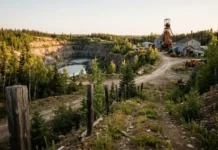
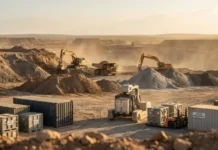
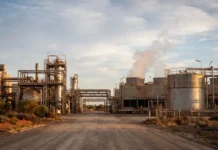

The global mining industry stands at a pivotal crossroads, facing dual pressures to increase production of critical minerals while drastically reducing its environmental footprint. At the heart of this transition is the electrification of mineral processing plants, a strategic shift that promises to redefine the economic and operational landscape of the sector. For decades, mineral processing has been synonymous with high energy intensity, often accounting for a substantial portion of a mine site’s total operational expenditure. The reliance on legacy systems, frequently powered by fossil fuels or inefficient electrical grids, has left many operations vulnerable to fluctuating energy prices and tightening carbon regulations. However, the emergence of advanced electrification technologies is now providing a viable path to decouple mineral production from high energy costs and carbon emissions.
The Economic Imperative for Electrification in Modern Mining
The primary driver behind the move toward electrified mineral processing plants is the undeniable economic benefit. Energy costs in mining are not merely a line item they are a critical factor in determining the cut-off grade of an ore body and the overall lifespan of a mine. As ore grades decline globally, the volume of material that must be processed to recover the same amount of metal increases, naturally driving up energy consumption. Electrification addresses this by introducing equipment that operates at significantly higher efficiency levels than traditional thermal or hydraulic systems. Electric motors, for instance, can convert over 90% of electrical energy into mechanical work, whereas internal combustion engines often struggle to reach 30-40% efficiency. This massive gain in efficiency translates directly into lower kilowatt-hours per ton processed, offering a shield against rising energy tariffs.
Furthermore, the volatility of diesel and gas prices introduces significant risk into long-term financial planning. By electrifying the processing plant, mining companies can transition their energy exposure to the electricity market, which is generally more stable and offers more opportunities for long-term hedging through Power Purchase Agreements (PPAs). This shift not only lowers the absolute cost of energy but also improves the predictability of operational expenditures, a factor highly valued by investors and stakeholders alike. In many jurisdictions, the implementation of carbon pricing mechanisms further tips the scales in favor of electrified mineral processing plants, as the cost of emissions becomes a direct financial liability for those still reliant on fossil fuels.
Scaling Efficiency Through High-Performance Electric Infrastructure
Beyond individual components, the holistic electrification of a processing plant allows for better integration with smart grid technologies and renewable energy sources. When a facility is fully electrified, it becomes easier to implement digital energy management systems that optimize load balancing and peak shaving. These systems can shift energy-intensive tasks to periods when power is cheaper or when onsite renewable generation is at its peak. This level of control is virtually impossible with diesel-powered or decentralized legacy systems. Furthermore, electrified mineral processing plants benefit from reduced maintenance costs. Electric motors have fewer moving parts, require no fuel handling or exhaust treatment, and typically enjoy much longer service intervals than their fossil-fuel-powered counterparts. Over the lifecycle of a processing plant, these savings in maintenance and downtime can be just as significant as the direct energy cost reductions.
The infrastructure required to support electrification, such as robust substations and high-voltage distribution networks, also facilitates the adoption of other advanced technologies. For example, the presence of a reliable electrical backbone makes it feasible to implement automated haulage systems and tele-remote operations, which further enhance safety and productivity. The synergy between electrification and automation creates a “force multiplier” effect, where the benefits of one technology enhance the performance of the other. In the processing plant specifically, electrification enables the use of precision sensing and actuation, allowing for finer control over reagent addition, flotation kinetics, and thickening rates, all of which contribute to higher mineral recovery and lower waste.
Strategic Implementation of Variable Speed Drives and Smart Control
A cornerstone of achieving mining energy efficiency within an electrified plant is the widespread application of Variable Speed Drives (VSDs). In traditional processing setups, pumps and fans often run at constant speeds, with flow regulated by mechanical throttles or bypasses a process that wastes immense amounts of energy. By utilizing VSDs, operators can match the speed of the motor precisely to the process requirements at any given moment. In a large-scale flotation circuit or a thickening process, the cumulative energy savings from VSDs across hundreds of motors can reach double-digit percentages. This technological integration is an essential component of electrification in mining, ensuring that power is consumed only when and where it is needed, thereby lowering the total mining energy consumption.
The deployment of VSDs also reduces mechanical stress on equipment by providing “soft starts” and “soft stops,” which extends the life of belts, gears, and bearings. This reduction in mechanical wear further contributes to lower maintenance costs and higher plant availability. In the context of mineral processing, where downtime can cost thousands of dollars per hour, the reliability gains from electrification are paramount. When combined with intelligent control algorithms, VSD-equipped motors can respond dynamically to changes in ore hardness or throughput, maintaining optimal process conditions without manual intervention.
Advancing Comminution Efficiency Through Electrified Stirred Mills
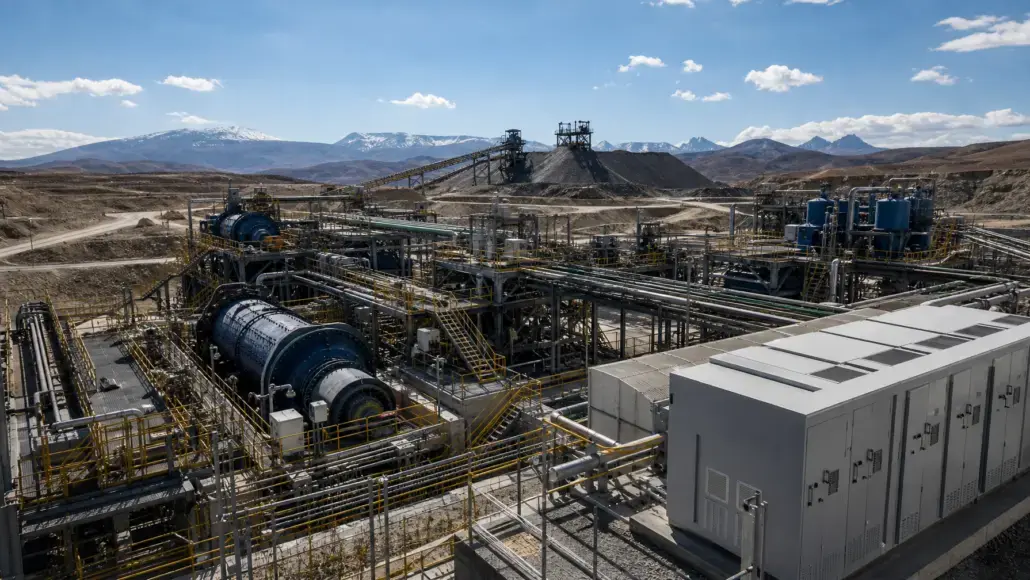
Moving deeper into the technical aspects of the plant, comminution the crushing and grinding of ore is where electrification can have its most profound impact. Traditional ball and SAG mills are massive energy consumers and are relatively inefficient in terms of energy applied to breakage. Electrified stirred mills and vertical mills represent a major leap forward. These systems use internal agitation rather than tumbling the entire mill shell, allowing for much higher energy density and more efficient particle size reduction. By integrating these electrified systems, plants can reduce their comminution energy intensity by up to 30-50% compared to traditional circuits. This is a critical factor in managing the overall energy costs in mining, especially as mines process increasingly harder and lower-grade ores.
Sustainable Mineral Processing and Carbon Mitigation
Environmental stewardship is no longer an optional component of mining it is a prerequisite for maintaining a social license to operate. The transition to electrified mineral processing plants is the most effective way for the industry to achieve its net-zero targets. By shifting the energy source from diesel or onsite gas generation to electricity, mines can leverage the ongoing greening of the national grid or, more effectively, invest in their own renewable energy infrastructure. Low-carbon mining operations are increasingly defined by their ability to eliminate Scope 1 and Scope 2 emissions. Electrification provides the bridge to carbon neutrality, as the environmental profile of the plant improves automatically as the energy mix becomes cleaner.
The push for sustainability is also coming from the downstream supply chain. Manufacturers of electric vehicles, smartphones, and renewable energy components are coming under increasing pressure to ensure their raw materials are sourced responsibly. Mining companies that can demonstrate a low carbon intensity per ton of metal produced through electrification will enjoy a competitive advantage in securing long-term supply contracts with these premium customers. In this sense, electrification is not just a cost-saving measure it is a strategic positioning tool in a world where carbon footprints are becoming as important as financial statements.
Addressing the Comminution Energy Challenge
As noted, comminution is the most energy-intensive stage, often consuming more than 50% of a mine site’s total electricity. Electrification offers unique opportunities to optimize this stage through advanced comminution technologies such as High-Pressure Grinding Rolls (HPGR). HPGR units use compression rather than impact to break ore, which is inherently more energy-efficient. By integrating these systems into an electrified mineral processing plant, operators can achieve higher throughput with lower energy inputs. The shift toward these technologies is a clear example of how mineral processing plant electrification is not just about changing the power source, but about rethinking the entire process flow to maximize efficiency and sustainability.
Furthermore, the heat generated during comminution and other electrified processes can potentially be captured and repurposed. In a fully electrified plant, the integration of heat pumps and thermal recovery systems becomes more straightforward. This waste heat can be used to pre-heat reagents, maintain temperatures in leaching tanks, or even provide space heating for facilities in cold climates. This circular approach to energy use further lowers the total power demand of the operation, contributing to a more sustainable mineral processing model.
The Role of Data in Maximizing Electrified Plant Performance
The full potential of an electrified plant is only realized when it is paired with robust data analytics. Electric systems are inherently easier to monitor and control than mechanical ones. Sensors can provide real-time feedback on motor health, power quality, and energy consumption at a granular level. This data allows for predictive maintenance, preventing costly unplanned outages and ensuring that the plant operates at its peak efficiency point. In the context of energy costs in mining, the ability to identify and rectify energy leaks or process inefficiencies in real-time is a powerful competitive advantage.
Digital energy management systems can also facilitate participation in “demand response” programs. In regions with strained electrical grids, mining companies can be compensated for reducing their power consumption during peak times. A fully electrified and automated plant can respond to these signals in seconds, adjusting non-critical loads to help stabilize the grid while generating additional revenue or credits. This level of flexibility is a hallmark of modern mining energy consumption strategies and highlights the multi-faceted benefits of electrification.
Future-Proofing Mining Operations Through Total Electrification
As we look toward the future of the industry, the trend is clear: the future of mining is electric. Governments are increasingly implementing carbon taxes and stringent emission limits, while investors are prioritizing ESG performance. Electrified mineral processing plants are not just an operational preference but a strategic necessity for future-proofing assets. The initial capital investment required for electrification is often offset by the rapid payback periods driven by energy savings and carbon credit generation. Moreover, as battery technology and long-term energy storage improve, electrified plants will be able to operate entirely independently of the grid, using 100% renewable power generated on-site.
The transition to electrification also improves the work environment for mining personnel. Electric processing plants are generally quieter and cleaner than those reliant on fossil fuels. The elimination of diesel fumes from onsite generation or auxiliary equipment improves air quality, which is particularly beneficial in underground or enclosed processing environments. By creating a safer and more pleasant workplace, electrification helps mining companies attract and retain the skilled talent needed to manage the complex technologies of the future.
Overcoming Challenges to Full-Scale Electrification
While the benefits are clear, the path to full electrification is not without its hurdles. One of the primary challenges is the availability of high-capacity grid connections, especially for remote mine sites. In these cases, the development of microgrids combining solar, wind, and battery storage with high-efficiency electric processing equipment is the most viable solution. Another challenge is the requirement for specialized technical skills to maintain and optimize advanced power electronics and control systems. Mining companies must invest in training and upskilling their workforce to thrive in this new electrical era.
Despite these challenges, the momentum behind electrified mineral processing plants is unstoppable. The convergence of technological maturity, economic viability, and environmental urgency has created a compelling case for change. Those companies that act decisively to electrify their processing operations today will be the ones that lead the industry tomorrow, providing the essential materials for a low-carbon world at the lowest possible cost.
In conclusion, the shift toward electrified mineral processing plants represents a fundamental evolution in how we extract and refine the materials required for the modern world. By focusing on mining energy efficiency and embracing electrification in mining, companies can significantly reduce energy costs in mining while building low-carbon mining operations. The journey toward a fully electrified and sustainable mineral processing industry is complex, but the rewards economic, environmental, and operational are too great to ignore. The integration of high-efficiency electric motors, advanced control systems, and renewable energy will ensure that the mining industry remains a resilient and responsible pillar of the global economy for decades to come.