




Brazil and South Korea are deepening their mining cooperation with a sharp focus on critical minerals, signaling a new chapter in bilateral resource diplomacy that is expected to gain further momentum heading into 2026. The two nations have been working to formalize agreements and joint ventures that center on securing stable supply chains for minerals essential to the global energy transition.
The growing alignment between Brazil and South Korea on critical minerals mining cooperation reflects broader global competition for resources like lithium, rare earth elements, nickel, and cobalt. These materials are indispensable for manufacturing electric vehicle batteries, semiconductors, renewable energy infrastructure, and advanced defense systems. Both countries see strategic value in partnering rather than competing in a market increasingly shaped by geopolitical tensions and supply chain vulnerabilities.
Why Brazil and South Korea Are Partnering on Critical Minerals
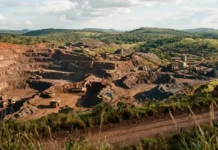
Brazil holds one of the world’s most diverse mineral reserves, with vast deposits of lithium, niobium, rare earths, and other strategically important resources. The country has been actively seeking foreign investment and technology transfer to develop these assets more efficiently, while also adding more value domestically through downstream processing rather than raw material exports alone.
South Korea, on the other hand, is a major manufacturing economy with heavy dependence on imported raw materials. The country’s electronics, automotive, and battery sectors require a steady and diversified supply of critical minerals. By forging a strategic partnership with Brazil, South Korea aims to reduce its reliance on any single supplier and build more resilient supply chains for its industries.
This mining cooperation between Brazil and South Korea builds on years of diplomatic engagement. High-level meetings between government officials and industry leaders from both nations have resulted in memoranda of understanding, investment commitments, and frameworks for joint mineral exploration and processing projects.
Key Agreements and Joint Ventures Taking Shape
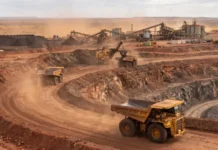
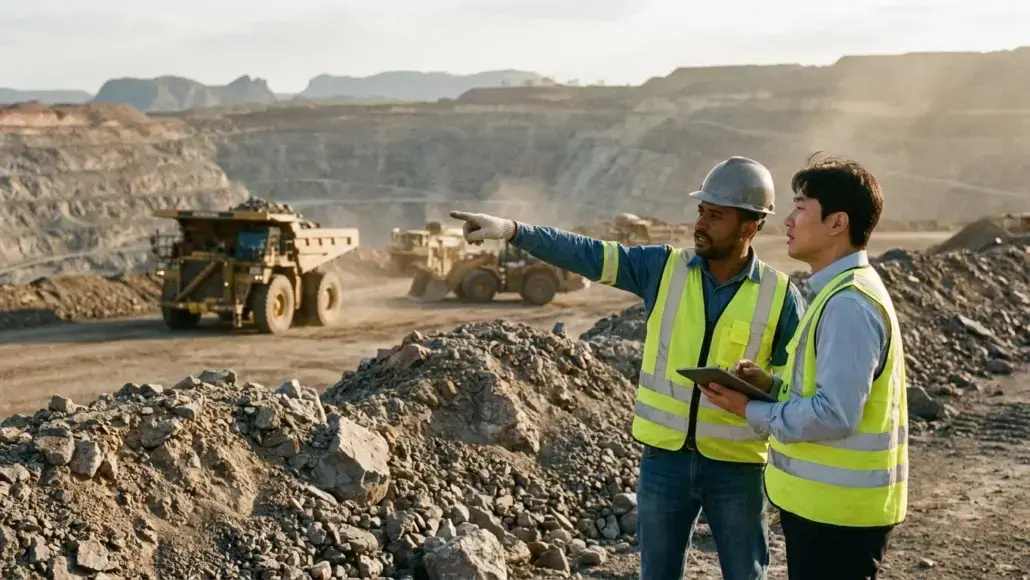
Several concrete initiatives are driving the critical minerals mining cooperation forward. South Korean companies have been increasing their presence in Brazil’s mining sector, exploring opportunities in lithium extraction, rare earth processing, and nickel production. These ventures often pair South Korean technological expertise and capital with Brazilian geological assets and local knowledge.
Government-backed institutions on both sides have facilitated introductions between private sector players, helping to accelerate deal-making. Brazilian mining authorities have expressed interest in attracting South Korean investment not just for extraction but also for building refining and processing capacity within Brazil. This aligns with Brazil’s broader economic strategy of moving up the value chain in its mining sector.
South Korean firms involved in battery manufacturing and electronics have been particularly active, viewing Brazil as a long-term source of raw materials that can help them maintain competitiveness in global markets. The partnership model being pursued emphasizes mutual benefit, with technology sharing, workforce training, and infrastructure development forming key pillars alongside mineral supply agreements.
Supply Chain Security in a Shifting Global Landscape
The urgency behind this critical minerals mining cooperation is driven in part by the rapidly changing global supply chain landscape. Concentration of mineral processing in a small number of countries has raised concerns among manufacturing nations about potential disruptions. South Korea has identified diversification of mineral sources as a national priority, and Brazil represents one of the most promising partners in this effort.
For Brazil, the partnership offers access to advanced mining and processing technologies, as well as guaranteed offtake agreements that provide revenue certainty for new projects. The country’s regulatory environment has also been evolving to make it more attractive for foreign investors in the mining sector, with streamlined permitting processes and clearer guidelines for environmental compliance.
Both nations have also discussed collaboration on sustainable mining practices. As environmental, social, and governance standards become more important in global mineral supply chains, Brazil and South Korea see an opportunity to set benchmarks for responsible extraction and processing that could serve as models for other partnerships around the world.
Looking Ahead to 2026 and Beyond
The trajectory of Brazil and South Korea’s mining cooperation on critical minerals points toward deeper integration in the coming years. Both governments have signaled their intent to expand the scope of their partnership, potentially bringing in additional minerals and extending cooperation into areas like mineral recycling and circular economy initiatives.
Industry observers note that the scale of Brazil’s untapped mineral reserves, combined with South Korea’s manufacturing demand, creates natural complementarity that could sustain this strategic partnership well beyond 2026. As global demand for critical minerals continues to rise in step with the energy transition, the collaboration between these two nations is positioned to deliver tangible benefits for both economies.
The continued strengthening of this mining cooperation underscores how critical minerals have moved to the center of international economic diplomacy. For Brazil and South Korea, the partnership represents a practical and forward-looking approach to supply chain security that serves the strategic interests of both countries.