


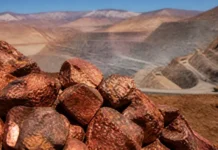
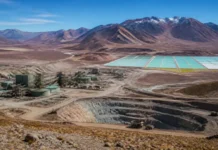





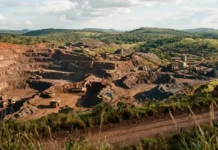
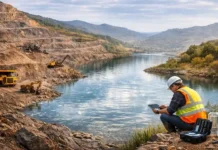
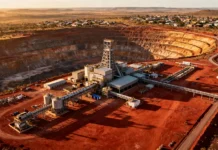
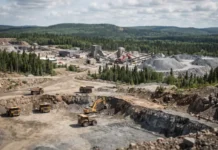
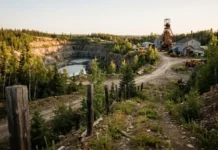
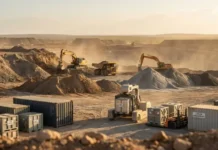
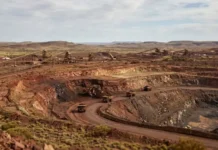
Akyem is an open-pit gold mine located in Birim North District in the Eastern region of Ghana, the seventh biggest gold producing country in the world. The mine is wholly-owned and operated by Newmont Mining Corporation, and commenced production in October 2013. It is Newmont’s second mining operation in Ghana after the Ahafo gold mine in Brong Ahafo Region.
The Akyem mine site covers a total area of 1,903ha of which, 74ha lies in the Ajenjua Bepo Forest Reserve. Newmont received mining lease for the project in 2010 and developed it with an estimated investment of $950m. Mining activities at the site started in August 2012.
The mine employs 1,300 workers and contractors belonging mostly to the communities within the mining area. The estimated mine life of the Akyem open-pit is 16 years. The annual average gold production during the initial five years is expected to be 450,000 ounces (oz).
Akyem gold mine geology and reserves
The Akyem deposit lies within a shear zone created by gradational contact between Birimian sedimentary rocks and the mafic metavolcanic rocks on the northern portion of the gold-bearing East Ashanti Belt in Ghana.
“The deposit is estimated to contain 7.4million ounces (moz) of proven and probable gold reserves as of December 2012.”
The deposit is estimated to contain 7.4million ounces (moz) of proven and probable gold reserves as of December 2012.
Open-pit mining and ore processing at Akyem
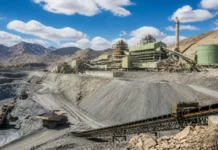
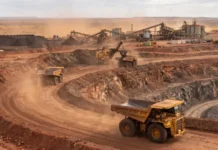
The Akyem open-pit mine comprises of two lobes occupying a total area of 139ha. The open-pit mining operation employs drilling and blasting techniques for ore extraction. The extracted ore is loaded into haul trucks using shovels and backhoes. The waste rock is transported by haul roads to select disposal areas in the open-pit. The useful ore is transported to the processing plant, built over an area of 85ha within the mine site.
“The useful ore is transported to the processing plant built over an area of 85ha within the mine site.”
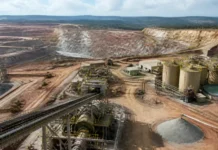
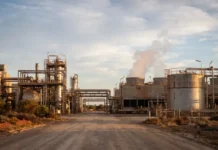
The Akyem gold processing plant has the capacity to treat 8.8million tonnes of ore a year, including both run-of-mine (ROM) primary ore and oxide ore. The processing facilities at the plant include primary and secondary crushers, a semi-autogenous grinding (SAG) mill, hydrocyclones, a ball mill, leach-feed thickening tanks, a Carbon-in-Leach (CIL) circuit, a cyanide recovery circuit, carbon recovery systems, and a refining facility to produce gold.
The essential chemicals and reagents used by the processing facility include lime, sodium cyanide, caustic, hydrochloric acid, activated carbon, hydrogen peroxide, and flocculants. Tailings from the processing plant are transported to the nearby tailings storage facility via an above ground pipe placed in a high-density polyethylene lined trench.
Ancillary facilities at the mine
The mine complex includes a waste management plant to handle waste, including llubricants, diesel fuel, oily water, sewage, solid waste, explosives, chemicals, containers and drums, as well as medical waste.
A 2.29million m3 water storage facility covering 56ha was constructed between the processing plant and the tailings storage facility.
Five sediment control structures at the complex collect sediment and runoff from upstream construction and mining activity sites. A surface water diversion system was also constructed to arrest and redirect natural run-on water flowing into the mine pit, tailings storage facility, waste rock disposal facility, and the ore stockpiles.
A general and mine administration building is built adjacent to the processing plant.
Power is supplied by a 34.5kV overhead line system that connects Nkawkaw and Kwae passing through the mining area.