





The European Commission has announced a €200 million investment package for Greenland under its Global Gateway initiative, with a significant focus on Critical Raw Materials, digital connectivity, clean energy, housing, and sustainable tourism. The package, set to be executed between 2026 and 2027, signals the European Union’s deepening engagement with Greenland as a partner in securing sustainable mineral supply chains.
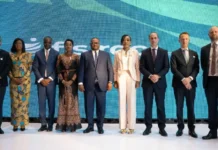
European Commission President Ursula von der Leyen signed a new joint declaration with Greenlandic Prime Minister Jens-Frederik Nielsen and Danish Prime Minister Mette Frederiksen during a visit to Nuuk, updating the cooperation framework that had been in place since 2015. The revised agreement expands the scope of EU-Greenland-Denmark relations to cover infrastructure, clean energy production, digital connectivity, and sustainable raw materials alongside longstanding areas of collaboration such as education, fisheries, and the environment.
Mining Support Targets Graphite and Molybdenum Value Chains
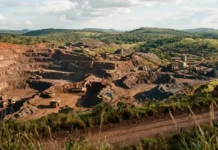
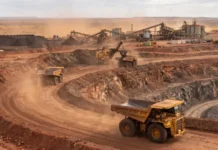
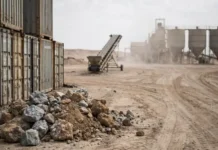
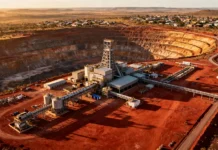
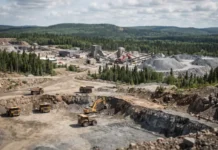
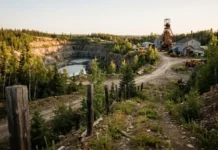
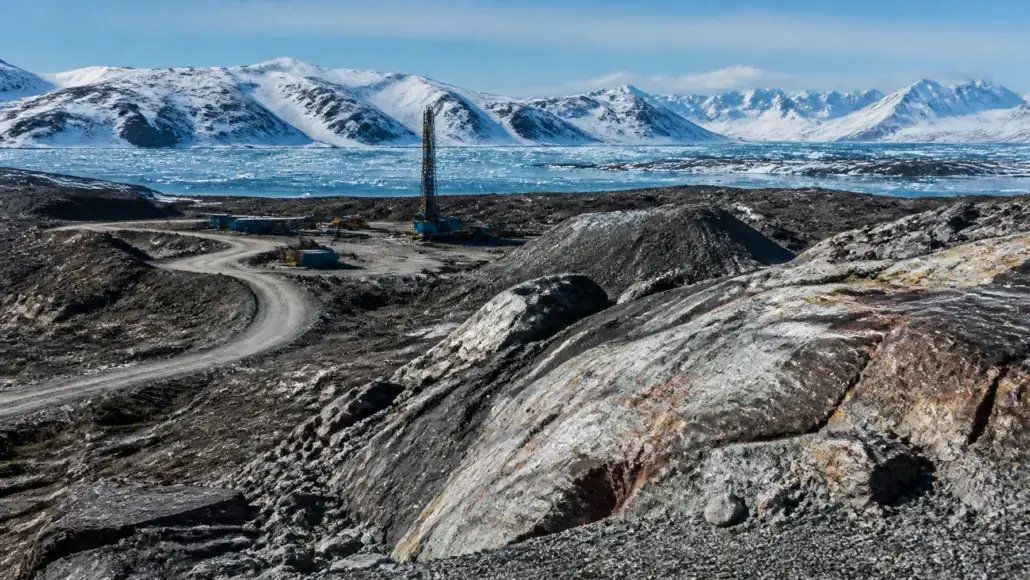
Within the broader €200 million package, a dedicated portion of the funds will be directed toward promoting sustainable mining projects connected to European industry. Rather than financing mine construction directly, the EU’s approach centers on conducting technical analyses and attracting investors to build what the Commission described as more integrated and resilient value chains for Critical Raw Materials.
The Commission cited graphite and molybdenum as examples of Greenland’s mineral potential, noting that collaboration on these resources could contribute to strengthening supply security for European industries. The European Commission and the Greenlandic Government have agreed on an initial list of projects, with additional investments from the package currently being assessed.
Beyond mining, the investment will also support the expansion of Greenland’s satellite communications capacity through European providers over the next five years, and fund feasibility studies for establishing data centers on the island. Clean energy investments will back a program by Greenland’s energy company Nukissiorfiit to modernize and decarbonize electricity supply in remote locations using hybrid renewable energy systems. The remaining resources will prepare new programs in sustainable tourism and housing, both identified as priorities for economic diversification and growth on the island.
Proposed Budget Increase Signals Long-Term EU Commitment
Looking further ahead, the European Commission has proposed allocating €530 million for Greenland in the EU budget covering 2028 to 2034. This represents more than double the €225 million assigned under the current 2021–2027 financial framework. It is important to note that this larger figure remains a proposal and has not yet been formally approved.
The updated cooperation framework between the EU, Greenland, and Denmark reflects a growing recognition of Greenland’s strategic importance for European supply chains and Arctic engagement. By channeling support through technical assistance, investor attraction, and infrastructure development, the EU aims to foster sustainable mining activity on the island while ensuring that Critical Raw Materials value chains become more resilient. The expanded investment scope, covering everything from clean energy to digital connectivity, underscores a comprehensive approach to partnering with Greenland on long-term economic development rooted in sustainability.