











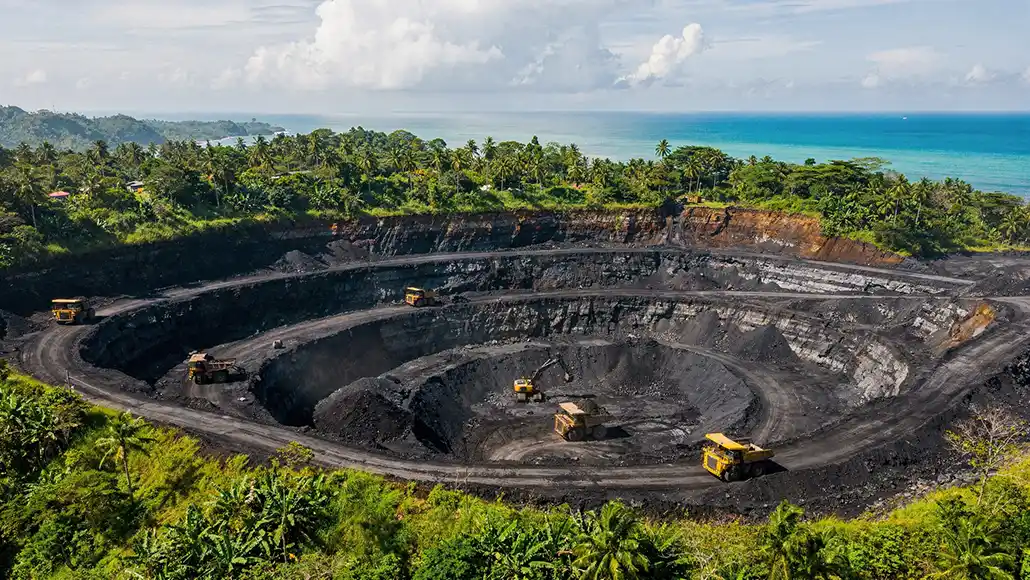

The Department of Energy – DOE of the Philippines on February 18, 2026, confirmed that it is going to be bidding out on February 27, 2025, a total of 18 coal blocks throughout three specific geographic areas when it comes to development and production in order to support energy security and, along with it, a transition agenda as per a transparent as well as a very competitive process.
It is well to be noted that a coal block refers to a specific geographic area that contains coal reserves that have been designated especially for exploration or mining.
Apparently, this auction follows a Department of Justice – DOJ opinion that the present 50-year contracts, like the one for Semirara, cannot be renewed and have to rather be subjected to public bidding.
Sharon Garin, the Energy Secretary, said in a statement that “Overall, the government’s priority is to uphold the rule of law while safeguarding our indigenous energy resources. Any future contract or continuation of operations must strictly comply with constitutional limits and demonstrably protect both the national interest and our host communities.“
The pre-determined area – PDA bid round on February 27 is indeed a competitive process wherein the government goes on to offer certain identified resource areas, and qualified parties thereafter participate in the umbrella of a transparent assessment and award mechanism.
It is well to be noted that the three PDAs with their respective coal blocks are –
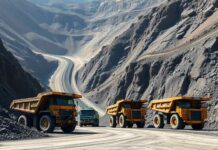
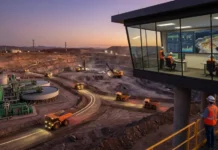
- Semirara Island is located in Antique, which is the primary area that consists of 10 coal blocks. It, at present, comprises almost 94% of the domestic coal production of the country.
- Isabela, which has five coal blocks spread across the municipalities of Benito Soliven and Naguilian, as well as Cauayan.
- Cagayan, which has in it three coal blocks that are spread throughout the municipalities of Amulung and Iguig.
Apparently, the auction launch on February 27, 2026, is indeed going to be marked as day 1 of the bidding program, with interested applicants given a time frame of 60 calendar days in order to submit their application documents.
The deadline pertaining to the submission is 11:00 a.m. on the 60th day, which will then be followed by the opening of applications at 1:00 p.m. on the very same day.
In addition to this, a pre-submission conference is going to take place 20 days after launch in order to address the inquiries from bidders and also clarify requirements.
It is well to be noted that the coal operations remain subject to strong governance and safety as well as environmental standards as part of the energy transition pathway of the country, said DOE, adding that it consistently reviews and enhances the related regulatory frameworks in order to sync with the evolving energy security, along with priorities that are environmental and economic in nature.
These include ensuring mine safety along with the environmental benchmarks; institutionalizing the progressive rehabilitation along with coal mine decommissioning needs; and also making the compliance obligations in terms of geotechnical tracking, slope stability evaluations, occupational health as well as safety protocols, environmental safeguarding, and reporting more robust.
Ever since October 2020, the DOE in the Philippines has maintained a moratorium pertaining to endorsements for greenfield or new coal-fired power projects in order to transition the energy mix towards renewables.
The fact is that it has shifted from being voluntary to mandatory coal retirement planning. Interestingly, all the coal-fired power plants should have a time-bound shifting plan in order to retire or even convert to clean fuel alternatives not after December 31, 2060.
It is worth noting that the recent advisories enable new coal capacity under the umbrella of exceptional circumstances like power shortages that are imminent, off-grid projects, or even own-use facilities so as to process minerals that are important for energy transition.
Notably, DOE of the Philippines is studying socioeconomic effects pertaining to closing all coal mines and plants in order to make sure of a fair transition for affected workers and, along with them, the communities too.