
















The federal government has approved the Crawford Nickel Project, allowing Canada Nickel to move forward with one of the world’s largest proposed nickel sulphide mining developments in northeastern Ontario. The decision marks a significant milestone for the project, which is expected to contribute substantially to Canada’s critical minerals sector while supporting future investment and project development.
The approval was confirmed on 31 July after the Minister of Environment, Climate Change and Nature issued a decision statement under the federal impact assessment process. The government determined that the project’s potential effects within federal jurisdiction are justified when weighed against its anticipated economic and strategic benefits.
Crawford Nickel Project Advances Toward Development
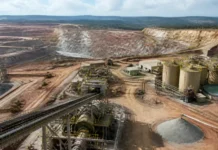
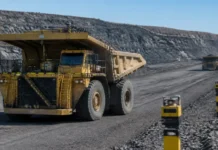
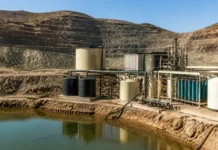
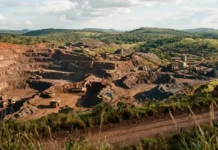
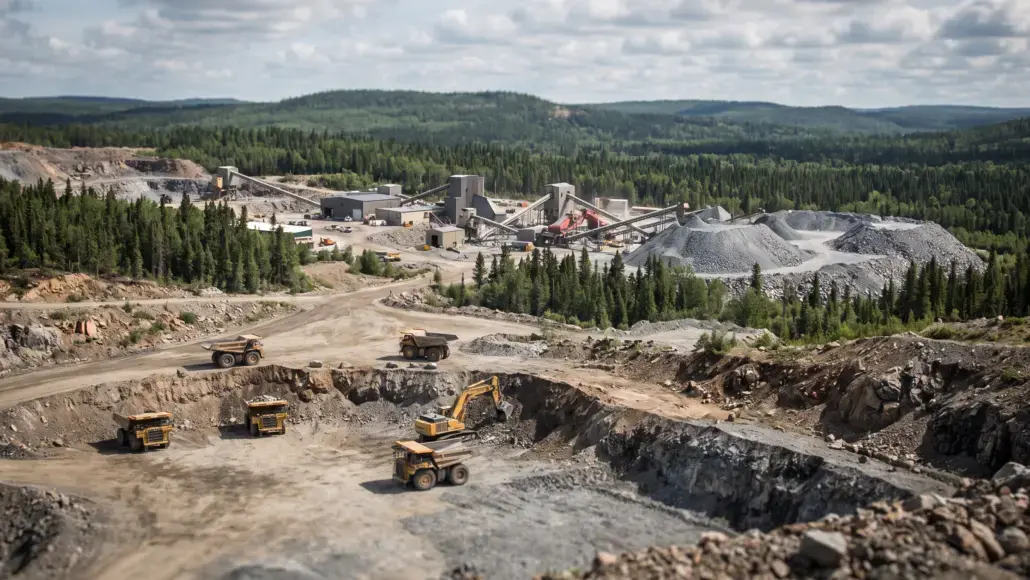
Located in the Timmins Nickel District, approximately 42 kilometres north of Timmins, Ontario, the Crawford Nickel Project is designed as an open-pit nickel-cobalt mine with an on-site metal processing facility.
According to Canada Nickel, the project is expected to become one of the world’s largest nickel sulphide operations. Once operational, it is planned to achieve mine ore production capacity of 240,000 tonnes per day and mill ore processing capacity of 120,000 tonnes per day over an estimated mine life of 41 years.
The federal government estimates the project could contribute up to C$70 billion to Canada’s gross domestic product while attracting approximately C$5 billion in investment. It is also expected to create around 4,000 jobs during its development and operational phases.
The Crawford Nickel Project was among the major developments identified by the federal government for accelerated review as part of broader efforts to advance strategic resource projects.
Crawford Nickel Project Supports Critical Mineral Supply Chains
Canada Nickel said the Crawford Nickel Project will produce nickel sulphide and chromium to support critical supply chains serving defence, aerospace, stainless steel, electric vehicle batteries and advanced manufacturing industries.
The company also stated that the project forms part of its broader objective of establishing a zero-carbon industrial cluster in northeastern Ontario by incorporating proprietary carbon mineralisation technologies alongside downstream processing opportunities.
Canada Nickel has already signed agreements with several First Nations, including a C$20 million equity investment by Taykwa Tagamou Nation, which the company describes as the largest known First Nation investment in a Canadian critical minerals project.
Federal Approval Clears Path for Next Project Phase
The federal government said the project aligns with its objective of advancing major developments that strengthen Canada’s economy while protecting the environment and respecting Indigenous rights.
Although federal approval has now been granted, Canada Nickel must still secure the remaining permits and regulatory authorisations required before construction can begin.
Canada Nickel President and Chief Executive Officer Mark Selby said the decision recognises the importance of responsibly developing Canada’s critical mineral resources in partnership with governments and Indigenous Nations while maintaining environmental standards. He also noted that the company advanced the project from early exploration to federal approval within seven years, a timeline he described as significantly shorter than that of many comparable large-scale mining developments.
The federal approval is expected to support the company’s efforts to secure the remaining financing required for construction, with development costs estimated at more than C$2 billion.