









The mining industry is currently navigating a period of profound transformation, one where the traditional focus on extraction volume is being balanced against the critical need for resource stewardship. At the heart of this shift lies the challenge of water management, a factor that has evolved from a secondary operational concern into a central pillar of corporate strategy and environmental compliance. As global water scarcity intensifies and regulatory pressures mount, the adoption of sophisticated water recycling technologies is no longer a choice but a necessity for maintaining the social license to operate.
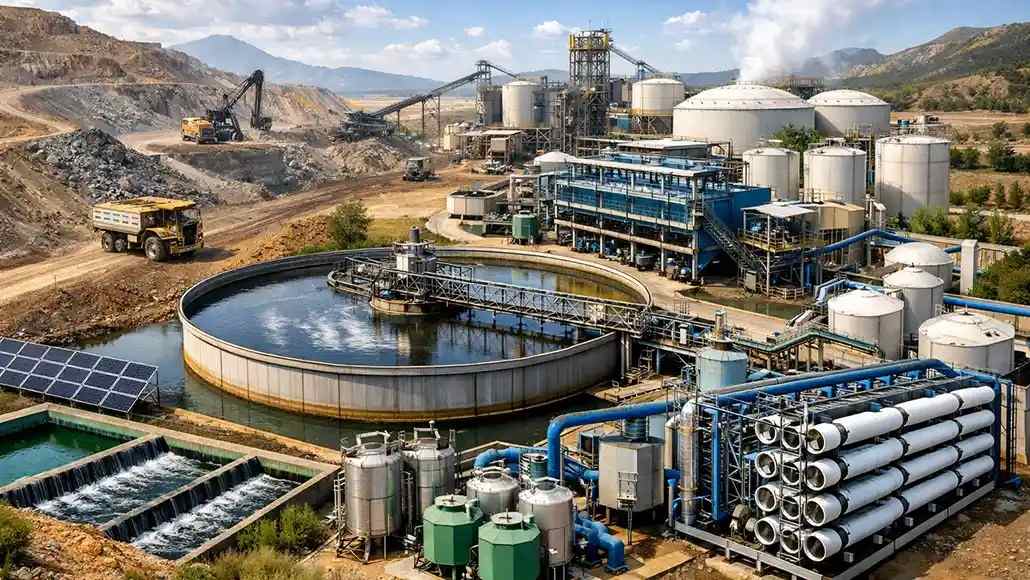
Water recycling technologies are increasingly becoming the benchmark for excellence in the mining industry. These systems do not just clean water but also show us how industrial processes can coexist with fragile ecosystems. By integrating advanced filtration, chemical treatment, and digital monitoring, mining companies are successfully closing the loop on their water usage, significantly reducing their reliance on local freshwater sources and minimizing the environmental footprint of their tailings facilities.
The Strategic Shift Towards Sustainable Water Recovery
The motivation for investing in water recycling is multifaceted, driven by a combination of physical scarcity, rising costs, and the need to meet stringent environmental, social, and governance (ESG) criteria. In many of the world’s most productive mining regions, such as the Atacama Desert in Chile or the arid plains of Western Australia, water is more than just a resource; it is a point of geopolitical and social friction. The United Nations said in a major report on January 20, 2026, that the world had entered a period of Global Water Bankruptcy. Mines that fail to manage their water efficiently risk facing operational shutdowns during droughts or losing the support of local communities who share the same water tables.
From a financial perspective, the cost of acquiring and transporting water to remote mine sites has increased dramatically. When a mine can recycle 80% to 90% of its process water, the return on investment for the treatment infrastructure is realized through reduced procurement costs and lowered risk of production interruptions. Furthermore, the recovery of valuable minerals from process water a practice often referred to as “brine mining” is emerging as a secondary revenue stream, turning a waste management problem into an economic opportunity.
Advancements in Membrane and Filtration Systems
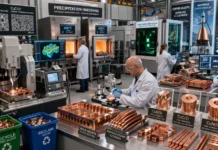
The technical backbone of modern water recycling is found in the evolution of membrane technologies. Ultrafiltration and reverse osmosis (RO) have transitioned from specialized niche applications to standard components of the mining flowsheet. These technologies allow for the removal of microscopic contaminants, including dissolved solids and heavy metals, which were previously difficult to treat at scale. The current generation of RO membranes is designed specifically for the harsh conditions of mining, capable of handling high turbidity and varied pH levels without frequent fouling.
Beyond simple filtration, the industry is seeing the rise of nanofiltration, which selectively removes specific ions. This is particularly useful in operations where certain chemicals need to be recovered for reuse in the leaching process while others are removed to prevent buildup in the system. By fine-tuning the chemical composition of recycled water, metallurgists can ensure that the water quality remains consistent, which is crucial for maintaining the efficiency of flotation circuits and other chemical extraction processes.
Intelligent Monitoring and Predictive Management
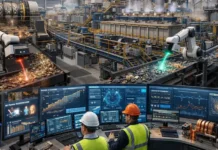
Hardware alone is not sufficient to transform water management; it must be coupled with intelligent data systems. The integration of the Internet of Things (IoT) allows for real-time monitoring of water quality and flow across the entire mine site. Sensors placed in tailing ponds, treatment plants, and distribution networks provide a constant stream of data that can be analyzed using machine learning algorithms. This predictive capability enables operators to identify potential leaks or treatment failures before they escalate into environmental hazards.
Predictive management also extends to water balance modeling. By analyzing historical weather patterns and current operational data, mines can anticipate water shortages and adjust their recycling rates accordingly. This level of foresight is essential for managing the seasonal variability of water availability. In regions prone to heavy rainfall, these systems can also help manage excess water, ensuring that discharge into the environment meets all regulatory standards and does not cause downstream contamination.
Economic Resilience Through Closed-Loop Integration
The implementation of closed-loop systems represents the pinnacle of water recycling in mining. In a truly closed-loop operation, water is continuously circulated between the processing plant and the treatment facility, with only minimal makeup water added to replace what is lost to evaporation or trapped in the final tailings. This approach drastically reduces the volume of wastewater that needs to be stored in tailings dams, which are often the most significant environmental liability for a mining company.
By reducing the volume of liquid waste, closed-loop systems also improve the stability of tailings facilities. De-watering technologies, such as thickeners and filter presses, allow mines to transition to “dry stack” tailings. This method not only recovers more water for recycling but also results in a safer, more stable waste product that is easier to rehabilitate once the mine reaches the end of its life. The synergy between water recovery and waste safety is a powerful argument for the adoption of these technologies.
Cost-Benefit Analysis and Long-Term Viability
While the upfront capital expenditure for advanced water recycling facilities can be substantial, a comprehensive cost-benefit analysis often reveals a compelling long-term case. Beyond the direct savings on water purchase and transport, recycling reduces the energy required for pumping water over long distances. In many cases, the energy saved by recycling water on-site offsets a significant portion of the power consumed by the treatment plants themselves.
Additionally, the regulatory landscape is shifting toward a “polluter pays” model, where the costs associated with water discharge and environmental remediation are rising. Mines that proactively invest in recycling are better positioned to navigate these changes without facing sudden financial shocks. The long-term viability of a mining project is now inextricably linked to its water efficiency, making water recycling a core component of risk management and strategic planning.
Environmental Stewardship and Social License
The relationship between a mine and its surrounding community is often defined by water. In many jurisdictions, the competition for water between industrial, agricultural, and domestic users is intense. By demonstrating a commitment to water recycling, mining companies can alleviate community concerns and prove that they are responsible users of a shared resource. This transparency is vital for maintaining the “social license to operate,” an intangible but essential asset for any successful mining venture.
Environmental compliance is also simplified through high-recycled-water rates. When a mine operates a closed-loop system, the risk of accidental discharge into local waterways is virtually eliminated. This not only protects the local ecosystem but also shields the company from the legal and reputational damage that follows environmental accidents. The move toward zero-discharge operations is a clear trend in the industry, reflecting a broader global commitment to environmental protection and sustainable development.
The Future of Water Independence in Extraction
As we look toward the future, the goal for many mining operations is total water independence. This involves not only water reuse and recycling but also exploring unconventional sources, such as atmospheric water generation or the treatment of municipal wastewater from nearby towns. The convergence of renewable energy and water treatment is another exciting frontier. Solar-powered desalination plants, for example, could provide a sustainable source of fresh water for remote mines, further reducing their carbon footprint.
The next decade will likely see even more integration of biotechnology into water recycling. Engineered microbes are being developed that can “eat” specific contaminants in mining wastewater, providing a low-energy, highly effective alternative to traditional chemical treatments. These biological solutions, combined with continued advancements in membrane technology and digital twin modeling, will ensure that water recycling mining operations continue to lead the way in industrial sustainability.
In conclusion, the transformation of mining through water recycling technologies is a testament to the industry’s resilience and capacity for innovation. By viewing water as a precious, recirculating asset rather than a disposable commodity, mining companies are securing their operational future while contributing to the global effort to conserve our most vital resource. The transition is complex and requires significant investment, but the rewards like economic, environmental, and social betterment are far too great to ignore.