







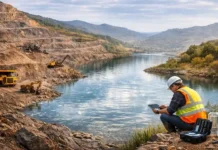
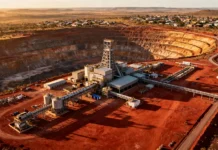
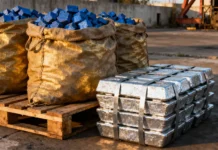
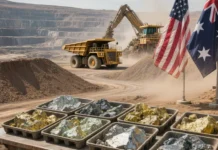

The global imperative to combat climate change has placed the mining industry at the center of a profound economic and environmental paradox. To build the wind turbines, solar panels, and electric vehicles necessary for a low-carbon future, the world requires massive quantities of copper, a metal prized for its unmatched electrical conductivity. However, the extraction of this critical resource has historically been associated with significant environmental and social impacts. This has led to the rise of sustainable copper mining, a movement dedicated to ensuring that the minerals powering the green energy shift are produced with the lowest possible ecological footprint. By integrating renewable energy, advanced water stewardship, and ethical community engagement, the copper industry is transforming itself from a perceived environmental problem into a core solution for global sustainability.
The Decarbonization of Mining Power Infrastructure
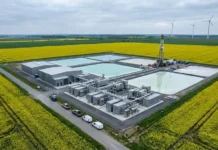
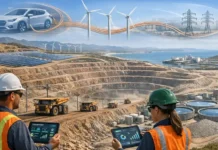
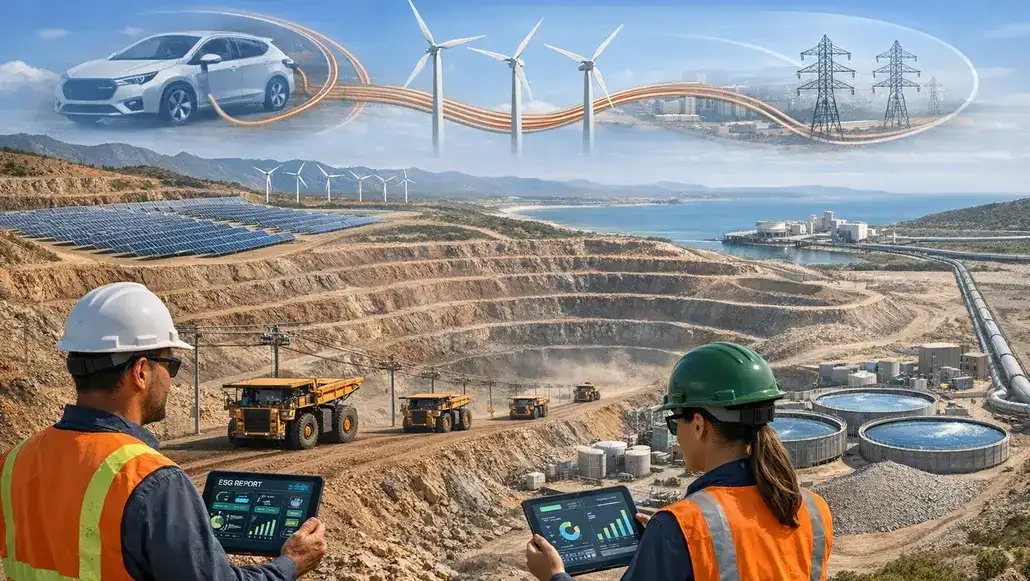
The most significant contributor to the carbon footprint of a copper mine is its energy consumption. Traditional mining operations have long relied on heavy fuel oil or diesel to power their massive processing plants and remote sites. Today, a cornerstone of sustainable copper mining is the shift toward large-scale renewable energy integration. Major mining hubs in Chile, Australia, and the United States are witnessing a surge in the construction of dedicated solar and wind farms. These installations are not merely symbolic; they are often massive enough to provide a majority of the mine’s electricity, drastically reducing its greenhouse gas emissions.
This transition toward green mining is driven by both environmental commitment and economic logic. As the cost of renewable energy continues to fall below that of fossil fuels, mining companies can achieve long-term energy cost stability. Furthermore, the use of large-scale battery storage systems is allowing mines to manage the intermittency of wind and solar power, moving toward a goal of twenty-four-hour carbon-neutral operations. By decoupling their production from the volatility of global oil and gas markets, sustainable copper mining operations are becoming more resilient and predictable, while aligning their values with the decarbonization goals of their downstream customers.
Electrification of the Heavy Haulage Fleet
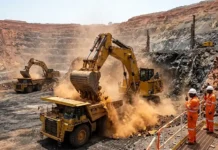
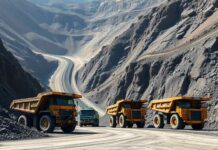
Beyond the power grid, the next frontier for sustainable extraction is the elimination of diesel exhaust from the mine site itself. Haul trucks, which can carry over three hundred tons of ore, are among the world’s largest consumers of diesel fuel. To address this, mining companies are increasingly investing in the electrification of their fleets. This includes the implementation of “trolley assist” systems, where electric-drive trucks connect to overhead power lines while climbing the steep ramps out of the open pit. This technology not only reduces diesel consumption by up to eighty percent during the most energy-intensive part of the cycle but also increases truck speed and engine life.
In underground mining, the move toward battery-electric vehicles (BEVs) is even more transformative. Electric loaders and drills eliminate the need for massive, energy-intensive ventilation systems required to clear toxic diesel fumes from deep tunnels. This results in a cleaner, quieter, and cooler working environment for miners while significantly lowering the overall energy requirements of the site. The push for low-emission mining is therefore as much about operational efficiency and worker health as it is about global carbon reduction. As battery technology improves, the goal is to reach a fully “diesel-free” mine, representing a major milestone in eco mining practices.
Advanced Water Stewardship and Desalination Solutions
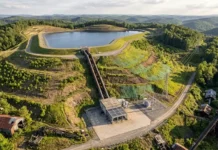
Water is the lifeblood of mineral processing, but many of the world’s premier copper deposits are located in arid or hyper-arid regions. Sustainable copper mining requires a radical rethink of water management to avoid competing with local communities and agriculture for this precious resource. Many large-scale operations in South America have transitioned to using desalinated seawater, piped hundreds of kilometers from the coast to the high-altitude mine sites. While desalination is an energy-intensive process, when powered by the renewable energy sources mentioned earlier, it provides a truly sustainable water supply that does not deplete local aquifers.
Inside the processing plant, the focus is on maximizing water recycling and reuse. Modern “closed-loop” systems allow mines to recycle up to ninety percent of their process water. This is achieved through the use of thickeners and filter presses that remove water from the tailings (the waste material left after copper extraction) before it is sent to storage. The move toward “dry-stacking” of tailings is a critical part of sustainable extraction, as it not only recovers more water but also creates a more stable waste pile that is less prone to the catastrophic failures associated with traditional liquid tailings dams. This holistic approach to water stewardship is a hallmark of responsible, modern mining.
Biodiveristy Conservation and Progressive Land Reclamation
The physical impact of mining on the landscape is perhaps its most visible challenge. Sustainable copper mining involves a proactive approach to biodiversity and land use that spans the entire lifecycle of the mine. This begins with extensive baseline studies to identify sensitive habitats and endangered species before any disturbance occurs. Modern eco mining practices include the establishment of biodiversity offsets, where companies protect or restore areas of equal or greater ecological value than the land impacted by the mine. In some cases, these protected areas serve as vital corridors for wildlife, ensuring that the mine does not become a barrier to regional biodiversity.
Progressive reclamation is another key element of the sustainable mining model. Rather than waiting until the end of a mine’s thirty-year life to begin restoration, companies are now rehabilitating exhausted sections of the site while production continues elsewhere. This might involve re-shaping waste rock dumps to mimic natural landforms, capping them with topsoil, and re-planting native vegetation. This approach ensures that the environment begins to recover as soon as possible and reduces the long-term liability for the company. By the time the mine finally closes, a significant portion of the site has already been restored to a self-sustaining ecosystem, demonstrating the industry’s commitment to leaving a positive legacy.
The Role of ESG and Transparent Supply Chains
The drive for sustainable copper mining is increasingly fueled by the demands of global investors and consumers. Environmental, Social, and Governance (ESG) criteria are now a primary lens through which mining companies are evaluated. This has led to the adoption of rigorous international standards, such as the “Copper Mark,” which provides a framework for verifying that copper is produced responsibly. To achieve this certification, mines must demonstrate excellence in over thirty areas, including greenhouse gas emissions, water management, labor rights, and community engagement.
Transparency is also being enhanced through the use of digital technologies. Blockchain is being deployed to track copper from the individual mine site all the way to the end manufacturer. This “mine-to-metal” traceability allows an electric vehicle buyer to know exactly where the copper in their car came from and to be certain it was produced under high sustainability standards. This level of accountability is essential for building trust in the mining industry and for ensuring that the green energy shift is not undermined by unethical or environmentally damaging practices. Sustainable copper mining is therefore not just a technical challenge; it is a fundamental repositioning of the industry in the global social and economic fabric.
Community Partnerships and Shared Value Creation
The “social license to operate” is the most critical asset for any modern mining company. Sustainable copper mining requires moving beyond simple philanthropy toward deep, long-term partnerships with local and indigenous communities. This involves creating “shared value,” where the presence of the mine leads to meaningful economic development that lasts long after the minerals are gone. This might include investing in local education and vocational training to ensure that community members can fill high-skilled roles within the mine, or supporting the development of local businesses that can supply goods and services to the operation.
Furthermore, responsible companies engage in transparent and inclusive decision-making processes, particularly with indigenous groups who have ancestral ties to the land. This includes respecting the principle of Free, Prior, and Informed Consent (FPIC) and ensuring that the benefits of mining such as infrastructure improvements and tax revenues are distributed fairly. When communities feel they are genuine partners in the project rather than just bystanders, the risks of conflict and disruption are greatly reduced. This social dimension is an inseparable part of copper sustainability, proving that the industry can be a force for positive social change in the regions where it operates.
The Future of the Green Miner
As the world’s appetite for energy transition metals grows, the pressure on the copper industry to perform sustainably will only intensify. The future of the “green miner” lies in the continuous integration of cutting-edge technology with an unwavering commitment to environmental and social ethics. We are moving toward a future where the distinction between a “mining company” and a “sustainable energy and resource company” begins to blur. The most successful firms will be those that can master the complexities of low-emission mining and resource-efficient extraction while maintaining the trust of a global public that is increasingly sensitive to the origins of the materials it uses.
The transition to sustainable copper mining is a journey without a final destination, as new challenges and technologies will always emerge. However, the progress made in recent years is undeniable. By proving that it can produce the materials for a green future in a way that respects the planet and its people, the copper industry is securing its own future in a rapidly changing world. The metal that has served humanity since the dawn of civilization is once again leading the way into a new, more sustainable era.