







The global industrial landscape is currently undergoing a fundamental shift as the traditional linear economic model based on the extraction, use, and eventual disposal of resources is being replaced by the principles of the circular economy. At the center of this transformation is copper, a metal that possesses the extraordinary ability to be recycled indefinitely without any loss of its physical or chemical properties. This unique characteristic makes copper recycling not just an environmental preference but a strategic necessity for a world increasingly hungry for electrical conductivity and renewable energy infrastructure. By expanding the role of secondary production, the mining industry is evolving into a more sustainable and resilient sector, proving that the minerals of the past can indeed power the future through a continuous loop of resource recovery.
The Economic and Environmental Rationale for Secondary Production
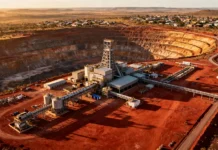
The primary extraction of copper from the earth is an energy-intensive and geographically concentrated endeavor. In contrast, copper recycling represents an “urban mine” that is distributed throughout our cities, infrastructure, and electronic devices. The energy required to produce copper from recycled scrap is up to 85% lower than the energy needed for primary mining and smelting. This massive reduction in energy intensity translates directly into a significant decrease in greenhouse gas emissions, making metal recycling a critical tool for the global decarbonization of the industrial sector. Every ton of copper recycled is a ton of primary mineral that can remain in the ground, preserving the world’s finite natural resources for future generations.
Furthermore, the expansion of copper recycling helps to mitigate the significant environmental challenges associated with primary mining, such as the management of vast tailings dams and the impact on local biodiversity. By diverting copper scrap from landfills and back into the production cycle, the industry is also addressing the growing problem of electronic waste (e-waste). As primary copper prices remain high due to increasing demand from the green energy sector, the economic incentive for resource recovery has never been stronger. For mining companies, diversifying into secondary production provides a hedge against the volatility of primary extraction and aligns their business models with the growing global emphasis on sustainability and the circular economy.
The Complexity and Dynamics of the Scrap Copper Market
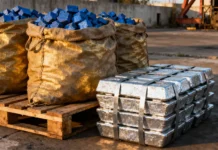
The global market for scrap copper is a highly sophisticated and multi-layered ecosystem. Scrap is generally divided into two main categories: “new” or “prompt” scrap, which is the clean waste generated during the manufacturing and fabrication process, and “old” or “end-of-life” scrap, which comes from products that have completed their useful life, such as old plumbing, electrical wiring, and discarded electronics. While new scrap is easily re-incorporated into production due to its high purity, old scrap presents a much greater challenge for the recycling industry.
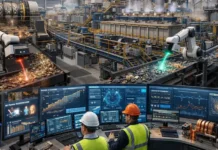
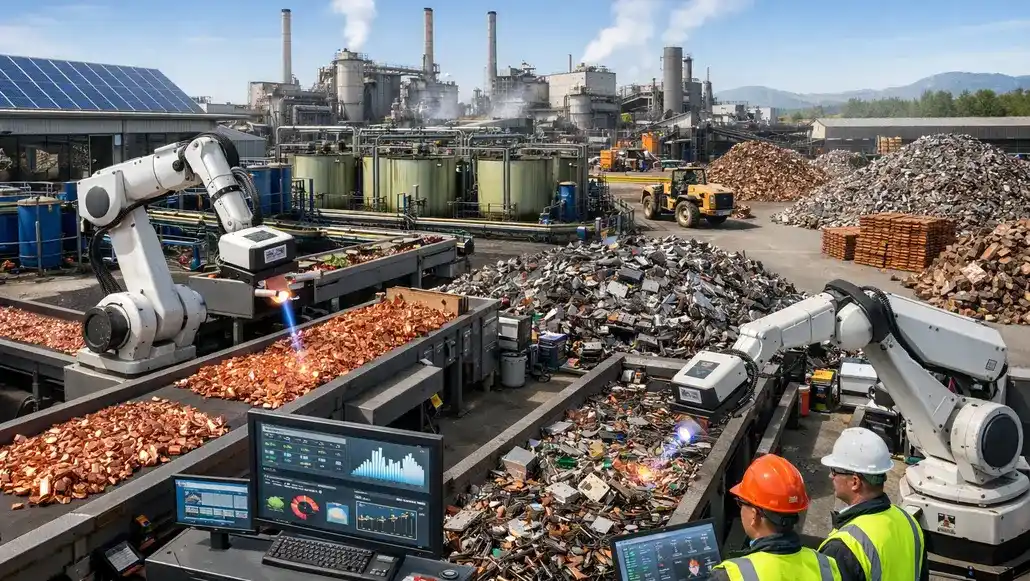
To maximize the efficiency of copper recycling, the industry has developed advanced collection and sorting networks. Scrap is collected by a vast array of players, from individual local collectors to multinational waste management firms. Once collected, it must be carefully sorted and graded according to its copper content and the presence of other materials. This sorting process is critical because the presence of even small amounts of impurities can affect the conductivity and quality of the final recycled product. The development of high-speed, automated sorting technologies using everything from laser-induced breakdown spectroscopy (LIBS) to advanced eddy current separators is a key driver of the industry’s ability to handle increasingly complex streams of scrap copper.
Technological Innovations in Resource Recovery and Refining
The transition to a fully circular economy mining model is being powered by a wave of technological innovation in the field of metallurgy. One of the most significant breakthroughs is the development of advanced hydrometallurgical processes for the recovery of copper from complex electronic waste. Unlike traditional smelting, which can be energy-intensive and requires high volumes, hydrometallurgy uses aqueous chemical solutions to selectively dissolve the copper and other valuable metals from the crushed components. This “green” approach to metal recycling is particularly effective for treating low-grade e-waste and can be scaled to serve local urban areas, reducing the need for long-distance transport of heavy scrap.
Furthermore, the integration of digital technologies and artificial intelligence is improving the transparency and efficiency of the resource recovery chain. AI-powered sorting robots can now identify and separate various types of copper alloys with a precision that far exceeds human capabilities. This allows for the production of “specialty” recycled alloys that can go directly back into high-performance industrial applications. In the refinery, real-time sensor data and machine learning are being used to optimize the smelting of scrap, ensuring that the highest possible purity is achieved with the lowest possible energy input. These innovations are transforming copper recycling from a simple waste-management activity into a high-tech industrial process that is essential for the future of sustainable metals.
The Role of Policy and Extended Producer Responsibility (EPR)
The success of the circular economy for metals is not solely a matter of technology and economics; it is also heavily dependent on the global policy and regulatory framework. Governments around the world are increasingly implementing “Extended Producer Responsibility” (EPR) schemes, which require manufacturers to be responsible for the entire lifecycle of their products, including the cost and logistics of collection and recycling at the end of their life. This “polluter pays” principle encourages companies to design their products for circularity making them easier to disassemble and ensuring that the copper components can be easily recovered.
For example, in the automotive and electronics industries, there is a growing move toward “design for disassembly,” where mechanical fasteners are used instead of adhesives, and complex material blends are avoided. Policy is also driving the development of mandatory recycling targets and recycled content requirements for new products. These regulations create a stable and predictable demand for recycled copper, incentivizing investment in new recycling infrastructure. However, for these policies to be truly effective, there must be greater international cooperation to standardize the definitions and regulations for scrap metal trade, ensuring that copper recycling is conducted safely and ethically on a global scale.
Overcoming the Challenges of the Circular Metals Loop
Despite the clear and compelling benefits, achieving a fully closed-loop system for copper is a complex challenge. One of the primary hurdles is the “time lag” inherent in the use of copper. Because copper is incredibly durable and is used in long-life applications such as building infrastructure, electrical grids, and industrial machinery, the metal that is put into use today may not be available for recycling for thirty, forty, or even fifty years. This means that even with a 100% recycling rate, primary mining will still be necessary for several decades to meet the growing global demand for new infrastructure and renewable energy systems.
Another significant challenge is the increasing complexity of modern products, particularly in the field of electronics and green technology. A smartphone or an electric vehicle motor contains tiny amounts of copper integrated with a wide variety of other metals, plastics, and ceramics. Separating these materials in a way that is economically viable and environmentally sound requires a constant cycle of innovation in resource recovery techniques. Furthermore, the global nature of the scrap copper market means that material is often traded across borders, which can lead to logistical bottlenecks and regulatory complexities. Addressing these challenges requires a collaborative effort between miners, manufacturers, recyclers, and policymakers to create a truly integrated and efficient global circular economy.
The Future Synergy Between Primary Mining and Recycling
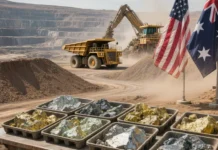
As the industry moves forward, the traditional distinction between “primary” mining companies and “secondary” recycling companies is beginning to blur. Many of the world’s largest copper producers are now investing heavily in their own recycling facilities or forming strategic partnerships with waste management firms. This “hybrid” approach allows companies to offer a more sustainable and diversified product range to their customers, who are increasingly demanding metals with a verified low-carbon footprint. By combining primary extraction with copper recycling, the industry can better manage the total lifecycle of the metal and ensure a more stable supply.
This synergy is also leading to the development of “multi-metal” refineries that can process both primary concentrates and complex scrap streams. These facilities are the heart of the circular economy mining model, as they have the metallurgical capability to recover a wide range of valuable metals not just copper, but also gold, silver, and platinum-group metals from various sources. This integrated approach maximizes the value of every ton of material processed and minimizes the overall environmental impact. Ultimately, the future of the copper industry lies in being a “resource provider” rather than just a miner, ensuring that the metal remains in use for as long as possible through a continuous and efficient cycle of reuse and recycling.
The Global Impact of Sustainable Metals and Copper Reuse
The expansion of copper recycling has profound implications for global resource security and economic stability. By reducing the dependence on primary mining in a few geographically concentrated areas, recycling allows countries to build their own strategic “internal mines” of copper. This is particularly important for nations that are leading the green energy transition but lack their own primary copper deposits. Copper reuse is therefore not just an environmental goal; it is a key component of national industrial strategies and energy security.
In the eyes of the consumer, the knowledge that the copper in their electric car or their home solar system was sourced sustainably through a circular system is becoming a powerful value proposition. The use of blockchain and other traceability tools is making it possible to verify the recycled content of products, providing the transparency that the modern market demands. As the global community works toward a more sustainable and equitable future, the principles of the circular economy embodied so perfectly by the infinite recyclability of copper will be the foundation upon which our new industrial world is built. The story of copper is no longer just about extraction; it is about the eternal life of a metal that continues to serve humanity across generations.