









In the grand narrative of industrial development and global economic shifts, copper has long been considered the quintessential indicator of health. Its nickname, “Dr. Copper,” stems from its uncanny ability to forecast economic trends due to its pervasive use across virtually all sectors of the economy. Today, however, the metal is entering a phase of demand that goes far beyond cyclical economic fluctuations. We are witnessing a structural surge in copper demand growth, propelled by the most significant overhaul of global infrastructure since the end of the Second World War. As nations simultaneously race to modernize their power grids, urbanize their growing populations, and transition to renewable energy, copper has become an indispensable strategic asset. This transition is not merely a short-term spike but a long-term re-rating of the metal’s importance in a world defined by electrification and digital connectivity.
Modernizing the Global Electrical Grid for Decarbonization
The most powerful driver of copper demand in the coming decades is the urgent need to modernize and expand the world’s electrical grids. To meet the goals of the Paris Agreement, the global energy system must undergo a radical transformation, moving from centralized fossil-fuel power plants to decentralized renewable energy sources. This shift is incredibly copper-intensive. Solar and wind farms are often located in remote areas, far from the urban centers where the electricity is consumed, requiring thousands of miles of new high-voltage transmission lines to bridge the gap. Copper, with its superior electrical conductivity and durability, is the primary material used in these cables, transformers, and switchgear.
Furthermore, the “electrification of everything” from domestic heating with heat pumps to industrial manufacturing processes means that existing urban distribution networks must be significantly reinforced. In many developed nations, the electrical grid was designed for the needs of the mid-twentieth century and is ill-equipped to handle the bidirectional power flows and high loads of the twenty-first. This modernization effort is a multi-trillion-dollar undertaking that will require a steady and increasing supply of industrial metals. As governments commit to “Net Zero” targets, the investment in grid infrastructure is becoming a permanent feature of national budgets, ensuring that copper demand growth remains robust regardless of short-term economic headwinds.
The Role of Urbanization and Smart City Infrastructure
Parallel to the energy transition is the continued and rapid urbanization of the global population, particularly in Asia and Africa. Each year, millions of people move into cities, creating an insatiable need for new housing, commercial buildings, and public transportation. Copper is a fundamental component of modern construction, used extensively in electrical wiring, plumbing, and architectural elements. In the developing world, the expansion of the middle class is also driving demand for consumer appliances refrigerators, air conditioners, and washing machines all of which are copper-heavy.
The concept of the “smart city” is further intensifying this demand. Smart cities rely on a dense and pervasive network of sensors, 5G telecommunications, and high-speed data centers to manage everything from traffic flow to energy consumption. This digital infrastructure requires a massive build-out of fiber-optic networks (which require copper for power) and small-cell towers. Every server in a data center is connected by copper wiring and relies on copper-based heat sinks for thermal management. As we move toward a more connected and data-driven urban environment, the copper intensity of our cities is set to increase, making copper demand a critical factor in the success of global urbanization strategies.
The Electric Vehicle Revolution and Charging Networks
The transportation sector is undergoing its most significant change in over a century, and this shift is perhaps the most visible driver of the current copper market trends. Electric vehicles (EVs) require significantly more copper than traditional internal combustion engine (ICE) vehicles up to four times as much in some cases. Copper is used in the lithium-ion battery cells, the electric motor windings, and the kilometers of internal wiring required to manage the vehicle’s sophisticated electronics. As major automakers commit to phasing out ICE vehicles over the next decade, the demand for “electrification metals” like copper is projected to skyrocket.
However, the impact of EVs on copper demand growth extends far beyond the vehicles themselves. The infrastructure required to support a global fleet of millions of electric cars is equally copper-intensive. This includes the installation of millions of public and private charging stations, each of which requires significant amounts of copper for wiring and power electronics. Furthermore, the local distribution grids must often be upgraded to handle the high power draws of rapid charging networks. This synergy between vehicle production and infrastructure development creates a compounding effect on copper demand, placing it at the very heart of the global effort to decarbonize transport.
Analyzing Copper Market Trends and Supply Constraints
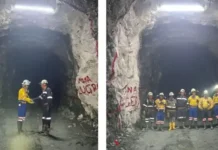
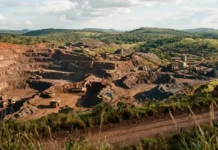
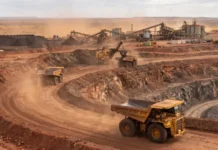
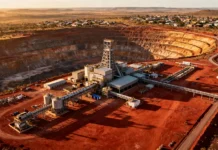
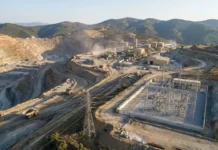
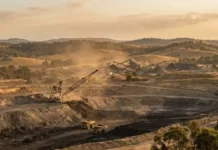
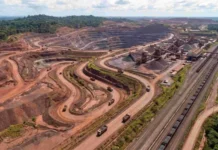
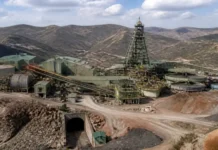
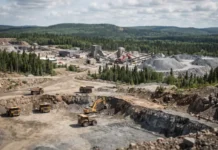
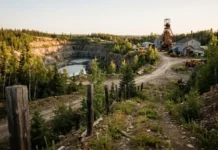
While the outlook for copper demand growth is exceptionally strong, the ability of the global mining industry to meet this demand is far from certain. This potential supply-demand gap is one of the most critical copper market trends that investors and policymakers are currently analyzing. Many of the world’s largest and most productive copper mines are aging, with declining ore grades and increasing depths making extraction more difficult and expensive. Furthermore, the discovery of significant new “greenfield” copper deposits has slowed in recent years, and the time required to bring a new mine from discovery to production can now exceed fifteen years due to complex permitting and environmental regulations.
This looming supply crunch is exacerbated by the geographic concentration of copper production. A significant portion of the world’s primary copper comes from a handful of countries, such as Chile and Peru, which have recently faced political uncertainty and labor disputes. This creates a level of supply risk that can lead to high price volatility. To mitigate this, many developed nations are now classifying copper as a “critical mineral” and are seeking to diversify their supply chains through increased domestic mining, better recycling, and strategic partnerships with friendly nations. This “geopolitics of copper” is becoming a defining feature of the global mining demand landscape.
Industrial Metals and the Strategic Importance of Copper
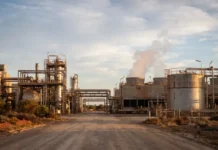
The recognition of copper’s strategic importance is leading to a fundamental shift in how the metal is traded and valued. No longer just a commodity to be bought and sold at the lowest price, copper is increasingly viewed as a vital component of national security and economic resilience. Governments are incentivizing the development of local copper processing and refining capacity to reduce dependence on foreign suppliers. This “near-shoring” of the copper value chain is a major trend in the industrial metals sector, as companies and countries prioritize security of supply over short-term cost savings.
In the investment world, copper is increasingly being seen as a “thematic” play on the green energy transition and infrastructure growth. Capital is flowing into mining companies that can demonstrate high ESG standards and a robust pipeline of future production. This influx of investment is necessary to fund the massive capital expenditures required to develop the next generation of copper mines. However, the industry must also contend with the rising costs of labor, energy, and equipment, which are putting pressure on margins even as prices remain high. Understanding these complex copper market trends is essential for any stakeholder in the global infrastructure and energy sectors.
The Role of Technology in Meeting Global Mining Demand
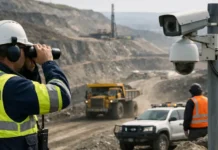
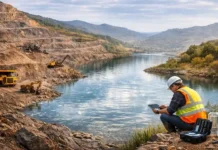
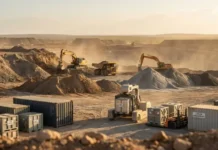
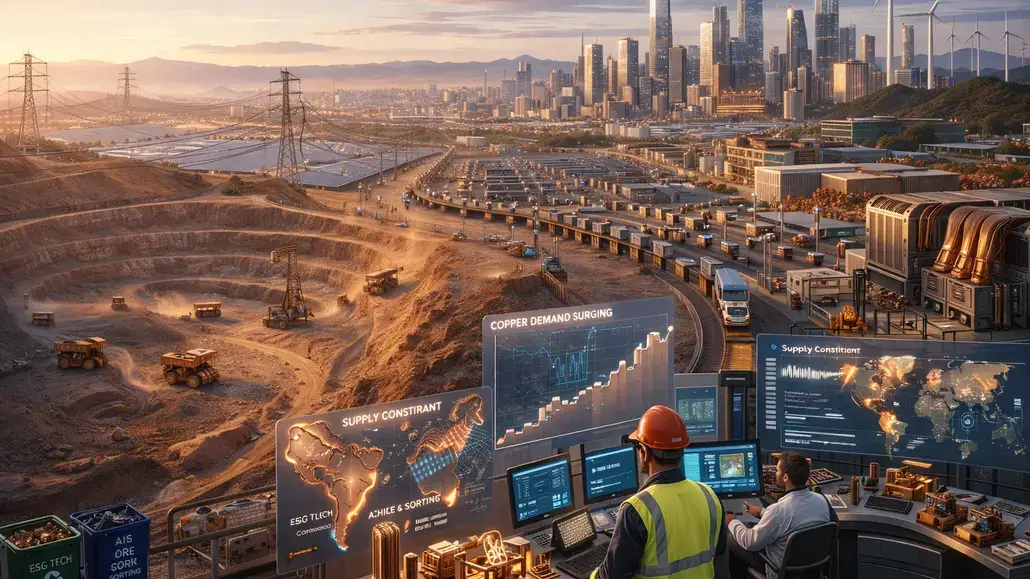
As the industry faces the challenge of meeting unprecedented demand from a constrained supply base, technology is playing a crucial role in closing the gap. Advanced exploration techniques, such as machine learning-driven geological modeling and satellite-based hyperspectral imaging, are helping to find new deposits in previously overlooked areas. In existing mines, digital technologies are being used to optimize every stage of the production process, allowing companies to extract more copper from lower-grade ores. This includes the use of autonomous haulage, real-time process control, and sophisticated sensor-based ore sorting.
These technological advancements are not only improving productivity but are also essential for making mining more sustainable a key requirement for maintaining the industry’s social license to operate. By reducing the energy and water intensity of copper production, technology is helping the industry to meet the high ESG standards that investors and consumers now demand. The future of copper mining demand will therefore be defined by a race between the increasing difficulty of extraction and the rapid evolution of mining and processing technology. Those companies that can successfully navigate this technological frontier will be the ones that thrive in the coming decades of copper-driven growth.
Future Outlook for Copper in a Decarbonized World
Looking ahead, the role of copper in the global economy is only set to expand. As we move toward a more electrified and decarbonized world, the metal will be at the core of virtually every major technological trend, from renewable energy and electric transport to the Internet of Things and artificial intelligence. The growth in copper demand is not a transient phenomenon but a permanent structural shift reflecting the fundamental material needs of a modern, sustainable society.
However, to ensure a stable and sustainable supply of this critical metal, the industry must continue to innovate and collaborate. This includes a greater emphasis on the circular economy and copper recycling, as primary mining alone may not be able to meet the long-term needs of the planet. By treating copper as a permanent and valuable resource, we can build a more resilient and efficient global infrastructure that serves the needs of all people while protecting the environment. The story of copper demand growth is ultimately the story of our collective ambition to build a better, cleaner, and more connected world.