














The lifecycle of a mine is a journey that extends far beyond the final extraction of ore. As the industry matures, the focus has shifted significantly toward the legacy left behind, particularly regarding the preservation and restoration of local hydrological systems. Effective mine closure planning and water management are the cornerstones of responsible mining, representing a commitment to returning the land to a stable, productive state. It also safeguards the water resources that sustain surrounding ecosystems and communities. This process is complex, requiring a foresight that begins long before the first shovel hits the ground and continues for decades after the gates are locked.
Successful closure planning is no longer an afterthought but a fundamental component of the initial feasibility study. Modern mining companies understand that the social license to operate is intrinsically tied to their ability to demonstrate a viable, sustainable exit strategy. This involves a deep understanding of the local watershed, the geochemical properties of the waste rock, and the long-term climatic trends that will influence the site’s hydrology for a century or more. By prioritizing water at every stage, operators can mitigate the most significant environmental risks and avoid the astronomical costs associated with perpetual water treatment.
The Geochemical Foundation of Post-Mining Stability
At the heart of any closure strategy is the management of Acid Mine Drainage (AMD) and metal leaching. When sulfide minerals in waste rock are exposed to air and water, they can produce sulfuric acid, which in turn leaches heavy metals into the surrounding environment. This phenomenon is one of the most persistent challenges in mine closure planning. Preventing AMD requires a sophisticated approach to waste characterization and placement. By identifying potentially acid-generating materials early, engineers can design encapsulation systems that utilize oxygen-limiting covers, such as engineered soil layers or synthetic liners, to inhibit the chemical reactions before they begin.
The choice of cover systems is a critical decision that must account for local precipitation patterns and evaporation rates. In arid environments, store-and-release covers use specific vegetation and soil types to capture moisture during wet periods and release it through evapotranspiration during the dry season, preventing deep infiltration into the waste material. Conversely, in high-rainfall areas, shed-and-collect systems might be more appropriate. These decisions are not merely technical. They are the result of rigorous modeling and a commitment to understanding the unique environmental context of each mine site.
Passive Treatment Systems and Long-Term Remediation
As a mine moves into the post-operational phase, the transition from active, energy-intensive water treatment to passive, self-sustaining systems is a primary goal. Passive treatment technologies, such as constructed wetlands and anaerobic biochemical reactors, utilize natural biological and chemical processes to remove contaminants from seepage and runoff. These systems are designed to operate with minimal human intervention, making them ideal for remote sites where maintaining a permanent workforce is impractical. By leveraging the power of sulfate-reducing bacteria and specialized plant species, these wetlands can effectively sequester metals and neutralize acidity over long durations.
However, the design of passive systems requires a high degree of precision. The flow rates, residence times, and nutrient levels must be carefully balanced to ensure consistent performance under varying seasonal conditions. Furthermore, the long-term maintenance of these systems must be accounted for in the closure fund. While they are “passive,” they still require periodic monitoring and occasional sediment removal to remain effective. The goal is to create a biological buffer that protects the downstream environment without creating a new maintenance liability for future land managers.
Integrating Pit Lakes into the Hydrological Landscape
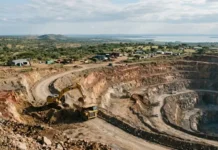
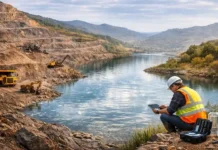
In many open-pit operations, the eventual cessation of pumping leads to the formation of a pit lake. These massive bodies of water can become either a significant environmental asset or a perpetual source of contamination, depending on how they are managed. Predicting the water quality within a future pit lake is a major focus of mine closure planning. Scientists use complex 3D hydrodynamic and geochemical models to simulate the lake’s development, accounting for groundwater inflow, direct precipitation, and the interaction between the water and the exposed pit walls.
If a pit lake is predicted to become acidic or high in metals, several management strategies can be employed. These might include backfilling the pit with benign waste rock to reduce the water volume, or ‘liming’ the water column to maintain a neutral pH. In some cases, the creation of a meromictic lake where a dense, contaminated layer of water is permanently trapped at the bottom by a layer of fresh water on top is a viable solution. The ultimate objective is to ensure that the lake eventually reaches a chemical equilibrium to support local biodiversity and community as a recreational or industrial resource.
Regulatory Compliance and the Evolution of Liability
The regulatory framework surrounding mine closure has become increasingly stringent, with a focus on financial assurance and long-term accountability. Governments now require mining companies to post substantial bonds or bank guarantees that cover the full cost of closure and post-closure monitoring. This financial pressure has been a significant driver of innovation in mine closure planning, as companies seek more cost-effective and permanent solutions to reduce their long-term liability. Compliance is not just about meeting a set of water quality standards; it is about proving that the site will remain compliant for generations to come.
This transition from short-term operational compliance to long-term “walk-away” status is the ultimate test of a closure plan. It requires a transparent dialogue with regulators and stakeholders, sharing the data from monitoring wells and chemical analyses to build trust. The documentation of the closure process must be meticulous, providing a clear record of how the site was stabilized and how the water management systems were implemented. This record is essential for the eventual relinquishment of the mining lease, allowing the land to be legally transferred back to the state or a third party without lingering environmental risks.
The Role of Community Consultation in Water Stewardship
Water is a communal resource, and the way it is managed during and after mining has a profound impact on local residents and indigenous groups. Meaningful consultation is an essential component of the closure process. Local communities often have deep knowledge of the local hydrology and traditional land uses that can inform the design of the post-mining landscape. By involving stakeholders in the decision-making process, mining companies can ensure that the closure objectives align with the community’s vision for the future of the region.
This collaborative approach often leads to better environmental outcomes. For example, a community might prefer the restoration of a specific wetland habitat over the creation of a recreational lake. By tailoring the mine closure planning strategy to these preferences, the mining company not only fulfills its ESG commitments but also secures the enduring support of its neighbors. The goal is to leave a legacy of responsible stewardship where the water quality is as good as, or better than, it was before mining activities began.
Future-Proofing Through Climate Resilience Modeling
As global climate patterns shift, the assumptions used in historical closure plans may no longer hold true. Future closure strategies must account for increased variability in precipitation, with more frequent and intense storms as well as prolonged periods of drought. Climate resilience is now a core part of mine closure planning. This involves stress-testing the closure designs against various climate scenarios to ensure that spillways, covers, and treatment systems can withstand extreme events without failing.
The use of digital twins allows engineers to run thousands of simulations, identifying potential weak points in the closure plan before they are built. This data-driven approach ensures that the engineered structures are robust enough to manage the water volumes of the future. By planning for the unexpected, the mining industry can ensure that its closed sites do not become environmental hazards during future climate catastrophes, thereby protecting the integrity of the surrounding watershed and the reputation of the industry.
In conclusion, the management of water during the closure of a mine is a profound responsibility that requires a blend of advanced engineering, geochemical science, and genuine social engagement. It is a process of reconciling the temporary nature of resource extraction with the permanent requirements of environmental health. Through the diligent application of mine closure planning strategies, the industry can transform a period of disruption into a legacy of restoration, ensuring that the water that flows through our landscapes today continues to sustain life long after the mining era has passed.